

GIVE THE PERFECT GIFT
Erin Mills Town Centre Gift Cards are the perfect choice for your gift giving needs.Purchase gift cards at kiosks near the food court or centre court, at Guest Services, or click below to purchase online.PURCHASE HEREHome
Maimonides and Jewish Theocracy: The Human Hand of Divine Rule
Indigo
Loading Inventory...
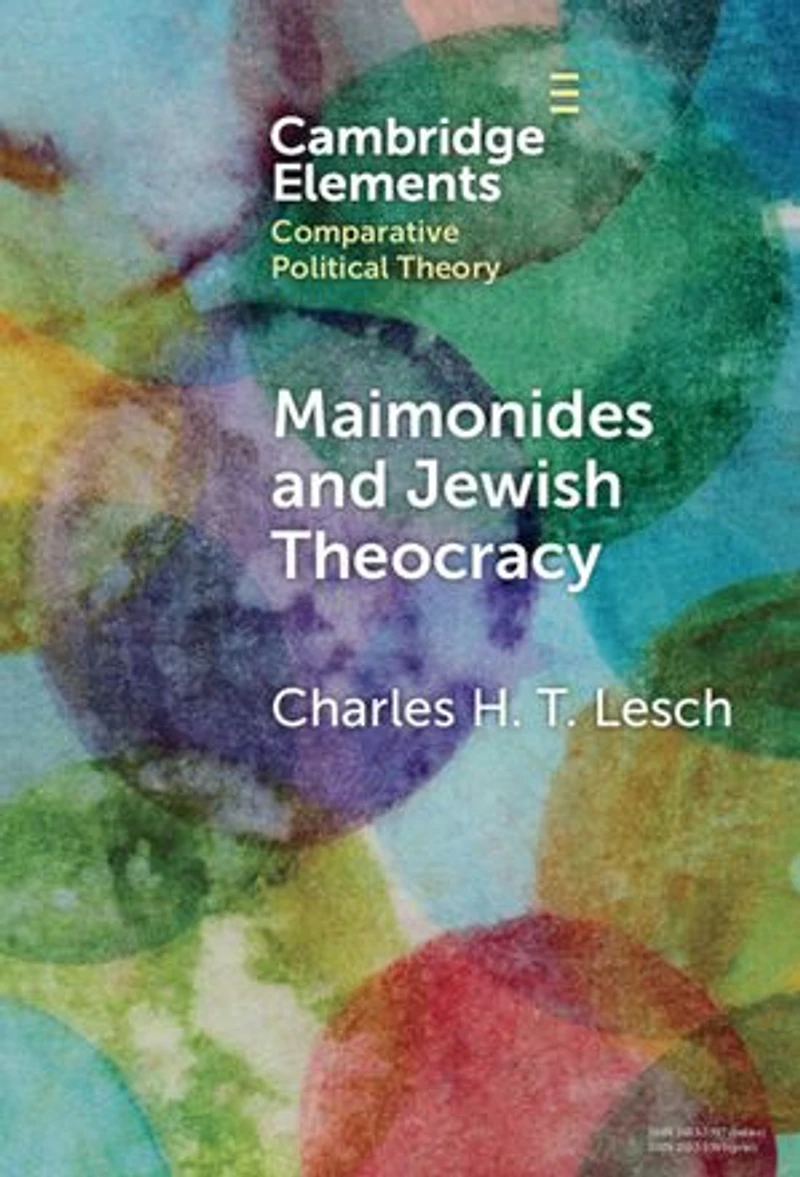
Maimonides and Jewish Theocracy: The Human Hand of Divine Rule
Current price: $23.19
Original price: $28.95

Maimonides and Jewish Theocracy: The Human Hand of Divine Rule
Current price: $23.19
Original price: $28.95
Loading Inventory...
Size: Kobo eBook
*Product information may vary - to confirm product availability, pricing, shipping and return information please contact Indigo
Theocratic movements are on the rise. But what does it actually mean for God to rule? This Element offers one answer by recovering the theocratic project of medieval Judaism's most important thinker, Moses Maimonides. Theocracy is often thought to quash human agency, evoking an overpowering deity and clerical domination. Yet by reconsidering Maimonides' debt to the Islamic philosopher al-Fārābī, and challenging Leo Strauss' influential reading, the author argues that among Maimonides' aims was to elevate humanity's role in divine rule. In its highest form reason is identical with revelation, action with providence. God's governance is delegated: theocracy requires human agency-the imitation of God. Maimonides focuses on philosophical-religious leaders. But he also broadens imitatio dei to anyone whose knowledge of God inspires love of God: By emulating God's goodness, we can become agents of divine rule. In this way, Maimonides' ideas suggest ways by which theocracy and democracy might, counter-intuitively, be reconciled.
Theocratic movements are on the rise. But what does it actually mean for God to rule? This Element offers one answer by recovering the theocratic project of medieval Judaism's most important thinker, Moses Maimonides. Theocracy is often thought to quash human agency, evoking an overpowering deity and clerical domination. Yet by reconsidering Maimonides' debt to the Islamic philosopher al-Fārābī, and challenging Leo Strauss' influential reading, the author argues that among Maimonides' aims was to elevate humanity's role in divine rule. In its highest form reason is identical with revelation, action with providence. God's governance is delegated: theocracy requires human agency-the imitation of God. Maimonides focuses on philosophical-religious leaders. But he also broadens imitatio dei to anyone whose knowledge of God inspires love of God: By emulating God's goodness, we can become agents of divine rule. In this way, Maimonides' ideas suggest ways by which theocracy and democracy might, counter-intuitively, be reconciled.
You May Also Like









More About Indigo at Erin Mills Town Centre
The largest book retailer in Canada also offers toys, music, home décor, gifts and lifestyle products. What's Inside...Books, Magazines, CD’s and DVD’s, Toys and Gifts, Home Accents, Electronics, Baby’s and Children’s Section, Bath and Body, Kitchen and Bedroom, Stationary Located outside in the exterior plaza.
5015 Glen Erin Dr, Mississauga, ON L5M 0R7, Canada
Find Indigo at Erin Mills Town Centre in Mississauga ON
Visit Indigo at Erin Mills Town Centre in Mississauga ON