

GIVE THE PERFECT GIFT
Erin Mills Town Centre Gift Cards are the perfect choice for your gift giving needs.Purchase gift cards at kiosks near the food court or centre court, at Guest Services, or click below to purchase online.PURCHASE HEREHome
Mainstreaming versus Alienation: A Complexity Approach to the Governance of Migration and Diversity
Indigo
Loading Inventory...
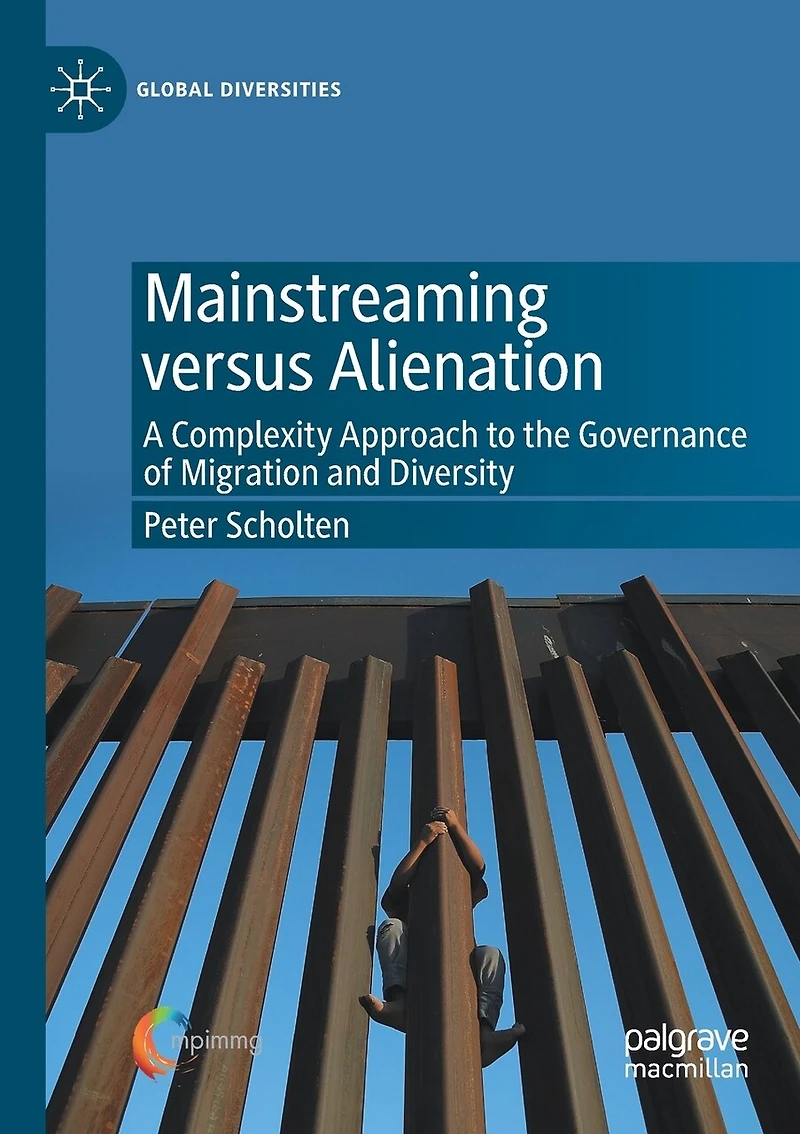
Mainstreaming versus Alienation: A Complexity Approach to the Governance of Migration and Diversity
Current price: $80.50

Mainstreaming versus Alienation: A Complexity Approach to the Governance of Migration and Diversity
Current price: $80.50
Loading Inventory...
Size: Paperback
*Product information may vary - to confirm product availability, pricing, shipping and return information please contact Indigo
This book explores the role of complexity in the governance of migration and diversity. Current policy processes often fail to adequately capture complexity, favouring 'quick fix' approaches to regulation and integration that result in various forms of alienation: problem alienation, institutional alienation, political alienation and social alienation. Scholten draws on literature from gender and environmental governance to develop 'mainstreaming', an approach that reframes migration as a contingent and emergent process made up of complex actor networks, rather than a one-size-fits-all policy model. By ensuring actors understand and respond to complexity, migration research can contribute to reflexivity in policy processes, help to promote mainstreaming, and prevent alienation. The result will be of interest to students and scholars of migration and governance studies, with a focus on policymaking and integration.
This book explores the role of complexity in the governance of migration and diversity. Current policy processes often fail to adequately capture complexity, favouring 'quick fix' approaches to regulation and integration that result in various forms of alienation: problem alienation, institutional alienation, political alienation and social alienation. Scholten draws on literature from gender and environmental governance to develop 'mainstreaming', an approach that reframes migration as a contingent and emergent process made up of complex actor networks, rather than a one-size-fits-all policy model. By ensuring actors understand and respond to complexity, migration research can contribute to reflexivity in policy processes, help to promote mainstreaming, and prevent alienation. The result will be of interest to students and scholars of migration and governance studies, with a focus on policymaking and integration.
You May Also Like








More About Indigo at Erin Mills Town Centre
The largest book retailer in Canada also offers toys, music, home décor, gifts and lifestyle products. What's Inside...Books, Magazines, CD’s and DVD’s, Toys and Gifts, Home Accents, Electronics, Baby’s and Children’s Section, Bath and Body, Kitchen and Bedroom, Stationary Located outside in the exterior plaza.
5015 Glen Erin Dr, Mississauga, ON L5M 0R7, Canada
Find Indigo at Erin Mills Town Centre in Mississauga ON
Visit Indigo at Erin Mills Town Centre in Mississauga ON