

GIVE THE PERFECT GIFT
Erin Mills Town Centre Gift Cards are the perfect choice for your gift giving needs.Purchase gift cards at kiosks near the food court or centre court, at Guest Services, or click below to purchase online.PURCHASE HEREHome
Making of the Parliamentary Opposition India
Indigo
Loading Inventory...
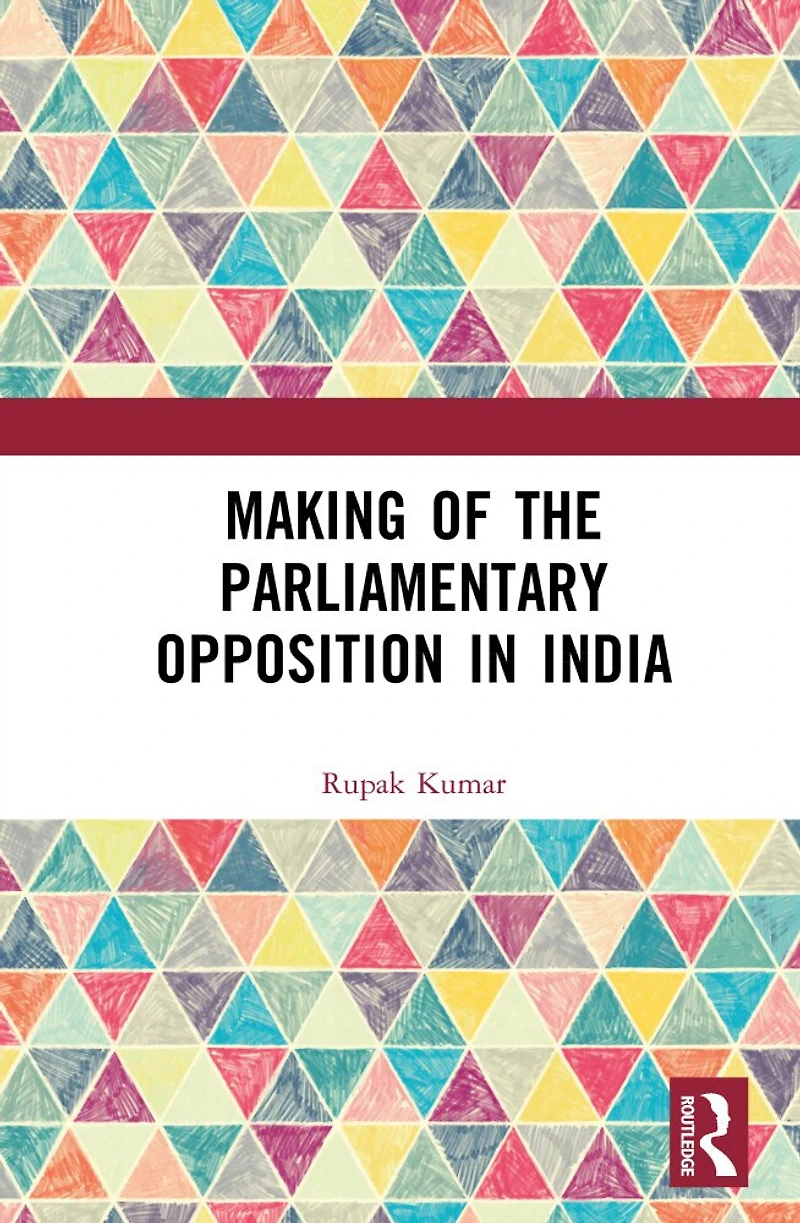
Making of the Parliamentary Opposition India
Current price: $296.50

Making of the Parliamentary Opposition India
Current price: $296.50
Loading Inventory...
Size: Hardcover
*Product information may vary - to confirm product availability, pricing, shipping and return information please contact Indigo
This book is a detailed historical and analytical account of the making of parliamentary opposition in Independent India, based on a wide range of sources, including the memoirs of politicians and their writings in the popular press. Historically, the book examines the working of the Opposition in four phases -the Formative Phase (1952-1966), the Resilience Phase (1967-1984), the Consolidation Phase (1985-1999), and the Fragmentation Phase (1999-2014); parallelly, the question of the Opposition is framed in two facets: as democracy's necessity and as governance imperative. It shows how the representational assertion in Indian politics enabled the expansion of the Opposition, but by generating fragmentation and making ideologically-neutral coalitions both possible and necessary, it also contributed to its weakening as a mechanism of exacting accountability. This book invites the reader to reimagine the idea of democracy, political system, governance from the perspective of the opposition. Why is the Opposition essential? What is the constitutional and institutional protection to ensure an effective and vibrant opposition under one party dominant system? It also adopts a narrative style, making it accessible to all kinds of readers. This book will be useful to those interested in understanding Indian politics, democracy, political processes and institutions. Students, researchers, academics of political science, governance and policy makers will find this work engaging.
This book is a detailed historical and analytical account of the making of parliamentary opposition in Independent India, based on a wide range of sources, including the memoirs of politicians and their writings in the popular press. Historically, the book examines the working of the Opposition in four phases -the Formative Phase (1952-1966), the Resilience Phase (1967-1984), the Consolidation Phase (1985-1999), and the Fragmentation Phase (1999-2014); parallelly, the question of the Opposition is framed in two facets: as democracy's necessity and as governance imperative. It shows how the representational assertion in Indian politics enabled the expansion of the Opposition, but by generating fragmentation and making ideologically-neutral coalitions both possible and necessary, it also contributed to its weakening as a mechanism of exacting accountability. This book invites the reader to reimagine the idea of democracy, political system, governance from the perspective of the opposition. Why is the Opposition essential? What is the constitutional and institutional protection to ensure an effective and vibrant opposition under one party dominant system? It also adopts a narrative style, making it accessible to all kinds of readers. This book will be useful to those interested in understanding Indian politics, democracy, political processes and institutions. Students, researchers, academics of political science, governance and policy makers will find this work engaging.
You May Also Like











More About Indigo at Erin Mills Town Centre
The largest book retailer in Canada also offers toys, music, home décor, gifts and lifestyle products. What's Inside...Books, Magazines, CD’s and DVD’s, Toys and Gifts, Home Accents, Electronics, Baby’s and Children’s Section, Bath and Body, Kitchen and Bedroom, Stationary Located outside in the exterior plaza.
5015 Glen Erin Dr, Mississauga, ON L5M 0R7, Canada
Find Indigo at Erin Mills Town Centre in Mississauga ON
Visit Indigo at Erin Mills Town Centre in Mississauga ON