

GIVE THE PERFECT GIFT
Erin Mills Town Centre Gift Cards are the perfect choice for your gift giving needs.Purchase gift cards at kiosks near the food court or centre court, at Guest Services, or click below to purchase online.PURCHASE HEREHome
Making Policy for the New Information Economy: Comparing China and India
Indigo
Loading Inventory...
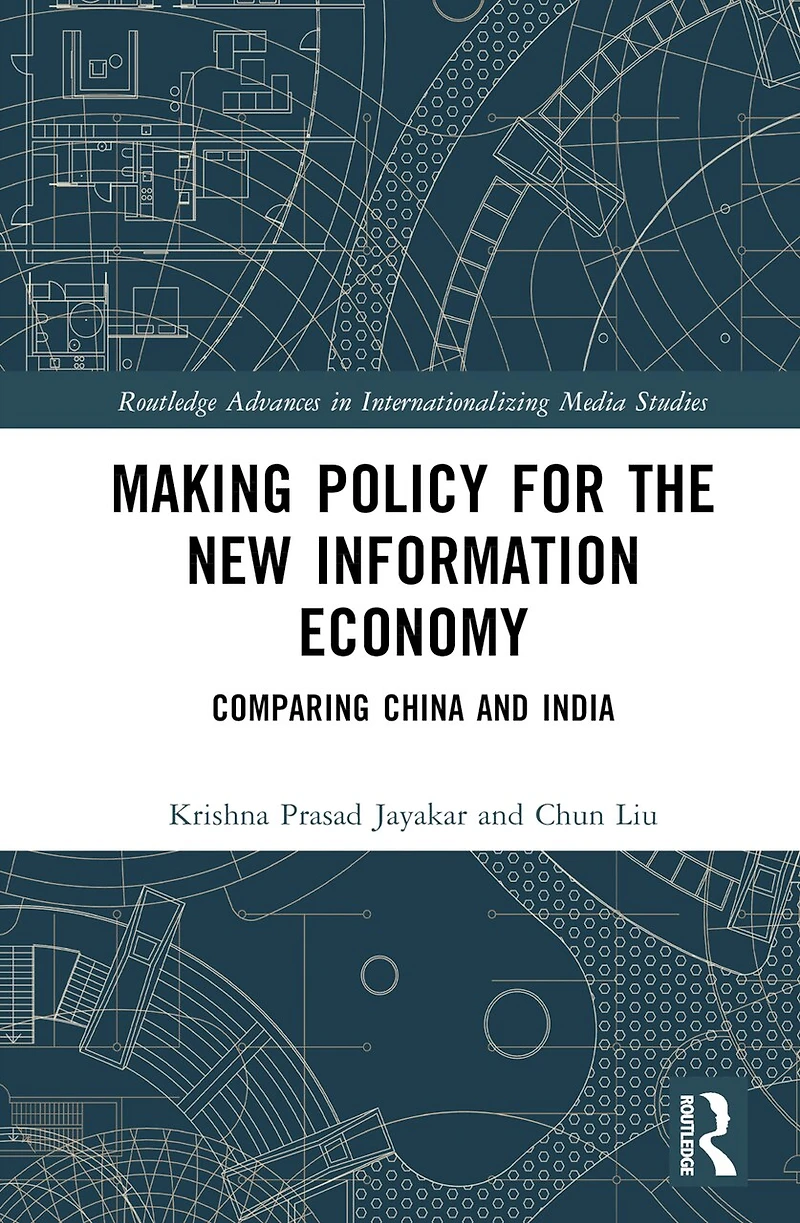
Making Policy for the New Information Economy: Comparing China and India
Current price: $296.50

Making Policy for the New Information Economy: Comparing China and India
Current price: $296.50
Loading Inventory...
Size: Hardcover
*Product information may vary - to confirm product availability, pricing, shipping and return information please contact Indigo
This volume is a theoretically informed comparative analysis of the telecommunications and information policy-making process in two major developing economies, China and India. With a focus on how policies are made rather than what those policies are, the book investigates how policy actors interact within institutional structures to define policy problems and identify potential solutions. The authors explain the evolution of these policy-making systems as the two countries liberalized their economies and opened their media and telecommunications systems to competition over the past two-and-a-half decades. With applications in numerous international contexts, this book will be of interest to scholars and practitioners in public policy studies, telecommunications, business, development economics, political science, Asian studies, and public administration.
This volume is a theoretically informed comparative analysis of the telecommunications and information policy-making process in two major developing economies, China and India. With a focus on how policies are made rather than what those policies are, the book investigates how policy actors interact within institutional structures to define policy problems and identify potential solutions. The authors explain the evolution of these policy-making systems as the two countries liberalized their economies and opened their media and telecommunications systems to competition over the past two-and-a-half decades. With applications in numerous international contexts, this book will be of interest to scholars and practitioners in public policy studies, telecommunications, business, development economics, political science, Asian studies, and public administration.
You May Also Like








More About Indigo at Erin Mills Town Centre
The largest book retailer in Canada also offers toys, music, home décor, gifts and lifestyle products. What's Inside...Books, Magazines, CD’s and DVD’s, Toys and Gifts, Home Accents, Electronics, Baby’s and Children’s Section, Bath and Body, Kitchen and Bedroom, Stationary Located outside in the exterior plaza.
5015 Glen Erin Dr, Mississauga, ON L5M 0R7, Canada
Find Indigo at Erin Mills Town Centre in Mississauga ON
Visit Indigo at Erin Mills Town Centre in Mississauga ON