

GIVE THE PERFECT GIFT
Erin Mills Town Centre Gift Cards are the perfect choice for your gift giving needs.Purchase gift cards at kiosks near the food court or centre court, at Guest Services, or click below to purchase online.PURCHASE HEREHome
Making Sense of Corruption
Indigo
Loading Inventory...
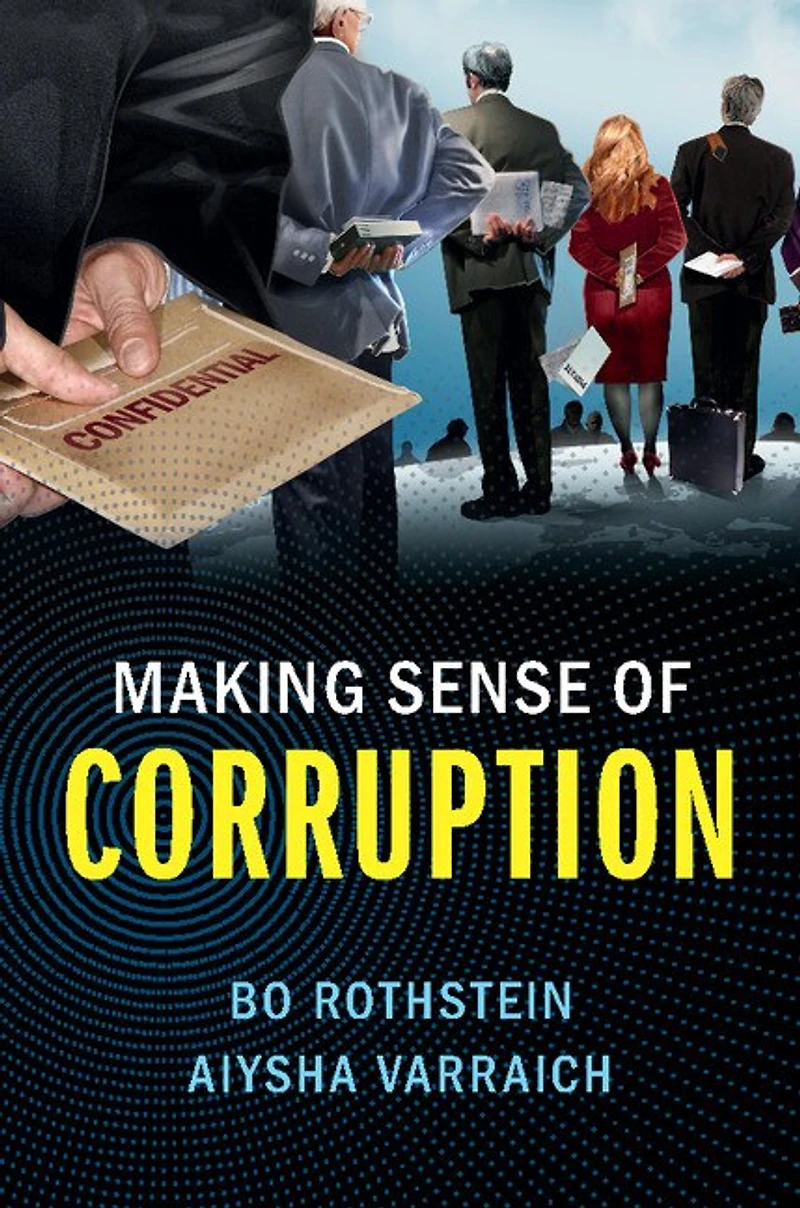
Making Sense of Corruption
Current price: $89.95

Making Sense of Corruption
Current price: $89.95
Loading Inventory...
Size: Hardcover
*Product information may vary - to confirm product availability, pricing, shipping and return information please contact Indigo
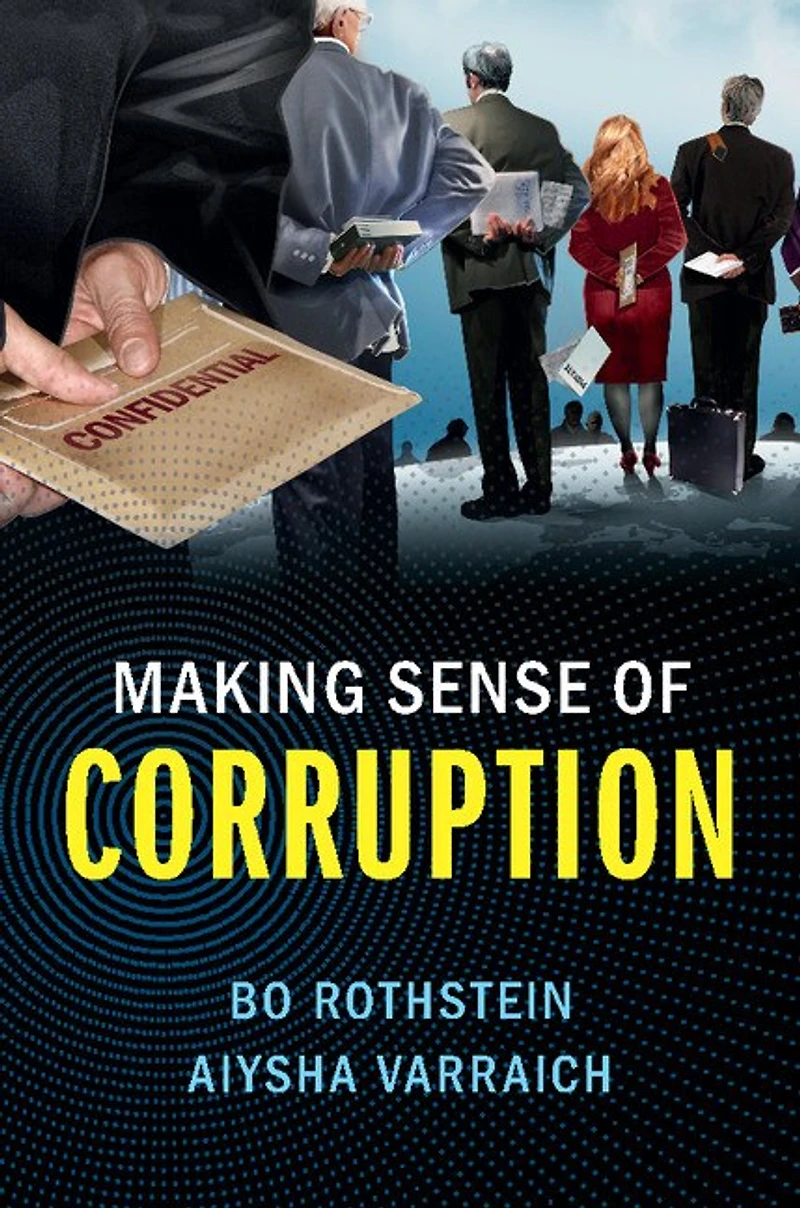
Corruption is a serious threat to prosperity, democracy and human well-being, with mounting empirical evidence highlighting its detrimental effects on society. Yet defining this threat has resulted in profound disagreement, producing a multidimensional concept. Tackling this important and provocative topic, the authors provide an accessible and systematic analysis of how our understanding of corruption has evolved. They identify gaps in the research and make connections between related concepts such as clientelism, patronage, patrimonialism, particularism and state capture. A fundamental issue discussed is how the opposite of corruption should be defined. By arguing for the possibility of a universal understanding of corruption, and specifically what corruption is not, an innovative solution to this problem is presented. This book provides an accessible overview of corruption, allowing scholars and students alike to see the far reaching place it has within academic research.
Corruption is a serious threat to prosperity, democracy and human well-being, with mounting empirical evidence highlighting its detrimental effects on society. Yet defining this threat has resulted in profound disagreement, producing a multidimensional concept. Tackling this important and provocative topic, the authors provide an accessible and systematic analysis of how our understanding of corruption has evolved. They identify gaps in the research and make connections between related concepts such as clientelism, patronage, patrimonialism, particularism and state capture. A fundamental issue discussed is how the opposite of corruption should be defined. By arguing for the possibility of a universal understanding of corruption, and specifically what corruption is not, an innovative solution to this problem is presented. This book provides an accessible overview of corruption, allowing scholars and students alike to see the far reaching place it has within academic research.
You May Also Like







More About Indigo at Erin Mills Town Centre
The largest book retailer in Canada also offers toys, music, home décor, gifts and lifestyle products. What's Inside...Books, Magazines, CD’s and DVD’s, Toys and Gifts, Home Accents, Electronics, Baby’s and Children’s Section, Bath and Body, Kitchen and Bedroom, Stationary Located outside in the exterior plaza.
5015 Glen Erin Dr, Mississauga, ON L5M 0R7, Canada
Find Indigo at Erin Mills Town Centre in Mississauga ON
Visit Indigo at Erin Mills Town Centre in Mississauga ON