

GIVE THE PERFECT GIFT
Erin Mills Town Centre Gift Cards are the perfect choice for your gift giving needs.Purchase gift cards at kiosks near the food court or centre court, at Guest Services, or click below to purchase online.PURCHASE HEREHome
Making Sense of Joan Robinson on China
Indigo
Loading Inventory...
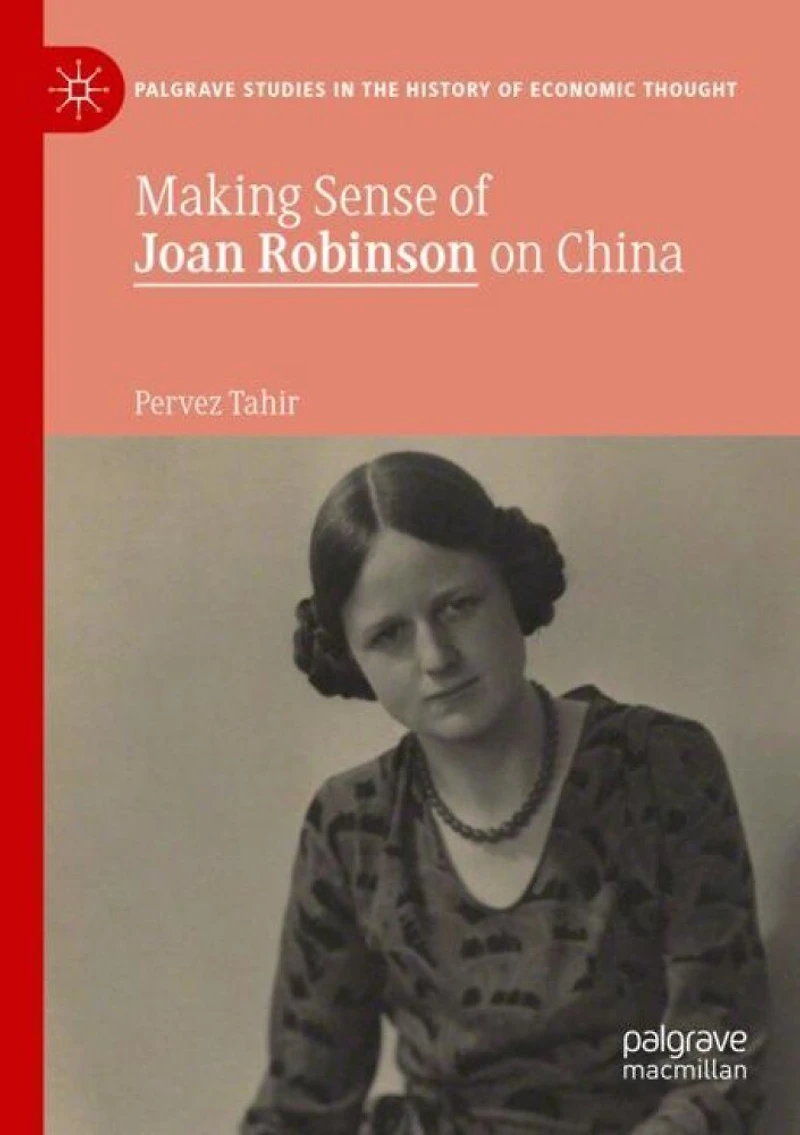
Making Sense of Joan Robinson on China
Current price: $94.95

Making Sense of Joan Robinson on China
Current price: $94.95
Loading Inventory...
Size: Paperback
*Product information may vary - to confirm product availability, pricing, shipping and return information please contact Indigo
Joan Robinson was a member of the famous Keynes Circus of young economists at Cambridge in the 1930's. She was a theorist par excellence, making outstanding contributions to the understanding of competition, aggregate demand and capital. At the same time, she developed an interest in underdeveloped economies and alternatives to capitalism that eventually produced a long list of writings on China between the 1950's to the 1970's. These writings were neither theoretical nor empirical, but a series of opinion pieces and reports. Yet it is these writings that arguably cost Joan Robinson the Nobel Memorial Prize in economics. This short book reviews those writings and comments on what has happened since with regard to China's development, Joan Robinson's interpretation and predictions, and how her 1950's lectures in China match up to China's policies since Mao. This book will be of interest to students and scholars interested in how the history of economic thoughtcan inform and progress development economics.
Joan Robinson was a member of the famous Keynes Circus of young economists at Cambridge in the 1930's. She was a theorist par excellence, making outstanding contributions to the understanding of competition, aggregate demand and capital. At the same time, she developed an interest in underdeveloped economies and alternatives to capitalism that eventually produced a long list of writings on China between the 1950's to the 1970's. These writings were neither theoretical nor empirical, but a series of opinion pieces and reports. Yet it is these writings that arguably cost Joan Robinson the Nobel Memorial Prize in economics. This short book reviews those writings and comments on what has happened since with regard to China's development, Joan Robinson's interpretation and predictions, and how her 1950's lectures in China match up to China's policies since Mao. This book will be of interest to students and scholars interested in how the history of economic thoughtcan inform and progress development economics.
You May Also Like







More About Indigo at Erin Mills Town Centre
The largest book retailer in Canada also offers toys, music, home décor, gifts and lifestyle products. What's Inside...Books, Magazines, CD’s and DVD’s, Toys and Gifts, Home Accents, Electronics, Baby’s and Children’s Section, Bath and Body, Kitchen and Bedroom, Stationary Located outside in the exterior plaza.
5015 Glen Erin Dr, Mississauga, ON L5M 0R7, Canada
Find Indigo at Erin Mills Town Centre in Mississauga ON
Visit Indigo at Erin Mills Town Centre in Mississauga ON