

GIVE THE PERFECT GIFT
Erin Mills Town Centre Gift Cards are the perfect choice for your gift giving needs.Purchase gift cards at kiosks near the food court or centre court, at Guest Services, or click below to purchase online.PURCHASE HEREHome
Man on his Nature
Indigo
Loading Inventory...
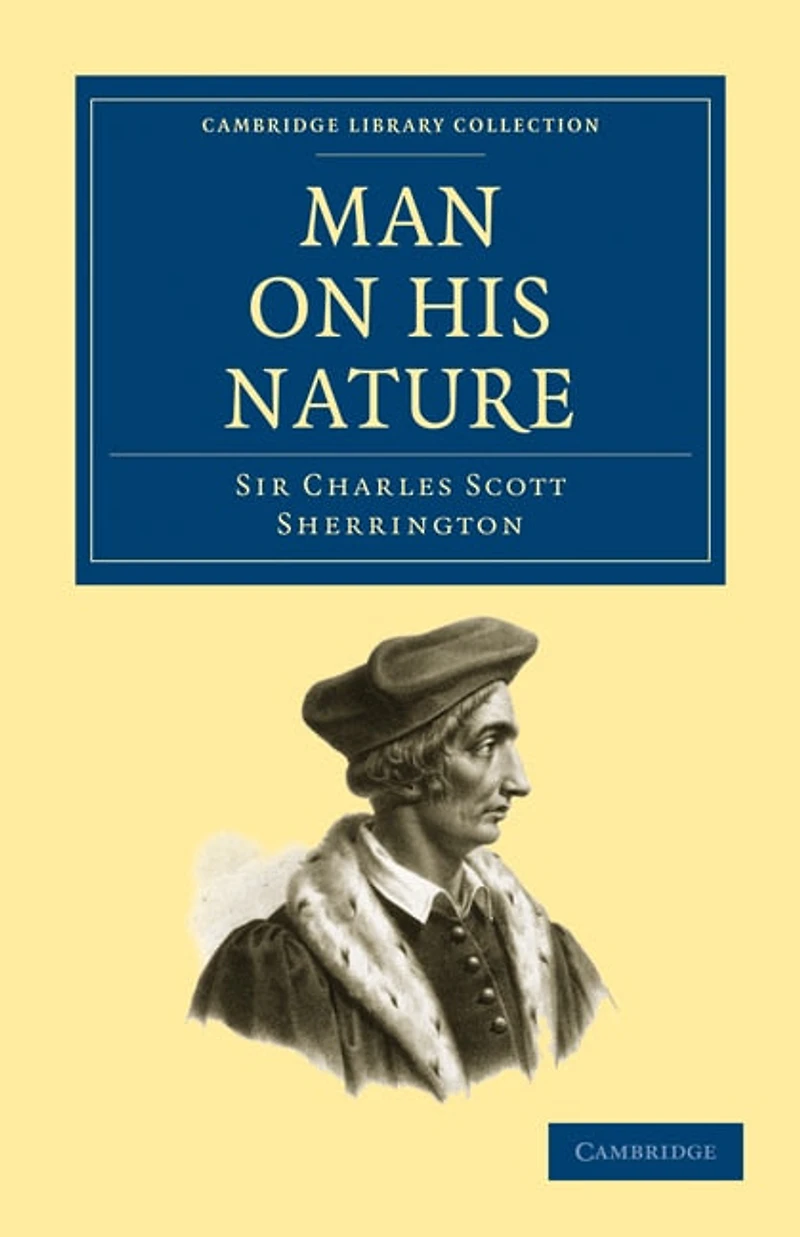
Man on his Nature
Current price: $53.09

Man on his Nature
Current price: $53.09
Loading Inventory...
Size: Paperback
*Product information may vary - to confirm product availability, pricing, shipping and return information please contact Indigo
Based on the Gifford Lectures of 1937–8 in Edinburgh, Nobel Prize winner Charles Sherrington's 1940 study addresses the nature of the mind and its relationship to life and matter. The book centres on the writings of the little-known sixteenth-century physician Jean Fernel. After setting out Fernel's views on the nature of man, Sherrington proceeds to develop his own thoughts, drawing upon a wide variety of philosophical theories. Using Fernel as a historical case study, the book demonstrates how any scientific outlook is always part of its age, and shows how views on the eternal enigmas of mankind, mind and life have changed radically over time. Sherrington's book is important in the history of ideas for its assessment of the value of advances in natural science as a framework for the development of natural theology.
Based on the Gifford Lectures of 1937–8 in Edinburgh, Nobel Prize winner Charles Sherrington's 1940 study addresses the nature of the mind and its relationship to life and matter. The book centres on the writings of the little-known sixteenth-century physician Jean Fernel. After setting out Fernel's views on the nature of man, Sherrington proceeds to develop his own thoughts, drawing upon a wide variety of philosophical theories. Using Fernel as a historical case study, the book demonstrates how any scientific outlook is always part of its age, and shows how views on the eternal enigmas of mankind, mind and life have changed radically over time. Sherrington's book is important in the history of ideas for its assessment of the value of advances in natural science as a framework for the development of natural theology.
You May Also Like










More About Indigo at Erin Mills Town Centre
The largest book retailer in Canada also offers toys, music, home décor, gifts and lifestyle products. What's Inside...Books, Magazines, CD’s and DVD’s, Toys and Gifts, Home Accents, Electronics, Baby’s and Children’s Section, Bath and Body, Kitchen and Bedroom, Stationary Located outside in the exterior plaza.
5015 Glen Erin Dr, Mississauga, ON L5M 0R7, Canada
Find Indigo at Erin Mills Town Centre in Mississauga ON
Visit Indigo at Erin Mills Town Centre in Mississauga ON