

GIVE THE PERFECT GIFT
Erin Mills Town Centre Gift Cards are the perfect choice for your gift giving needs.Purchase gift cards at kiosks near the food court or centre court, at Guest Services, or click below to purchase online.PURCHASE HEREHome
Managing Intermediate Cities: Sustainable Development a Growth Region of Thailand
Indigo
Loading Inventory...
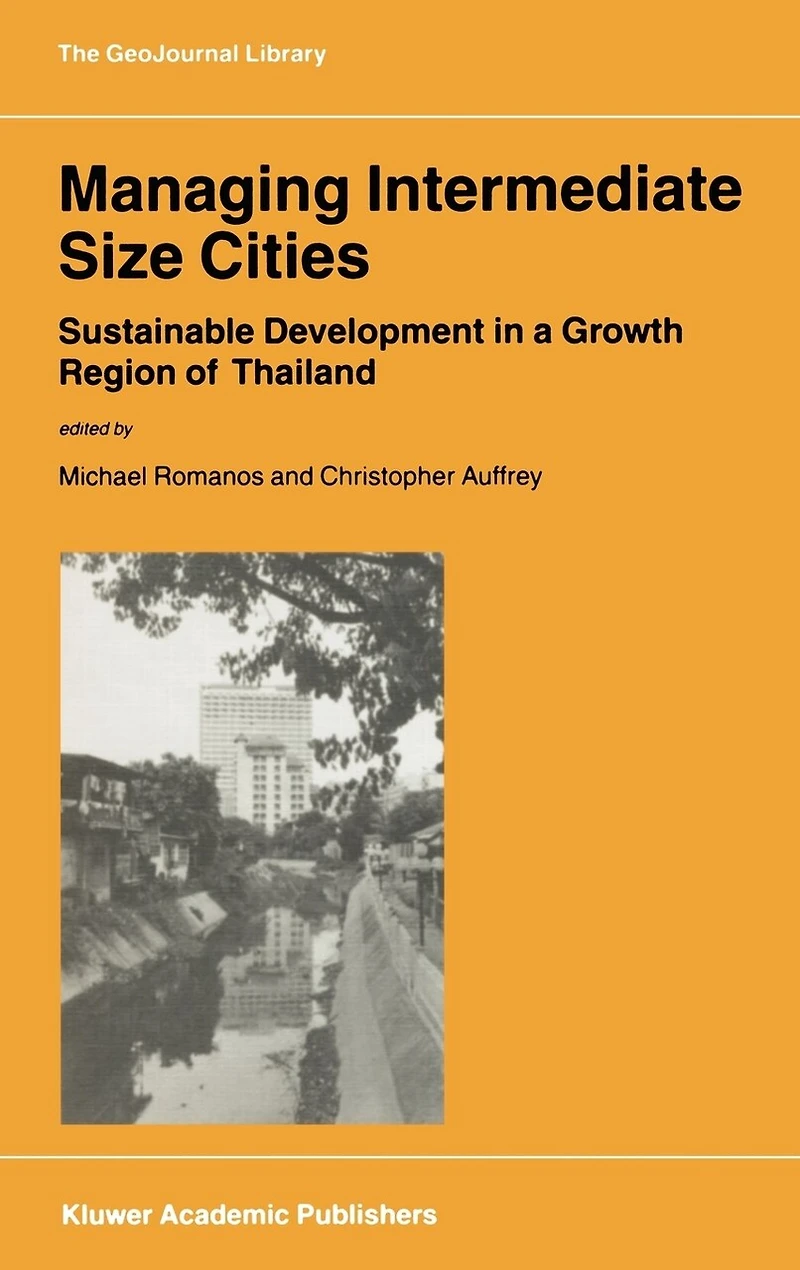
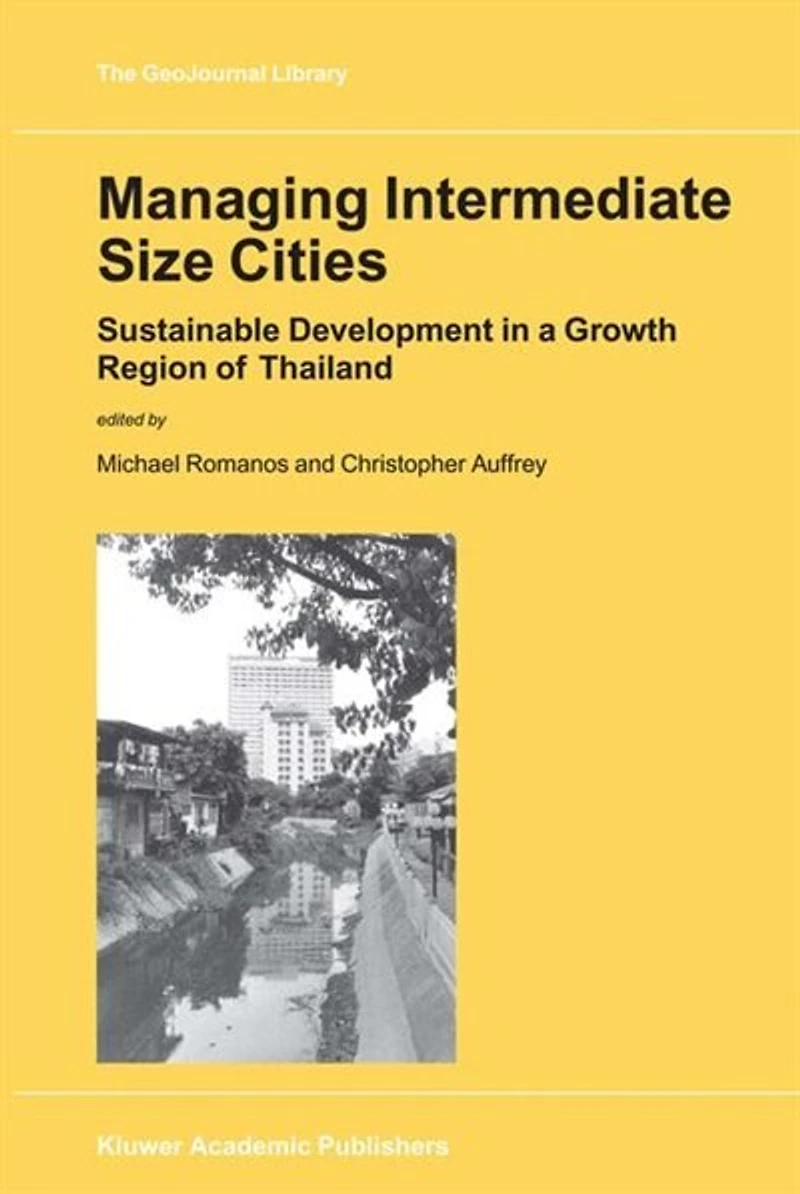
Managing Intermediate Cities: Sustainable Development a Growth Region of Thailand
Current price: $248.50

Managing Intermediate Cities: Sustainable Development a Growth Region of Thailand
Current price: $248.50
Loading Inventory...
Size: Hardcover
*Product information may vary - to confirm product availability, pricing, shipping and return information please contact Indigo
I am both pleased and honored to introduce this book to readers, and I want to take a few moments to explain why. Michael Romanos and Christopher Auffrey have produced a volume which will be of immense value to several different types of people. Planners and other specialists concerned with the development of the Southeast Asian region and the issues and opportunities associated with urban growth and sustainable development will find much to interest them in this book. But the book, I believe, has much wider appeal, and that is what I want to touch on briefly here. The University of Cincinnati, where Michael, Chris, and I work, is attempting to globalize itself - to develop its institutional capacity for international activities, to infuse its curriculum with international themes, and to promote and increase global competence among its graduates. Many American universities are doing this, of course. In the process, we are seeing some very interesting experiments in pedagogy, as facultylook for "learning moments" in new and sometimes exotic places. Michael, Chris, and their colleagues have, it seems to me, developed an outstanding model for learning across national and cultural boundaries. In the chapters which follow, you will read the results of their work. What will be less apparent, however, is the process by which that work was produced.
I am both pleased and honored to introduce this book to readers, and I want to take a few moments to explain why. Michael Romanos and Christopher Auffrey have produced a volume which will be of immense value to several different types of people. Planners and other specialists concerned with the development of the Southeast Asian region and the issues and opportunities associated with urban growth and sustainable development will find much to interest them in this book. But the book, I believe, has much wider appeal, and that is what I want to touch on briefly here. The University of Cincinnati, where Michael, Chris, and I work, is attempting to globalize itself - to develop its institutional capacity for international activities, to infuse its curriculum with international themes, and to promote and increase global competence among its graduates. Many American universities are doing this, of course. In the process, we are seeing some very interesting experiments in pedagogy, as facultylook for "learning moments" in new and sometimes exotic places. Michael, Chris, and their colleagues have, it seems to me, developed an outstanding model for learning across national and cultural boundaries. In the chapters which follow, you will read the results of their work. What will be less apparent, however, is the process by which that work was produced.
You May Also Like










More About Indigo at Erin Mills Town Centre
The largest book retailer in Canada also offers toys, music, home décor, gifts and lifestyle products. What's Inside...Books, Magazines, CD’s and DVD’s, Toys and Gifts, Home Accents, Electronics, Baby’s and Children’s Section, Bath and Body, Kitchen and Bedroom, Stationary Located outside in the exterior plaza.
5015 Glen Erin Dr, Mississauga, ON L5M 0R7, Canada
Find Indigo at Erin Mills Town Centre in Mississauga ON
Visit Indigo at Erin Mills Town Centre in Mississauga ON