

GIVE THE PERFECT GIFT
Erin Mills Town Centre Gift Cards are the perfect choice for your gift giving needs.Purchase gift cards at kiosks near the food court or centre court, at Guest Services, or click below to purchase online.PURCHASE HEREHome
Mapping Precarity Contemporary Cinema and Television: Chronotopes of Anxiety, Depression, Expulsion/Extinction
Indigo
Loading Inventory...
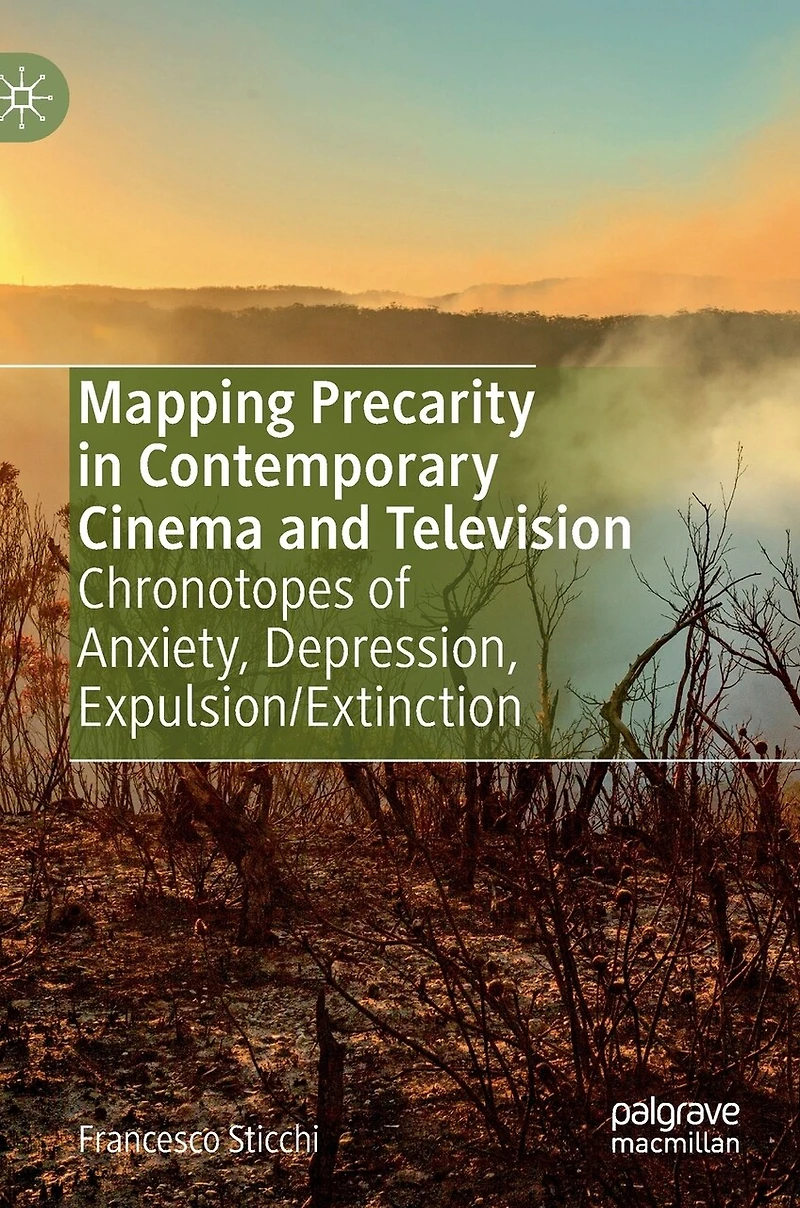
Mapping Precarity Contemporary Cinema and Television: Chronotopes of Anxiety, Depression, Expulsion/Extinction
Current price: $175.50

Mapping Precarity Contemporary Cinema and Television: Chronotopes of Anxiety, Depression, Expulsion/Extinction
Current price: $175.50
Loading Inventory...
Size: Hardcover
*Product information may vary - to confirm product availability, pricing, shipping and return information please contact Indigo
This book examines a corpus of films and TV series released since the global financial crisis, addressing them as emblematic expressions of our age of precarity. The analysis of the motifs and characters of these case studies is built around notions originating from Mikhail Bakhtin's literary theory and, in particular, the concept of chronotope, affirming the material and dynamic connection between form and content in artistic experience. This book observes how precarious lives are enacted in forms of spatio-temporal compositions which carry conceptual and ethical challenges for their viewers. This book falls within the film-philosophy framework and, although primarily directed to an academic audience, it provides an interdisciplinary account of the notion of cinematic precarity. It puts the embodied analysis of viewers' ethical participation in close dialogical relationship with a philosophical and sociological examination of current dynamics of inequality and exclusion.
This book examines a corpus of films and TV series released since the global financial crisis, addressing them as emblematic expressions of our age of precarity. The analysis of the motifs and characters of these case studies is built around notions originating from Mikhail Bakhtin's literary theory and, in particular, the concept of chronotope, affirming the material and dynamic connection between form and content in artistic experience. This book observes how precarious lives are enacted in forms of spatio-temporal compositions which carry conceptual and ethical challenges for their viewers. This book falls within the film-philosophy framework and, although primarily directed to an academic audience, it provides an interdisciplinary account of the notion of cinematic precarity. It puts the embodied analysis of viewers' ethical participation in close dialogical relationship with a philosophical and sociological examination of current dynamics of inequality and exclusion.
You May Also Like










More About Indigo at Erin Mills Town Centre
The largest book retailer in Canada also offers toys, music, home décor, gifts and lifestyle products. What's Inside...Books, Magazines, CD’s and DVD’s, Toys and Gifts, Home Accents, Electronics, Baby’s and Children’s Section, Bath and Body, Kitchen and Bedroom, Stationary Located outside in the exterior plaza.
5015 Glen Erin Dr, Mississauga, ON L5M 0R7, Canada
Find Indigo at Erin Mills Town Centre in Mississauga ON
Visit Indigo at Erin Mills Town Centre in Mississauga ON