

GIVE THE PERFECT GIFT
Erin Mills Town Centre Gift Cards are the perfect choice for your gift giving needs.Purchase gift cards at kiosks near the food court or centre court, at Guest Services, or click below to purchase online.PURCHASE HEREHome
Mapping Ultima Thule: Representations Of North Greenland In The Expedition Accounts Of Knud Rasmussen
Indigo
Loading Inventory...
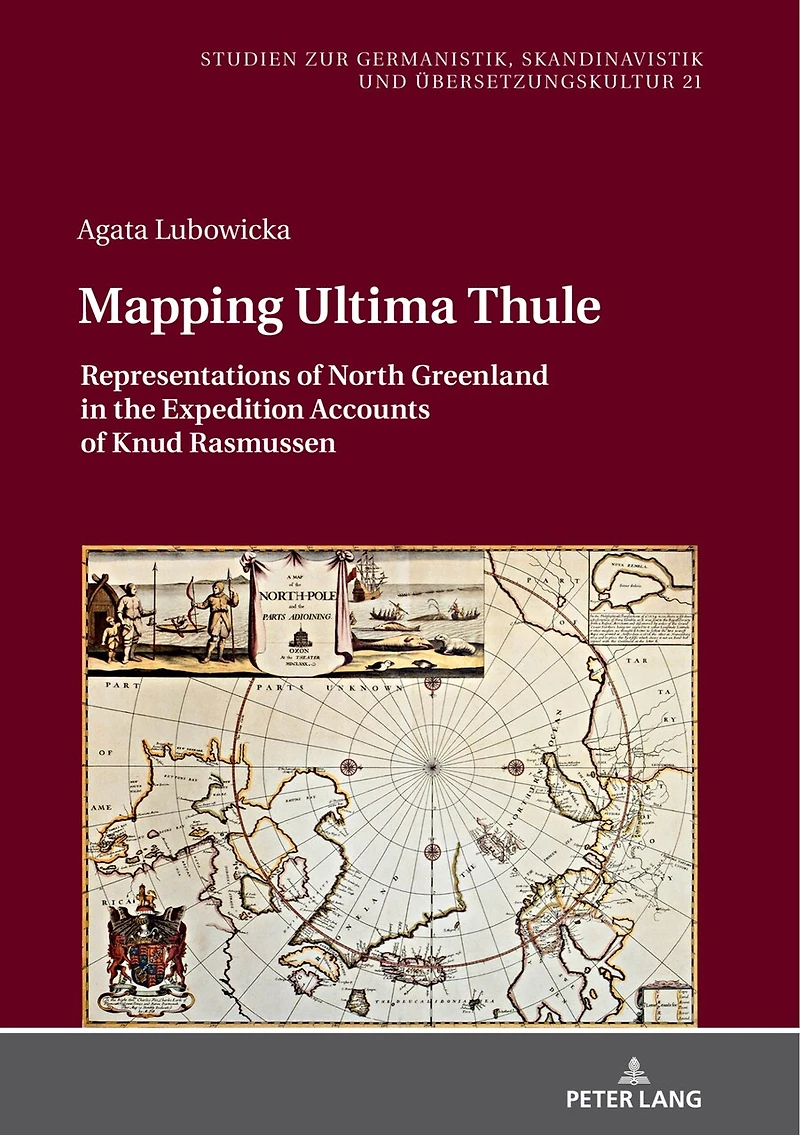
Mapping Ultima Thule: Representations Of North Greenland In The Expedition Accounts Of Knud Rasmussen
Current price: $118.80

Mapping Ultima Thule: Representations Of North Greenland In The Expedition Accounts Of Knud Rasmussen
Current price: $118.80
Loading Inventory...
Size: Hardcover
*Product information may vary - to confirm product availability, pricing, shipping and return information please contact Indigo
The book addresses the relationship between the literary representations of North Greenland and the Inughuit people in Knud Rasmussen’s expedition accounts The New People and My Travel Diary and the historical process of Danish colonization of North Greenland. The aim of reading both works is to demonstrate the ambivalence in representing North Greenland and the Inughuit, and, through this, to prove the existence of common mechanisms and cultural practices connected to mapping of the Other in a situation of asymmetric power relations. Applying a textual approach founded on colonial discourse analysis, the reading proves that literary mappings of geography and identity can never be stable, as they are in the state of constant transformation, perpetually recontextualized and reinvented.
The book addresses the relationship between the literary representations of North Greenland and the Inughuit people in Knud Rasmussen’s expedition accounts The New People and My Travel Diary and the historical process of Danish colonization of North Greenland. The aim of reading both works is to demonstrate the ambivalence in representing North Greenland and the Inughuit, and, through this, to prove the existence of common mechanisms and cultural practices connected to mapping of the Other in a situation of asymmetric power relations. Applying a textual approach founded on colonial discourse analysis, the reading proves that literary mappings of geography and identity can never be stable, as they are in the state of constant transformation, perpetually recontextualized and reinvented.
You May Also Like







More About Indigo at Erin Mills Town Centre
The largest book retailer in Canada also offers toys, music, home décor, gifts and lifestyle products. What's Inside...Books, Magazines, CD’s and DVD’s, Toys and Gifts, Home Accents, Electronics, Baby’s and Children’s Section, Bath and Body, Kitchen and Bedroom, Stationary Located outside in the exterior plaza.
5015 Glen Erin Dr, Mississauga, ON L5M 0R7, Canada
Find Indigo at Erin Mills Town Centre in Mississauga ON
Visit Indigo at Erin Mills Town Centre in Mississauga ON