

GIVE THE PERFECT GIFT
Erin Mills Town Centre Gift Cards are the perfect choice for your gift giving needs.Purchase gift cards at kiosks near the food court or centre court, at Guest Services, or click below to purchase online.PURCHASE HEREHome
Marine Scientific Research and the Regulation of Modern Ocean Data Collection Activities under UNCLOS
Indigo
Loading Inventory...
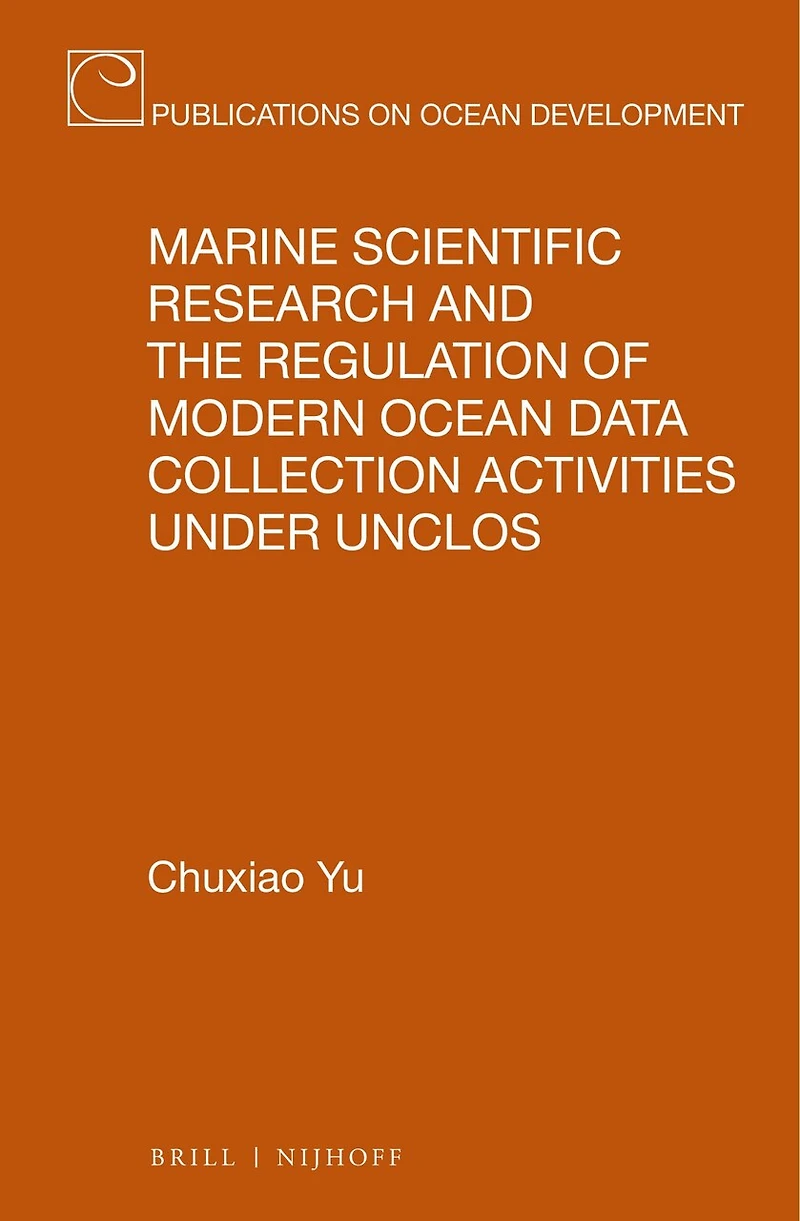
Marine Scientific Research and the Regulation of Modern Ocean Data Collection Activities under UNCLOS
Current price: $251.99

Marine Scientific Research and the Regulation of Modern Ocean Data Collection Activities under UNCLOS
Current price: $251.99
Loading Inventory...
Size: Hardcover
*Product information may vary - to confirm product availability, pricing, shipping and return information please contact Indigo
The scope of marine scientific research has long been debated due to a lack of definition of the term in the United Nations Convention on the Law of the Sea (UNCLOS). The introduction of new forms and methods of ocean data collection adds another layer of legal uncertainty in this field. Marine Scientific Research and the Regulation of Modern Ocean Data Collection Activities Under UNCLOS thus strives to identify the possible limits of the existing legal framework, mainly the UNCLOS marine scientific research regime, and the ways in which the identified gaps can be bridged. In the analysis, Chuxiao Yu carries out two case studies: one on access to marine genetic resources and the other on operational oceanographic activities.
The scope of marine scientific research has long been debated due to a lack of definition of the term in the United Nations Convention on the Law of the Sea (UNCLOS). The introduction of new forms and methods of ocean data collection adds another layer of legal uncertainty in this field. Marine Scientific Research and the Regulation of Modern Ocean Data Collection Activities Under UNCLOS thus strives to identify the possible limits of the existing legal framework, mainly the UNCLOS marine scientific research regime, and the ways in which the identified gaps can be bridged. In the analysis, Chuxiao Yu carries out two case studies: one on access to marine genetic resources and the other on operational oceanographic activities.
You May Also Like










More About Indigo at Erin Mills Town Centre
The largest book retailer in Canada also offers toys, music, home décor, gifts and lifestyle products. What's Inside...Books, Magazines, CD’s and DVD’s, Toys and Gifts, Home Accents, Electronics, Baby’s and Children’s Section, Bath and Body, Kitchen and Bedroom, Stationary Located outside in the exterior plaza.
5015 Glen Erin Dr, Mississauga, ON L5M 0R7, Canada
Find Indigo at Erin Mills Town Centre in Mississauga ON
Visit Indigo at Erin Mills Town Centre in Mississauga ON