

GIVE THE PERFECT GIFT
Erin Mills Town Centre Gift Cards are the perfect choice for your gift giving needs.Purchase gift cards at kiosks near the food court or centre court, at Guest Services, or click below to purchase online.PURCHASE HEREHome
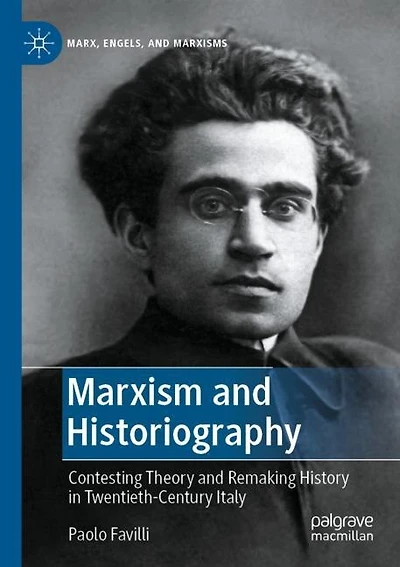
Marxism and Philosophy of Praxis: An Italian Perspective from Labriola to Gramsci
Indigo
Loading Inventory...
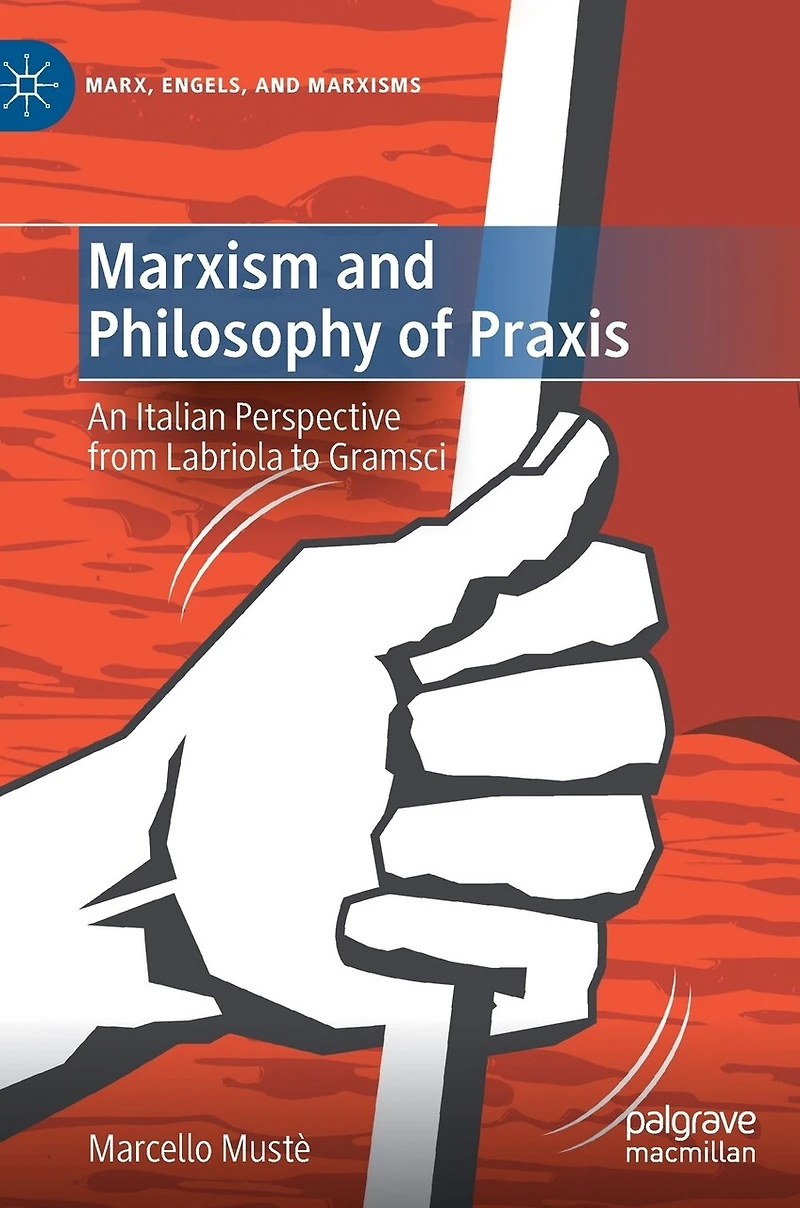
Marxism and Philosophy of Praxis: An Italian Perspective from Labriola to Gramsci
Current price: $233.95

Marxism and Philosophy of Praxis: An Italian Perspective from Labriola to Gramsci
Current price: $233.95
Loading Inventory...
Size: Hardcover
*Product information may vary - to confirm product availability, pricing, shipping and return information please contact Indigo
This book will offer a full reconstruction of the history of Theoretical Marxism in Italy between 1895 and 1935, based on a rigorous philological method. The starting term (1895) is marked by the publication of Antonio Labriola's first essay on historical materialism ( In memory of Communist Manifesto ); the final term coincides with the conclusion of the "Prison Notebooks" written by Antonio Gramsci. This book analyses the original character of the Marxist philosophy in Italy, which emerged by distinguishing itself from the "orthodoxy" of the Second and Third International. By delineating a significant chapter in the history of Marxism, the book will also propose a specific contribution to the history of Italian Philosophy, which is here studied in relation to the developments of European philosophy, beyond the traditional subdivisions of Positivism, Idealism and Marxism.
This book will offer a full reconstruction of the history of Theoretical Marxism in Italy between 1895 and 1935, based on a rigorous philological method. The starting term (1895) is marked by the publication of Antonio Labriola's first essay on historical materialism ( In memory of Communist Manifesto ); the final term coincides with the conclusion of the "Prison Notebooks" written by Antonio Gramsci. This book analyses the original character of the Marxist philosophy in Italy, which emerged by distinguishing itself from the "orthodoxy" of the Second and Third International. By delineating a significant chapter in the history of Marxism, the book will also propose a specific contribution to the history of Italian Philosophy, which is here studied in relation to the developments of European philosophy, beyond the traditional subdivisions of Positivism, Idealism and Marxism.
You May Also Like











More About Indigo at Erin Mills Town Centre
The largest book retailer in Canada also offers toys, music, home décor, gifts and lifestyle products. What's Inside...Books, Magazines, CD’s and DVD’s, Toys and Gifts, Home Accents, Electronics, Baby’s and Children’s Section, Bath and Body, Kitchen and Bedroom, Stationary Located outside in the exterior plaza.
5015 Glen Erin Dr, Mississauga, ON L5M 0R7, Canada
Find Indigo at Erin Mills Town Centre in Mississauga ON
Visit Indigo at Erin Mills Town Centre in Mississauga ON