

GIVE THE PERFECT GIFT
Erin Mills Town Centre Gift Cards are the perfect choice for your gift giving needs.Purchase gift cards at kiosks near the food court or centre court, at Guest Services, or click below to purchase online.PURCHASE HEREHome
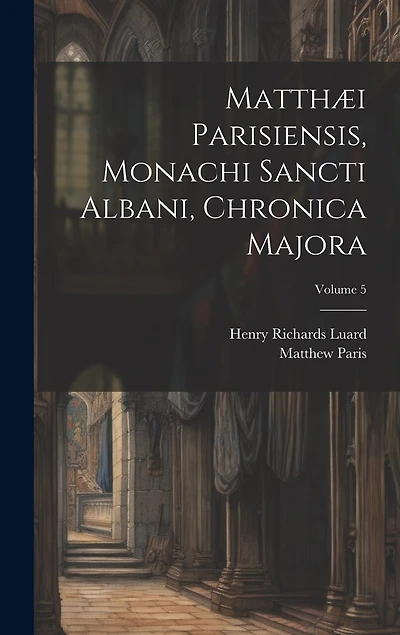
Matthaei Parisiensis Chronica majora
Indigo
Loading Inventory...
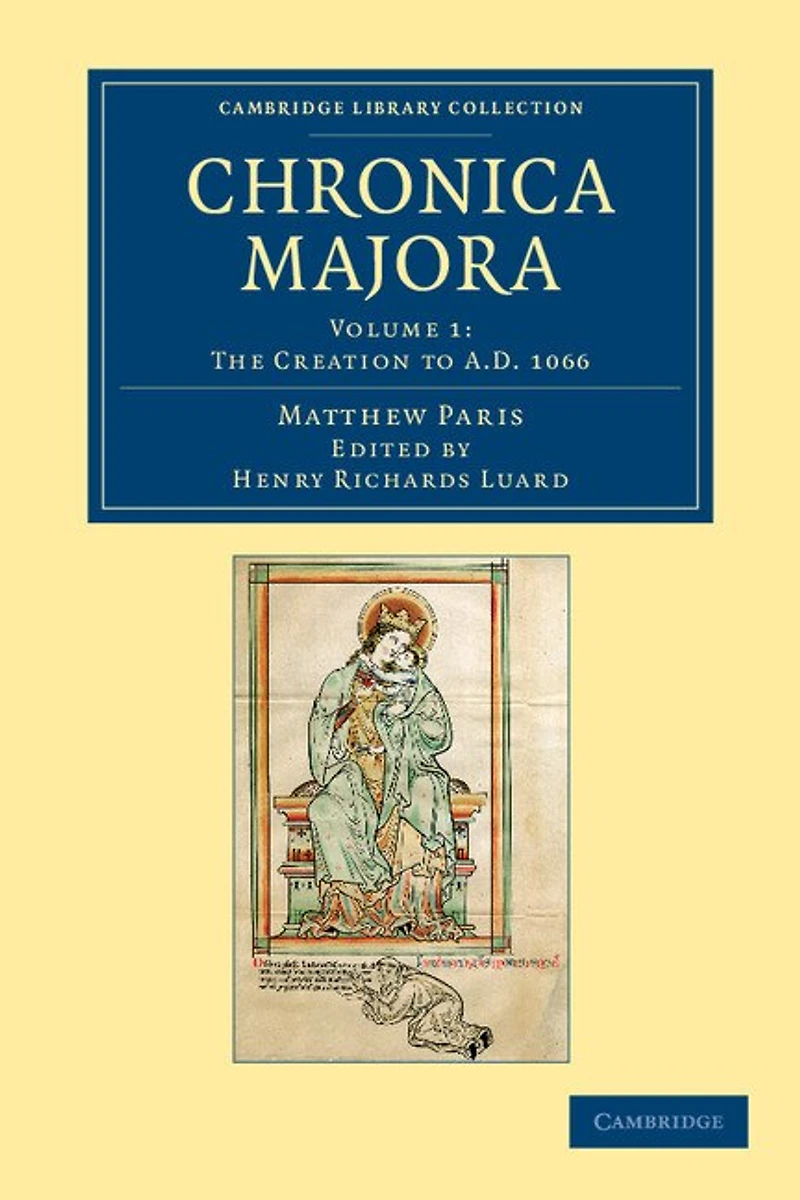
Matthaei Parisiensis Chronica majora
Current price: $101.87

Matthaei Parisiensis Chronica majora
Current price: $101.87
Loading Inventory...
Size: Paperback (2012 A)
*Product information may vary - to confirm product availability, pricing, shipping and return information please contact Indigo
A Church of England clergyman and fellow of Trinity College, Cambridge, Henry Richards Luard (1825–91) edited a number of works in the Rolls Series, for which he was noted for the quality of his indexing and the depth of his commentary. This seven-volume work, first published between 1872 and 1883, has been hailed as one of the best editions in the series. It is a rich source for English history from the Creation to 1259, written by England's greatest medieval historian. Matthew Paris (c.1200–59) became a monk at St Albans in 1217 and had access to a wide variety of documents as an acquaintance of such men as Bishop Robert Grosseteste and King Henry III, whom he knew well. The Latin text of Volume 1, covering the Creation to 1066, derives mainly from the work of Paris's predecessor, Roger of Wendover.
A Church of England clergyman and fellow of Trinity College, Cambridge, Henry Richards Luard (1825–91) edited a number of works in the Rolls Series, for which he was noted for the quality of his indexing and the depth of his commentary. This seven-volume work, first published between 1872 and 1883, has been hailed as one of the best editions in the series. It is a rich source for English history from the Creation to 1259, written by England's greatest medieval historian. Matthew Paris (c.1200–59) became a monk at St Albans in 1217 and had access to a wide variety of documents as an acquaintance of such men as Bishop Robert Grosseteste and King Henry III, whom he knew well. The Latin text of Volume 1, covering the Creation to 1066, derives mainly from the work of Paris's predecessor, Roger of Wendover.
You May Also Like







More About Indigo at Erin Mills Town Centre
The largest book retailer in Canada also offers toys, music, home décor, gifts and lifestyle products. What's Inside...Books, Magazines, CD’s and DVD’s, Toys and Gifts, Home Accents, Electronics, Baby’s and Children’s Section, Bath and Body, Kitchen and Bedroom, Stationary Located outside in the exterior plaza.
5015 Glen Erin Dr, Mississauga, ON L5M 0R7, Canada
Find Indigo at Erin Mills Town Centre in Mississauga ON
Visit Indigo at Erin Mills Town Centre in Mississauga ON