

GIVE THE PERFECT GIFT
Erin Mills Town Centre Gift Cards are the perfect choice for your gift giving needs.Purchase gift cards at kiosks near the food court or centre court, at Guest Services, or click below to purchase online.PURCHASE HEREHome
Matthew’s Non-Messianic Mapping of Messianic Texts: Evidences of a Broadly Eschatological Hermeneutic
Indigo
Loading Inventory...
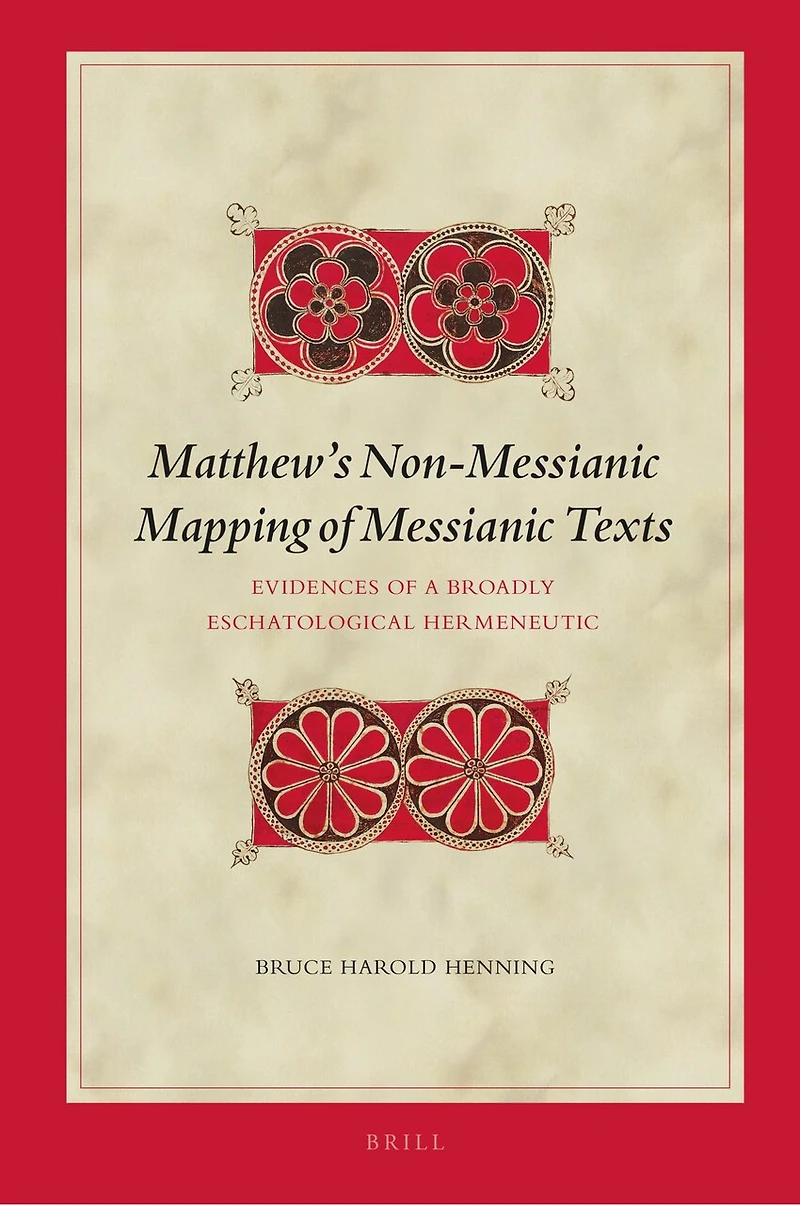
Matthew’s Non-Messianic Mapping of Messianic Texts: Evidences of a Broadly Eschatological Hermeneutic
Current price: $171.99

Matthew’s Non-Messianic Mapping of Messianic Texts: Evidences of a Broadly Eschatological Hermeneutic
Current price: $171.99
Loading Inventory...
Size: Hardcover
*Product information may vary - to confirm product availability, pricing, shipping and return information please contact Indigo
Scholars often explain Matthew’s practice of applying non-messianic texts to the messiah by postulating a Christological hermeneutic. In Matthew’s Non-Messianic Mapping of Messianic texts , Bruce Henning raises the question of how Matthew applies messianic texts to non-messianic figures. This neglected category challenges the popular view by stretching Matthew’s paradigm to a broadly eschatological one in which disciples share in the mission of Jesus so as to fulfill Scriptural hopes. Using Cognitive Linguistics, this volume explores four case studies to demonstrate Matthew’s non-messianic mapping scheme: the eschatological shepherd, the vineyard care-giver, temple construction imagery, and the Isaian herald. These reveal how Matthew’s theology of discipleship as participating in Jesus’ own vocation extends even to his hermeneutical paradigm of fulfillment.
Scholars often explain Matthew’s practice of applying non-messianic texts to the messiah by postulating a Christological hermeneutic. In Matthew’s Non-Messianic Mapping of Messianic texts , Bruce Henning raises the question of how Matthew applies messianic texts to non-messianic figures. This neglected category challenges the popular view by stretching Matthew’s paradigm to a broadly eschatological one in which disciples share in the mission of Jesus so as to fulfill Scriptural hopes. Using Cognitive Linguistics, this volume explores four case studies to demonstrate Matthew’s non-messianic mapping scheme: the eschatological shepherd, the vineyard care-giver, temple construction imagery, and the Isaian herald. These reveal how Matthew’s theology of discipleship as participating in Jesus’ own vocation extends even to his hermeneutical paradigm of fulfillment.
You May Also Like












More About Indigo at Erin Mills Town Centre
The largest book retailer in Canada also offers toys, music, home décor, gifts and lifestyle products. What's Inside...Books, Magazines, CD’s and DVD’s, Toys and Gifts, Home Accents, Electronics, Baby’s and Children’s Section, Bath and Body, Kitchen and Bedroom, Stationary Located outside in the exterior plaza.
5015 Glen Erin Dr, Mississauga, ON L5M 0R7, Canada
Find Indigo at Erin Mills Town Centre in Mississauga ON
Visit Indigo at Erin Mills Town Centre in Mississauga ON