

GIVE THE PERFECT GIFT
Erin Mills Town Centre Gift Cards are the perfect choice for your gift giving needs.Purchase gift cards at kiosks near the food court or centre court, at Guest Services, or click below to purchase online.PURCHASE HEREHome
Measuring Change in Poor Communities: What is Community Development and How do We Know it Works?
Indigo
Loading Inventory...
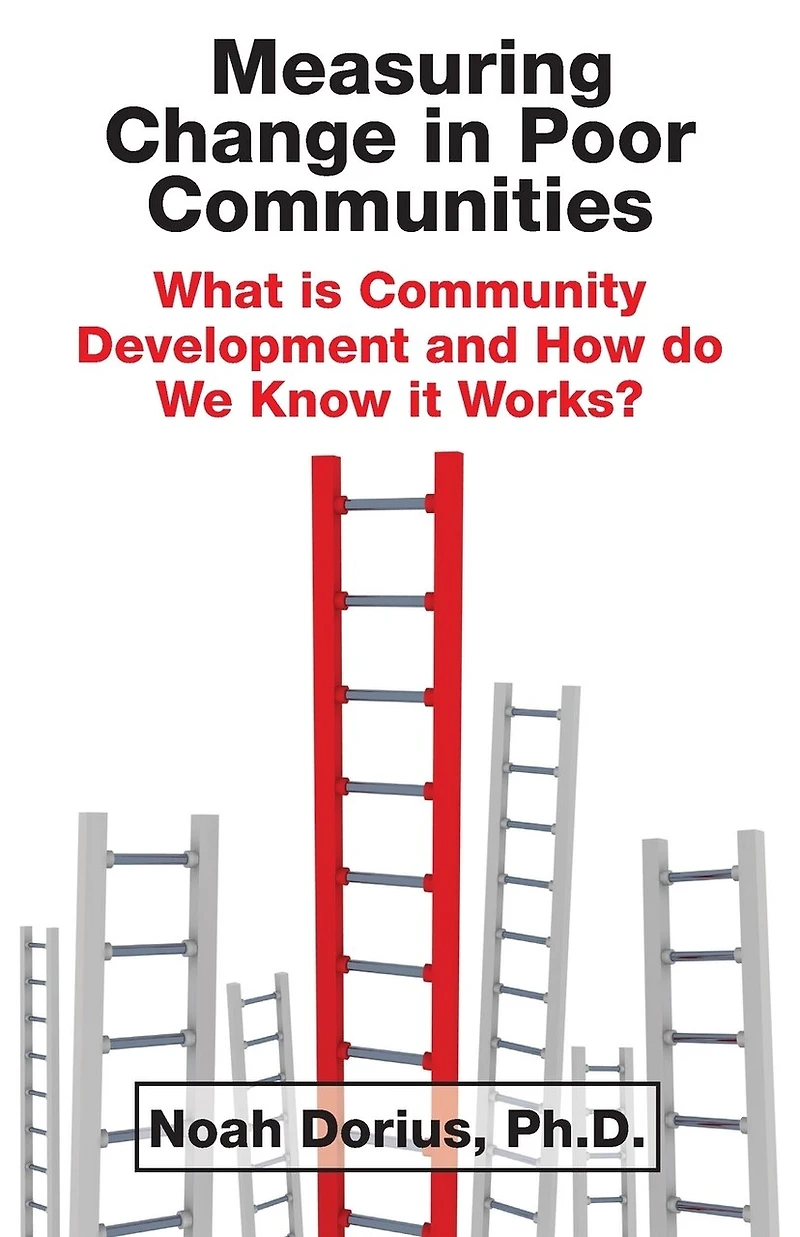
Measuring Change in Poor Communities: What is Community Development and How do We Know it Works?
Current price: $19.50

Measuring Change in Poor Communities: What is Community Development and How do We Know it Works?
Current price: $19.50
Loading Inventory...
Size: Paperback
*Product information may vary - to confirm product availability, pricing, shipping and return information please contact Indigo
The field of Community Development (CD) is in the grip of a "crisis in knowing" i.e. what is it and how do we know it works? Until these simple questions can be answered simply, related questions of what should be measured and why it's important will remain obscure. Measuring Change in Poor Communities is a call to be more deliberate about what is being measured and what it means. The academics, policy experts, and institutional evaluators of CD initiatives have contributed much to this crisis. They decided that the practice of CD is a "black box" of ideas and techniques germane to no particular body of thought or scholarly discipline. This has helped to precipitate a "theory gap" that prevents knowledge production by any conventional means - there's no recognized theory of community change to guide CD research and evaluation. CD practitioners, on the other hand, do have a common understanding of their work. Empirical studies show they intentionally pursue behavioral change objectives that are firmly rooted in our social work traditions and today's global social change movement. The problem of identifying an analytical model based in sound theory was solved over 50 years ago and CD practice found its natural home in community sociology. It's time to embrace this epistemological record and a general theory of CD practice.
The field of Community Development (CD) is in the grip of a "crisis in knowing" i.e. what is it and how do we know it works? Until these simple questions can be answered simply, related questions of what should be measured and why it's important will remain obscure. Measuring Change in Poor Communities is a call to be more deliberate about what is being measured and what it means. The academics, policy experts, and institutional evaluators of CD initiatives have contributed much to this crisis. They decided that the practice of CD is a "black box" of ideas and techniques germane to no particular body of thought or scholarly discipline. This has helped to precipitate a "theory gap" that prevents knowledge production by any conventional means - there's no recognized theory of community change to guide CD research and evaluation. CD practitioners, on the other hand, do have a common understanding of their work. Empirical studies show they intentionally pursue behavioral change objectives that are firmly rooted in our social work traditions and today's global social change movement. The problem of identifying an analytical model based in sound theory was solved over 50 years ago and CD practice found its natural home in community sociology. It's time to embrace this epistemological record and a general theory of CD practice.
You May Also Like














More About Indigo at Erin Mills Town Centre
The largest book retailer in Canada also offers toys, music, home décor, gifts and lifestyle products. What's Inside...Books, Magazines, CD’s and DVD’s, Toys and Gifts, Home Accents, Electronics, Baby’s and Children’s Section, Bath and Body, Kitchen and Bedroom, Stationary Located outside in the exterior plaza.
5015 Glen Erin Dr, Mississauga, ON L5M 0R7, Canada
Find Indigo at Erin Mills Town Centre in Mississauga ON
Visit Indigo at Erin Mills Town Centre in Mississauga ON