

GIVE THE PERFECT GIFT
Erin Mills Town Centre Gift Cards are the perfect choice for your gift giving needs.Purchase gift cards at kiosks near the food court or centre court, at Guest Services, or click below to purchase online.PURCHASE HEREHome
Mechanical Testing for the Biomechanics Engineer: A Practical Guide
Indigo
Loading Inventory...
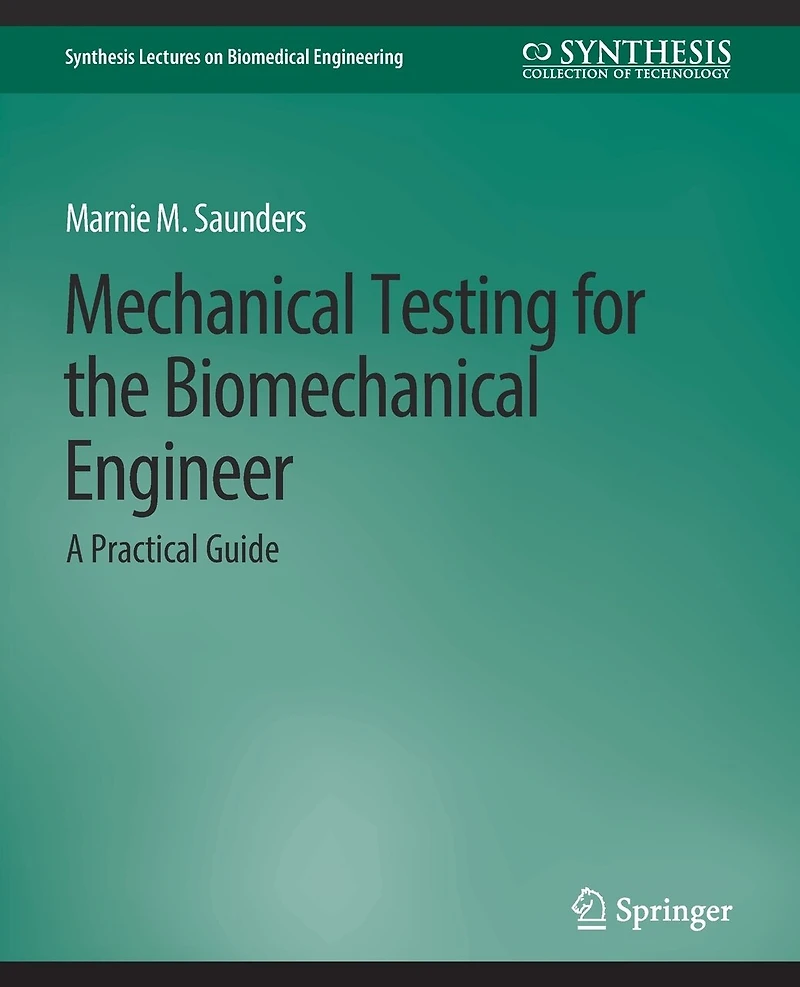
Mechanical Testing for the Biomechanics Engineer: A Practical Guide
Current price: $71.50

Mechanical Testing for the Biomechanics Engineer: A Practical Guide
Current price: $71.50
Loading Inventory...
Size: Paperback
*Product information may vary - to confirm product availability, pricing, shipping and return information please contact Indigo
Mechanical testing is a useful tool in the field of biomechanics. Classic biomechanics employs mechanical testing for a variety of purposes. For instance, testing may be used to determine the mechanical properties of bone under a variety of loading modes and various conditions including age and disease state. In addition, testing may be used to assess fracture fixation procedures to justify clinical approaches. Mechanical testing may also be used to test implants and biomaterials to determine mechanical strength and appropriateness for clinical purposes. While the information from a mechanical test will vary, there are basics that need to be understood to properly conduct mechanical testing. This book will attempt to provide the reader not only with the basic theory of conducting mechanical testing, but will also focus on providing practical insights and examples.
Mechanical testing is a useful tool in the field of biomechanics. Classic biomechanics employs mechanical testing for a variety of purposes. For instance, testing may be used to determine the mechanical properties of bone under a variety of loading modes and various conditions including age and disease state. In addition, testing may be used to assess fracture fixation procedures to justify clinical approaches. Mechanical testing may also be used to test implants and biomaterials to determine mechanical strength and appropriateness for clinical purposes. While the information from a mechanical test will vary, there are basics that need to be understood to properly conduct mechanical testing. This book will attempt to provide the reader not only with the basic theory of conducting mechanical testing, but will also focus on providing practical insights and examples.
You May Also Like










More About Indigo at Erin Mills Town Centre
The largest book retailer in Canada also offers toys, music, home décor, gifts and lifestyle products. What's Inside...Books, Magazines, CD’s and DVD’s, Toys and Gifts, Home Accents, Electronics, Baby’s and Children’s Section, Bath and Body, Kitchen and Bedroom, Stationary Located outside in the exterior plaza.
5015 Glen Erin Dr, Mississauga, ON L5M 0R7, Canada
Find Indigo at Erin Mills Town Centre in Mississauga ON
Visit Indigo at Erin Mills Town Centre in Mississauga ON