

GIVE THE PERFECT GIFT
Erin Mills Town Centre Gift Cards are the perfect choice for your gift giving needs.Purchase gift cards at kiosks near the food court or centre court, at Guest Services, or click below to purchase online.PURCHASE HEREHome
Mechanical Ventilation Critical Care Transport
Indigo
Loading Inventory...
Mechanical Ventilation Critical Care Transport
Current price: $233.95

Mechanical Ventilation Critical Care Transport
Current price: $233.95
Loading Inventory...
Size: Hardcover
*Product information may vary - to confirm product availability, pricing, shipping and return information please contact Indigo
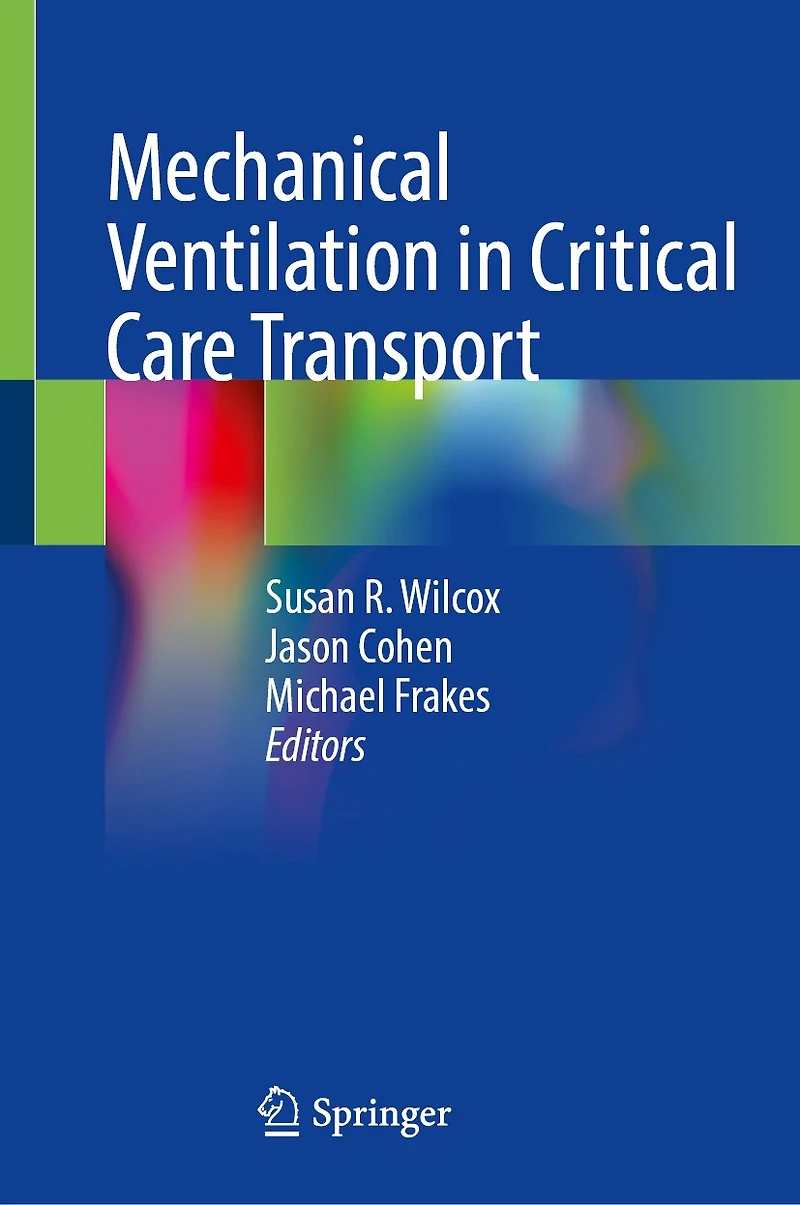
This book focuses on managing mechanical ventilation and its impact on physiology, primarily in the transport environment. Mechanical ventilation is one of the most common procedures in all critical care, including critical care transport. Yet the management of ventilation poses significant risks to the patient. In the transport environment, understanding the nuances of mechanical ventilation and its impact on physiology is extremely important. Respiratory therapists and critical care physicians are essential critical care team members, but they may not be available in austere or remote locations, and consultation may not always be practical. More than ever, transport clinicians are responsible for managing ventilators according to evidence-based principles. The objectives of this text are to:
Familiarize transport clinicians with common terms in mechanical ventilation,
Review key principles of pulmonary physiology relevant to both mechanical ventilation and specific to transport,
Understand the interpretation of blood gases as related to the management of the ventilated patient,
Discuss the basic principles of selecting ventilator settings,
Develop strategies for caring for ventilated patients with ARDS, asthma, COPD, trauma, and neurologic injury,
Provide information specific to caring for ventilated neonates and pediatric patients,
Assess and respond to emergencies during mechanical ventilation.
The book closes with a chapter of case studies, which are used to review the principles taught throughout the rest of the text, and a conclusion that neatly sums up the essential points of the book. Chapters are enhanced with diagrams, tables, illustrations, and photographs. All transport clinicians, including experienced nurses, paramedics, emergency medicine residents, physician assistants, nurse practitioners, and EMS fellows will find this book to be of great use. Additionally, clinicians who provide emergency care for ventilated patients outside the critical care transport setting, including paramedics, emergency nurses, emergency physicians, and hospitalists will find this text valuable.
This book focuses on managing mechanical ventilation and its impact on physiology, primarily in the transport environment. Mechanical ventilation is one of the most common procedures in all critical care, including critical care transport. Yet the management of ventilation poses significant risks to the patient. In the transport environment, understanding the nuances of mechanical ventilation and its impact on physiology is extremely important. Respiratory therapists and critical care physicians are essential critical care team members, but they may not be available in austere or remote locations, and consultation may not always be practical. More than ever, transport clinicians are responsible for managing ventilators according to evidence-based principles. The objectives of this text are to:
Familiarize transport clinicians with common terms in mechanical ventilation,
Review key principles of pulmonary physiology relevant to both mechanical ventilation and specific to transport,
Understand the interpretation of blood gases as related to the management of the ventilated patient,
Discuss the basic principles of selecting ventilator settings,
Develop strategies for caring for ventilated patients with ARDS, asthma, COPD, trauma, and neurologic injury,
Provide information specific to caring for ventilated neonates and pediatric patients,
Assess and respond to emergencies during mechanical ventilation.
The book closes with a chapter of case studies, which are used to review the principles taught throughout the rest of the text, and a conclusion that neatly sums up the essential points of the book. Chapters are enhanced with diagrams, tables, illustrations, and photographs. All transport clinicians, including experienced nurses, paramedics, emergency medicine residents, physician assistants, nurse practitioners, and EMS fellows will find this book to be of great use. Additionally, clinicians who provide emergency care for ventilated patients outside the critical care transport setting, including paramedics, emergency nurses, emergency physicians, and hospitalists will find this text valuable.
You May Also Like







More About Indigo at Erin Mills Town Centre
The largest book retailer in Canada also offers toys, music, home décor, gifts and lifestyle products. What's Inside...Books, Magazines, CD’s and DVD’s, Toys and Gifts, Home Accents, Electronics, Baby’s and Children’s Section, Bath and Body, Kitchen and Bedroom, Stationary Located outside in the exterior plaza.
5015 Glen Erin Dr, Mississauga, ON L5M 0R7, Canada
Find Indigo at Erin Mills Town Centre in Mississauga ON
Visit Indigo at Erin Mills Town Centre in Mississauga ON