

GIVE THE PERFECT GIFT
Erin Mills Town Centre Gift Cards are the perfect choice for your gift giving needs.Purchase gift cards at kiosks near the food court or centre court, at Guest Services, or click below to purchase online.PURCHASE HEREHome
Medea
Indigo
Loading Inventory...
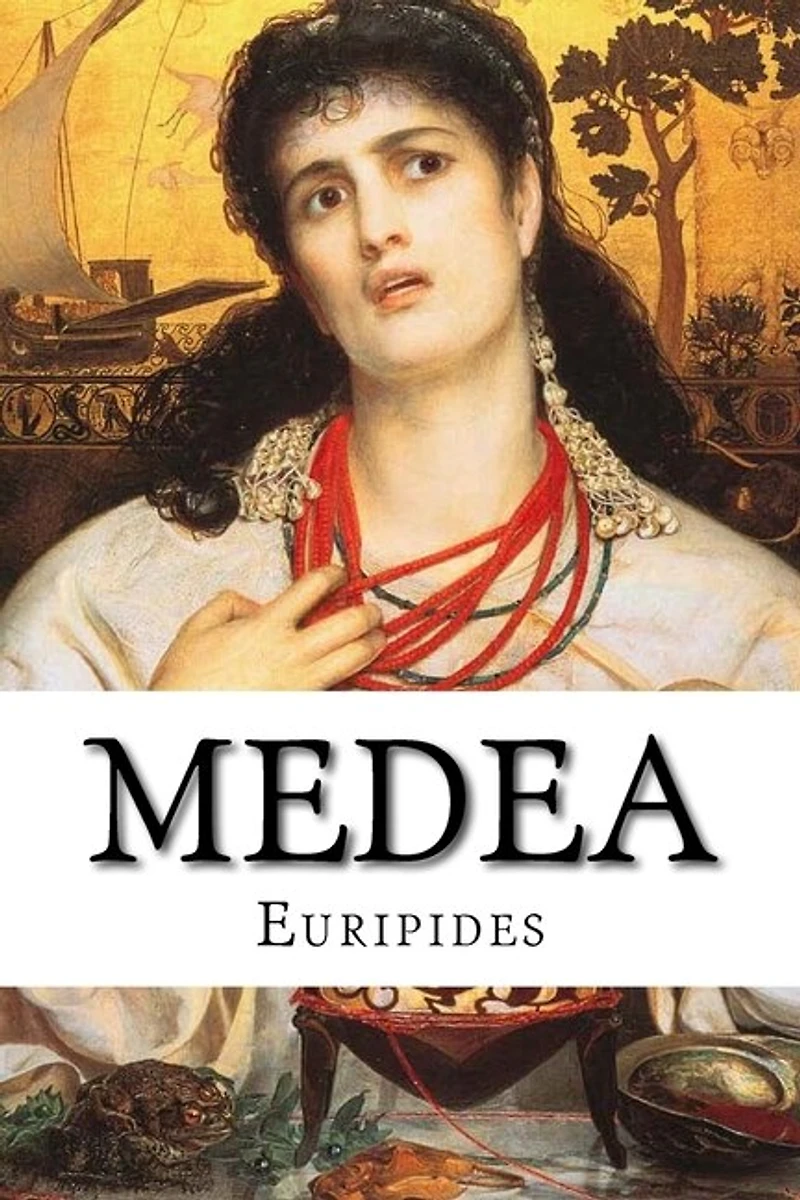
Medea
Current price: $6.95

Medea
Current price: $6.95
Loading Inventory...
Size: Paperback
*Product information may vary - to confirm product availability, pricing, shipping and return information please contact Indigo
The Medea, in spite of its background of wonder and enchantment, is not a romantic play but a tragedy of character and situation. It deals, so to speak, not with the romance itself, but with the end of the romance, a thing which is so terribly often the reverse of romantic. For all but the very highest of romances are apt to have just one flaw somewhere, and in the story of Jason and Medea the flaw was of a fatal kind. The wildness and beauty of the Argo legend run through all Greek literature, from the mass of Corinthian lays older than our present Iliad, which later writers vaguely associate with the name of Eumêlus, to the Fourth Pythian Ode of Pindar and the beautiful Argonautica of Apollonius Rhodius. Our poet knows the wildness and the beauty; but it is not these qualities that he specially seeks. He takes them almost for granted, and pierces through them to the sheer tragedy that lies below.
The Medea, in spite of its background of wonder and enchantment, is not a romantic play but a tragedy of character and situation. It deals, so to speak, not with the romance itself, but with the end of the romance, a thing which is so terribly often the reverse of romantic. For all but the very highest of romances are apt to have just one flaw somewhere, and in the story of Jason and Medea the flaw was of a fatal kind. The wildness and beauty of the Argo legend run through all Greek literature, from the mass of Corinthian lays older than our present Iliad, which later writers vaguely associate with the name of Eumêlus, to the Fourth Pythian Ode of Pindar and the beautiful Argonautica of Apollonius Rhodius. Our poet knows the wildness and the beauty; but it is not these qualities that he specially seeks. He takes them almost for granted, and pierces through them to the sheer tragedy that lies below.
You May Also Like







More About Indigo at Erin Mills Town Centre
The largest book retailer in Canada also offers toys, music, home décor, gifts and lifestyle products. What's Inside...Books, Magazines, CD’s and DVD’s, Toys and Gifts, Home Accents, Electronics, Baby’s and Children’s Section, Bath and Body, Kitchen and Bedroom, Stationary Located outside in the exterior plaza.
5015 Glen Erin Dr, Mississauga, ON L5M 0R7, Canada
Find Indigo at Erin Mills Town Centre in Mississauga ON
Visit Indigo at Erin Mills Town Centre in Mississauga ON