

GIVE THE PERFECT GIFT
Erin Mills Town Centre Gift Cards are the perfect choice for your gift giving needs.Purchase gift cards at kiosks near the food court or centre court, at Guest Services, or click below to purchase online.PURCHASE HEREHome
Mediatized Taiwanese Mandarin: Popular Culture, Masculinity, And Social Perceptions
Indigo
Loading Inventory...
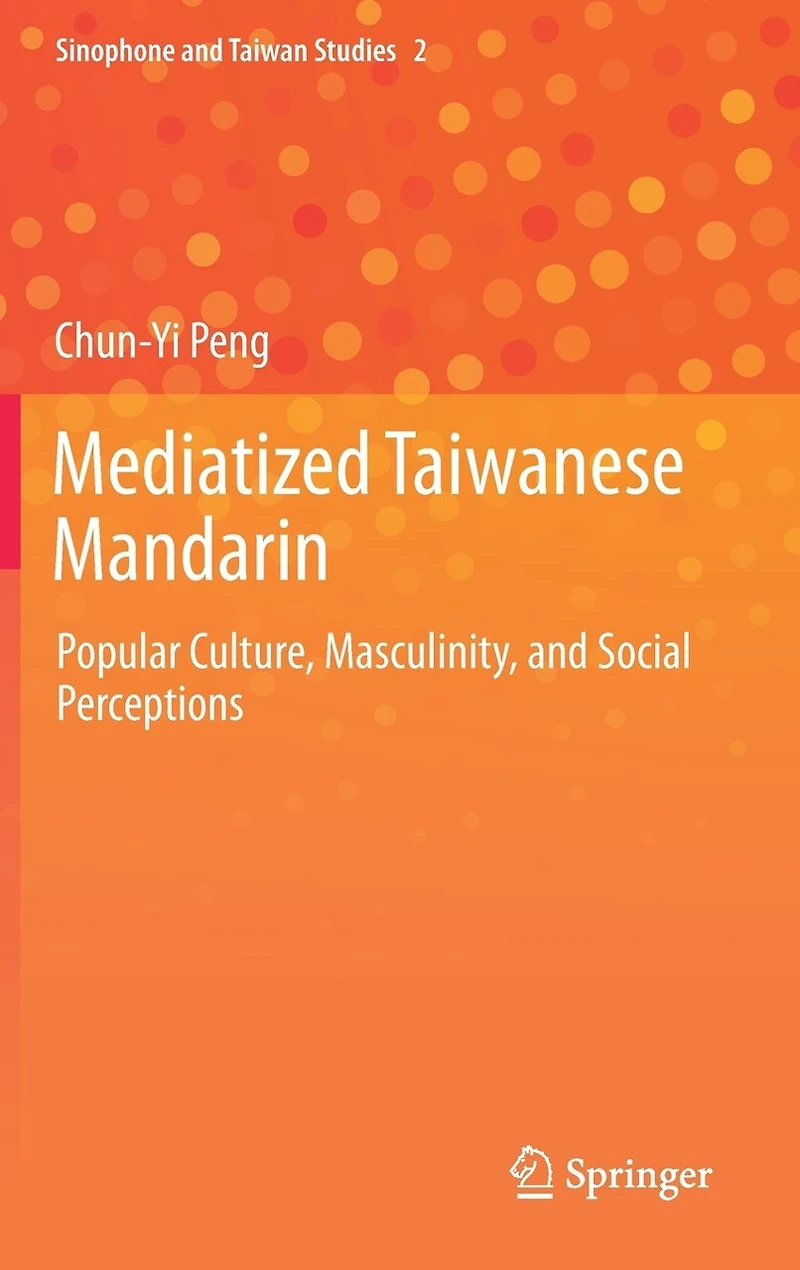
Mediatized Taiwanese Mandarin: Popular Culture, Masculinity, And Social Perceptions
Current price: $175.50

Mediatized Taiwanese Mandarin: Popular Culture, Masculinity, And Social Perceptions
Current price: $175.50
Loading Inventory...
Size: Hardcover
*Product information may vary - to confirm product availability, pricing, shipping and return information please contact Indigo
This book explores how language ideologies have emerged for gangtaiqiang through a combination of indexical and ideological processes in televised media. Gangtaiqiang (Hong Kong-Taiwan accent), a socially recognizable form of mediatized Taiwanese Mandarin, has become a stereotype for many Chinese mainlanders who have little real-life interaction with Taiwanese people. Using both qualitative and quantitative approaches, the author examines how Chinese millennials perceive gangtaiqiang by focusing on the following questions: 1) the role of televised media in the formation of language attitudes, and 2) how shifting gender ideologies are performed and embodied such attitudes. This book presents empirical evidence to argue that gangtaiqiang should, in fact, be conceptualized as a mediatized variety of Mandarin, rather than the actual speech of people in Hong Kong or Taiwan. The analyses in this book point to an emerging realignment among the Chinese towards gangtaiqiang, a variety traditionally associated with chic, urban television celebrities and young cosmopolitan types. In contrast to Beijing Mandarin, Taiwanese Mandarin is now perceived to be pretentious, babyish, and emasculated, mirroring the power dynamics between Taiwan and China.
This book explores how language ideologies have emerged for gangtaiqiang through a combination of indexical and ideological processes in televised media. Gangtaiqiang (Hong Kong-Taiwan accent), a socially recognizable form of mediatized Taiwanese Mandarin, has become a stereotype for many Chinese mainlanders who have little real-life interaction with Taiwanese people. Using both qualitative and quantitative approaches, the author examines how Chinese millennials perceive gangtaiqiang by focusing on the following questions: 1) the role of televised media in the formation of language attitudes, and 2) how shifting gender ideologies are performed and embodied such attitudes. This book presents empirical evidence to argue that gangtaiqiang should, in fact, be conceptualized as a mediatized variety of Mandarin, rather than the actual speech of people in Hong Kong or Taiwan. The analyses in this book point to an emerging realignment among the Chinese towards gangtaiqiang, a variety traditionally associated with chic, urban television celebrities and young cosmopolitan types. In contrast to Beijing Mandarin, Taiwanese Mandarin is now perceived to be pretentious, babyish, and emasculated, mirroring the power dynamics between Taiwan and China.
You May Also Like









More About Indigo at Erin Mills Town Centre
The largest book retailer in Canada also offers toys, music, home décor, gifts and lifestyle products. What's Inside...Books, Magazines, CD’s and DVD’s, Toys and Gifts, Home Accents, Electronics, Baby’s and Children’s Section, Bath and Body, Kitchen and Bedroom, Stationary Located outside in the exterior plaza.
5015 Glen Erin Dr, Mississauga, ON L5M 0R7, Canada
Find Indigo at Erin Mills Town Centre in Mississauga ON
Visit Indigo at Erin Mills Town Centre in Mississauga ON