

GIVE THE PERFECT GIFT
Erin Mills Town Centre Gift Cards are the perfect choice for your gift giving needs.Purchase gift cards at kiosks near the food court or centre court, at Guest Services, or click below to purchase online.PURCHASE HEREHome
Medieval Antisemitism?
Indigo
Loading Inventory...
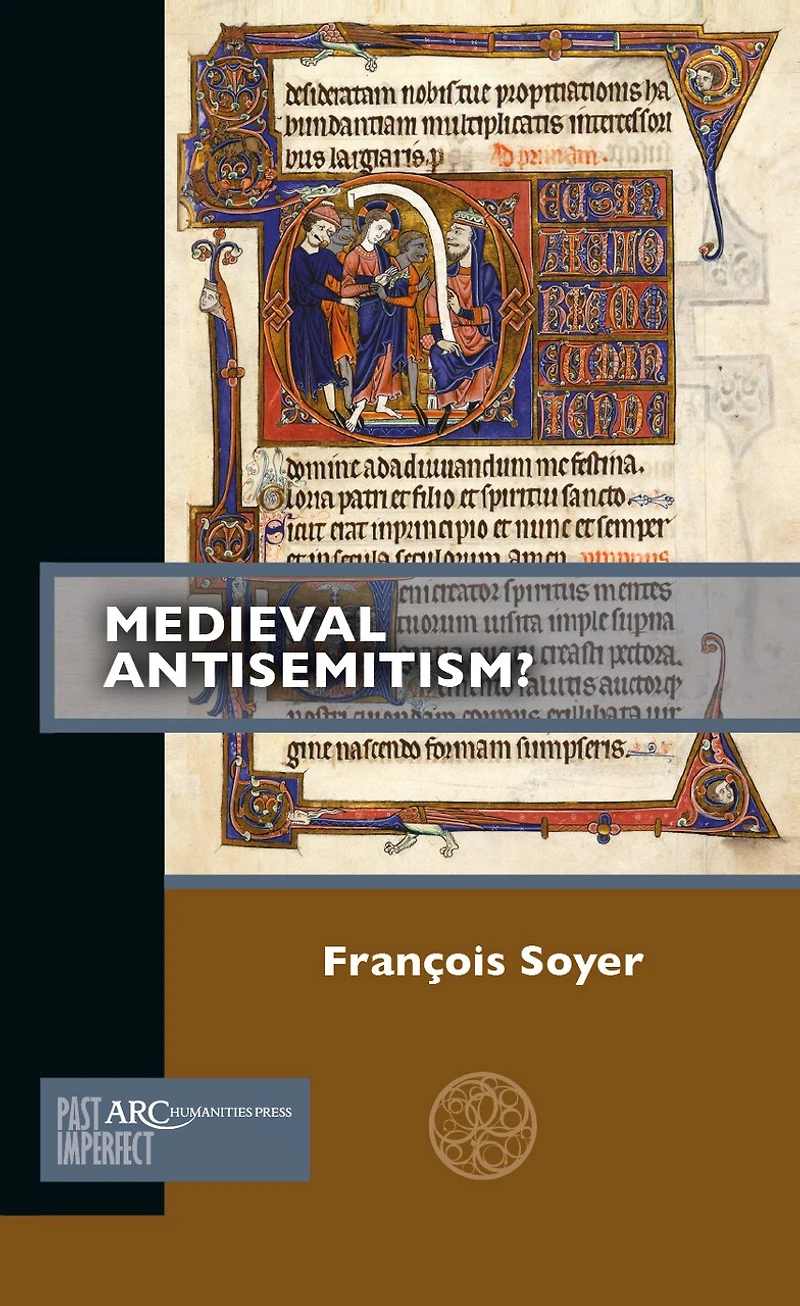
Medieval Antisemitism?
Current price: $28.18

Medieval Antisemitism?
Current price: $28.18
Loading Inventory...
Size: Paperback
*Product information may vary - to confirm product availability, pricing, shipping and return information please contact Indigo
Is it possible to talk about antisemitism in the Middle Ages before the appearance of scientific concepts of "race"? In this work, François Soyer examines the nature of medieval anti-Jewish sentiment and violence. Analysing developments in Europe between 1100 and 1500, he points to the tensions in medieval anti-Jewish thought amongst thinkers who hoped to convert Jews and blamed Talmudic scholarship for their obduracy and yet who also, conversely, often essentialized Judaism to the point that it transformed into the functional equivalent of the modern concept of race. In a nuanced manner, he argues that, just as many historians now refer to "racisms" in the plural, we should not consider antisemitism as a monolithic concept but accept the existence of independent historical meanings and thus of antisemitisms (plural), including "medieval antisemitism" as distinct from anti-Judaism.
Is it possible to talk about antisemitism in the Middle Ages before the appearance of scientific concepts of "race"? In this work, François Soyer examines the nature of medieval anti-Jewish sentiment and violence. Analysing developments in Europe between 1100 and 1500, he points to the tensions in medieval anti-Jewish thought amongst thinkers who hoped to convert Jews and blamed Talmudic scholarship for their obduracy and yet who also, conversely, often essentialized Judaism to the point that it transformed into the functional equivalent of the modern concept of race. In a nuanced manner, he argues that, just as many historians now refer to "racisms" in the plural, we should not consider antisemitism as a monolithic concept but accept the existence of independent historical meanings and thus of antisemitisms (plural), including "medieval antisemitism" as distinct from anti-Judaism.
You May Also Like







More About Indigo at Erin Mills Town Centre
The largest book retailer in Canada also offers toys, music, home décor, gifts and lifestyle products. What's Inside...Books, Magazines, CD’s and DVD’s, Toys and Gifts, Home Accents, Electronics, Baby’s and Children’s Section, Bath and Body, Kitchen and Bedroom, Stationary Located outside in the exterior plaza.
5015 Glen Erin Dr, Mississauga, ON L5M 0R7, Canada
Find Indigo at Erin Mills Town Centre in Mississauga ON
Visit Indigo at Erin Mills Town Centre in Mississauga ON