

GIVE THE PERFECT GIFT
Erin Mills Town Centre Gift Cards are the perfect choice for your gift giving needs.Purchase gift cards at kiosks near the food court or centre court, at Guest Services, or click below to purchase online.PURCHASE HEREHome
Melmoth the Wanderer: A Gothic Tale of Sin, Redemption and Temptation
Indigo
Loading Inventory...
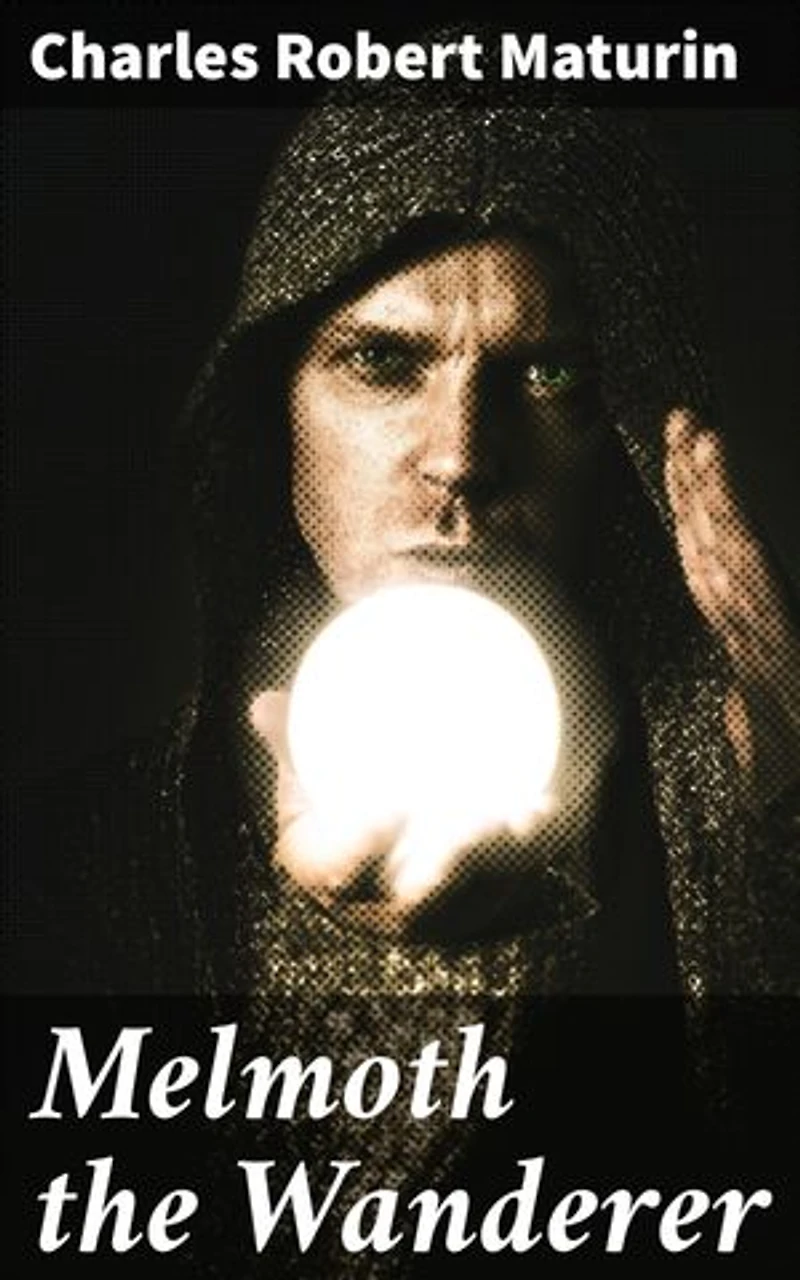
Melmoth the Wanderer: A Gothic Tale of Sin, Redemption and Temptation
Current price: $2.99

Melmoth the Wanderer: A Gothic Tale of Sin, Redemption and Temptation
Current price: $2.99
Loading Inventory...
Size: Kobo eBook
*Product information may vary - to confirm product availability, pricing, shipping and return information please contact Indigo
In "Melmoth the Wanderer," Charles Robert Maturin crafts a complex narrative steeped in the Gothic tradition, intertwining themes of despair, existential dread, and the search for redemption. Through the tale of Melmoth, a man who sells his soul for extended life, Maturin explores the consequences of transgression and the burdens of immortality. The novel's stylistic richness, characterized by intricate language, vivid imagery, and psychological depth, situates it within the broader Romantic movement, challenging contemporary notions of morality and identity. Its framing narratives and philosophical underpinnings invite readers to contemplate the nature of evil and human resilience against overwhelming odds. Maturin, a man of varied interests and a deep understanding of religious and existential questions, drew from his own struggles with identity and societal expectations, which undoubtedly influenced his writing. As a clergyman's son and a member of the Dublin literary scene, Maturin was exposed to diverse philosophical discourses, leading him to grapple with themes of isolation and the human condition. His personal experiences of familial and societal dislocation resonate with Melmoth's own tragic journey, infusing the narrative with authentic emotional weight. I highly recommend "Melmoth the Wanderer" to readers who appreciate rich literary tapestries woven with dark, philosophical insights. Its enduring relevance and unique exploration of human nature make it a compelling read for anyone interested in the complexities of the human psyche and the moral quandaries of existence. Maturin's masterful prose and haunting narrative will linger in the minds of readers long after they turn the last page.
In "Melmoth the Wanderer," Charles Robert Maturin crafts a complex narrative steeped in the Gothic tradition, intertwining themes of despair, existential dread, and the search for redemption. Through the tale of Melmoth, a man who sells his soul for extended life, Maturin explores the consequences of transgression and the burdens of immortality. The novel's stylistic richness, characterized by intricate language, vivid imagery, and psychological depth, situates it within the broader Romantic movement, challenging contemporary notions of morality and identity. Its framing narratives and philosophical underpinnings invite readers to contemplate the nature of evil and human resilience against overwhelming odds. Maturin, a man of varied interests and a deep understanding of religious and existential questions, drew from his own struggles with identity and societal expectations, which undoubtedly influenced his writing. As a clergyman's son and a member of the Dublin literary scene, Maturin was exposed to diverse philosophical discourses, leading him to grapple with themes of isolation and the human condition. His personal experiences of familial and societal dislocation resonate with Melmoth's own tragic journey, infusing the narrative with authentic emotional weight. I highly recommend "Melmoth the Wanderer" to readers who appreciate rich literary tapestries woven with dark, philosophical insights. Its enduring relevance and unique exploration of human nature make it a compelling read for anyone interested in the complexities of the human psyche and the moral quandaries of existence. Maturin's masterful prose and haunting narrative will linger in the minds of readers long after they turn the last page.
You May Also Like







More About Indigo at Erin Mills Town Centre
The largest book retailer in Canada also offers toys, music, home décor, gifts and lifestyle products. What's Inside...Books, Magazines, CD’s and DVD’s, Toys and Gifts, Home Accents, Electronics, Baby’s and Children’s Section, Bath and Body, Kitchen and Bedroom, Stationary Located outside in the exterior plaza.
5015 Glen Erin Dr, Mississauga, ON L5M 0R7, Canada
Find Indigo at Erin Mills Town Centre in Mississauga ON
Visit Indigo at Erin Mills Town Centre in Mississauga ON