

GIVE THE PERFECT GIFT
Erin Mills Town Centre Gift Cards are the perfect choice for your gift giving needs.Purchase gift cards at kiosks near the food court or centre court, at Guest Services, or click below to purchase online.PURCHASE HEREHome
Memory Laws and Historical Justice: the Politics of Criminalizing Past
Indigo
Loading Inventory...
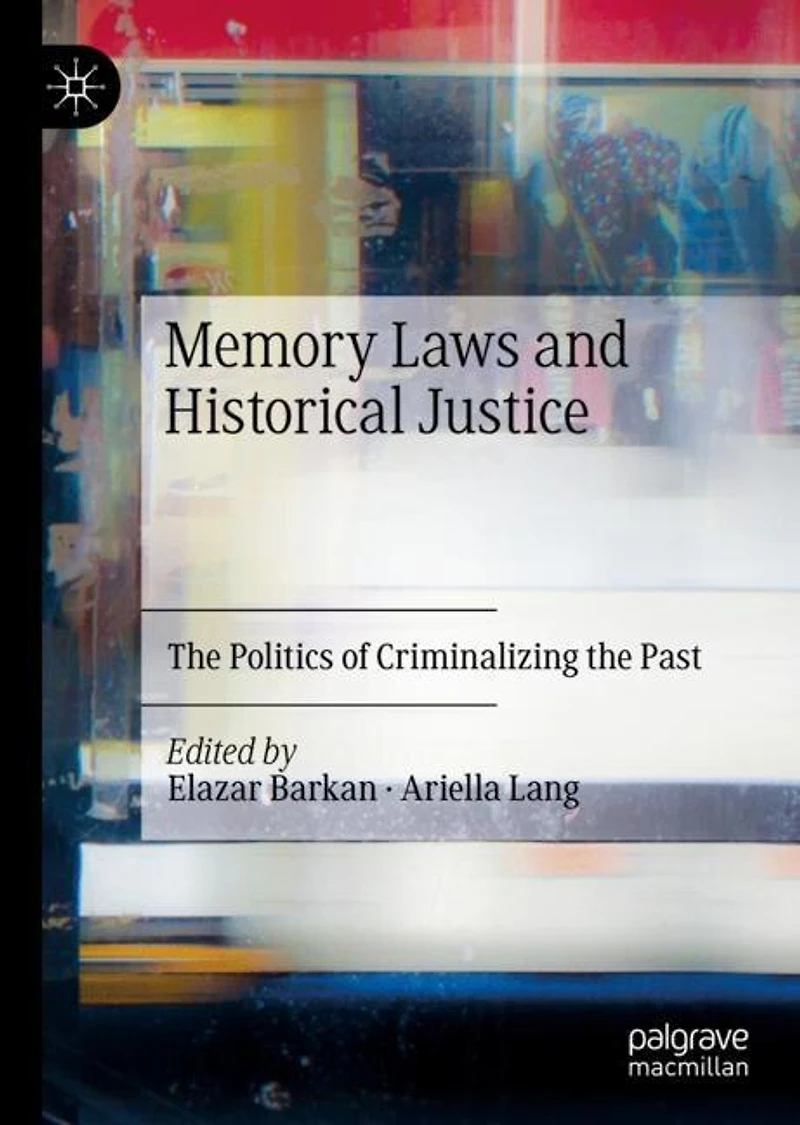
Memory Laws and Historical Justice: the Politics of Criminalizing Past
Current price: $175.50

Memory Laws and Historical Justice: the Politics of Criminalizing Past
Current price: $175.50
Loading Inventory...
Size: Hardcover
*Product information may vary - to confirm product availability, pricing, shipping and return information please contact Indigo
This book examines state efforts to shape the public memory of past atrocities in the service of nationalist politics. This political engagement with the 'duty to remember', and the question of historical memory and identity politics, began as an effort to confront denialism with regard to the Holocaust, but now extends well beyond that framework, and has become a contentious subject in many countries. In exploring the politics of memory laws, a topic that has been overlooked in the largely legal analyses surrounding this phenomenon, this volume traces the spread of memory laws from their origins in Western Europe to their adoption by countries around the world. The work illustrates how memory laws have become a widespread tool of governments with a nationalist, majoritarian outlook. Indeed, as this volume illustrates, in countries that move from pluralism to majoritarianism, memory laws serve as a warning - a precursor to increasingly repressive, nationalist inclinations.
This book examines state efforts to shape the public memory of past atrocities in the service of nationalist politics. This political engagement with the 'duty to remember', and the question of historical memory and identity politics, began as an effort to confront denialism with regard to the Holocaust, but now extends well beyond that framework, and has become a contentious subject in many countries. In exploring the politics of memory laws, a topic that has been overlooked in the largely legal analyses surrounding this phenomenon, this volume traces the spread of memory laws from their origins in Western Europe to their adoption by countries around the world. The work illustrates how memory laws have become a widespread tool of governments with a nationalist, majoritarian outlook. Indeed, as this volume illustrates, in countries that move from pluralism to majoritarianism, memory laws serve as a warning - a precursor to increasingly repressive, nationalist inclinations.
You May Also Like









More About Indigo at Erin Mills Town Centre
The largest book retailer in Canada also offers toys, music, home décor, gifts and lifestyle products. What's Inside...Books, Magazines, CD’s and DVD’s, Toys and Gifts, Home Accents, Electronics, Baby’s and Children’s Section, Bath and Body, Kitchen and Bedroom, Stationary Located outside in the exterior plaza.
5015 Glen Erin Dr, Mississauga, ON L5M 0R7, Canada
Find Indigo at Erin Mills Town Centre in Mississauga ON
Visit Indigo at Erin Mills Town Centre in Mississauga ON