

GIVE THE PERFECT GIFT
Erin Mills Town Centre Gift Cards are the perfect choice for your gift giving needs.Purchase gift cards at kiosks near the food court or centre court, at Guest Services, or click below to purchase online.PURCHASE HEREHome
Men, ideas and tanks: British Military Thought And Armoured Forces, 1903?39
Indigo
Loading Inventory...
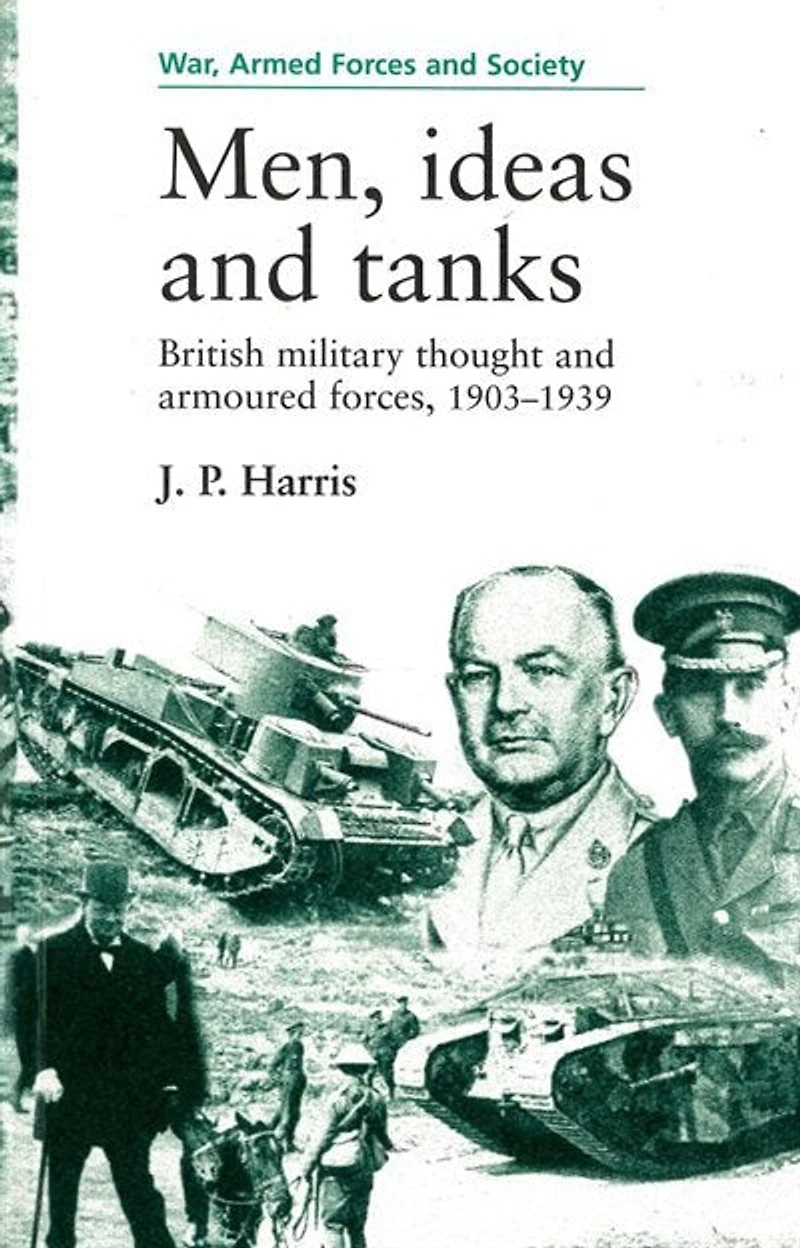
Men, ideas and tanks: British Military Thought And Armoured Forces, 1903?39
Current price: $39.99

Men, ideas and tanks: British Military Thought And Armoured Forces, 1903?39
Current price: $39.99
Loading Inventory...
Size: Paperback
*Product information may vary - to confirm product availability, pricing, shipping and return information please contact Indigo
Men, ideas and tanks reviews the development of British military ideas on armoured forces from 1903 to 1939. Great Britain was the nation which first developed the tank, first used it in action and first gained dramatic results by employment. The British continued to be world leaders in the field of mechanised warfare until the early 1930s.
J. P. Harris offers strikingly new interpretations of the early history of British armoured forces and explains why Great Britain had lost the lead by the outbreak of the Second World War.
Available in paperback once more, this work will be of interest to all those concerned with British military history in the first half of the twentieth century, with the history of mechanised warfare and with the history of military thought.
Men, ideas and tanks reviews the development of British military ideas on armoured forces from 1903 to 1939. Great Britain was the nation which first developed the tank, first used it in action and first gained dramatic results by employment. The British continued to be world leaders in the field of mechanised warfare until the early 1930s.
J. P. Harris offers strikingly new interpretations of the early history of British armoured forces and explains why Great Britain had lost the lead by the outbreak of the Second World War.
Available in paperback once more, this work will be of interest to all those concerned with British military history in the first half of the twentieth century, with the history of mechanised warfare and with the history of military thought.
You May Also Like









More About Indigo at Erin Mills Town Centre
The largest book retailer in Canada also offers toys, music, home décor, gifts and lifestyle products. What's Inside...Books, Magazines, CD’s and DVD’s, Toys and Gifts, Home Accents, Electronics, Baby’s and Children’s Section, Bath and Body, Kitchen and Bedroom, Stationary Located outside in the exterior plaza.
5015 Glen Erin Dr, Mississauga, ON L5M 0R7, Canada
Find Indigo at Erin Mills Town Centre in Mississauga ON
Visit Indigo at Erin Mills Town Centre in Mississauga ON