

GIVE THE PERFECT GIFT
Erin Mills Town Centre Gift Cards are the perfect choice for your gift giving needs.Purchase gift cards at kiosks near the food court or centre court, at Guest Services, or click below to purchase online.PURCHASE HEREHome
Merging Clinical Social Work Practice and Antiracist Positioning: How to be a Clinically Sound, Practitioner
Indigo
Loading Inventory...
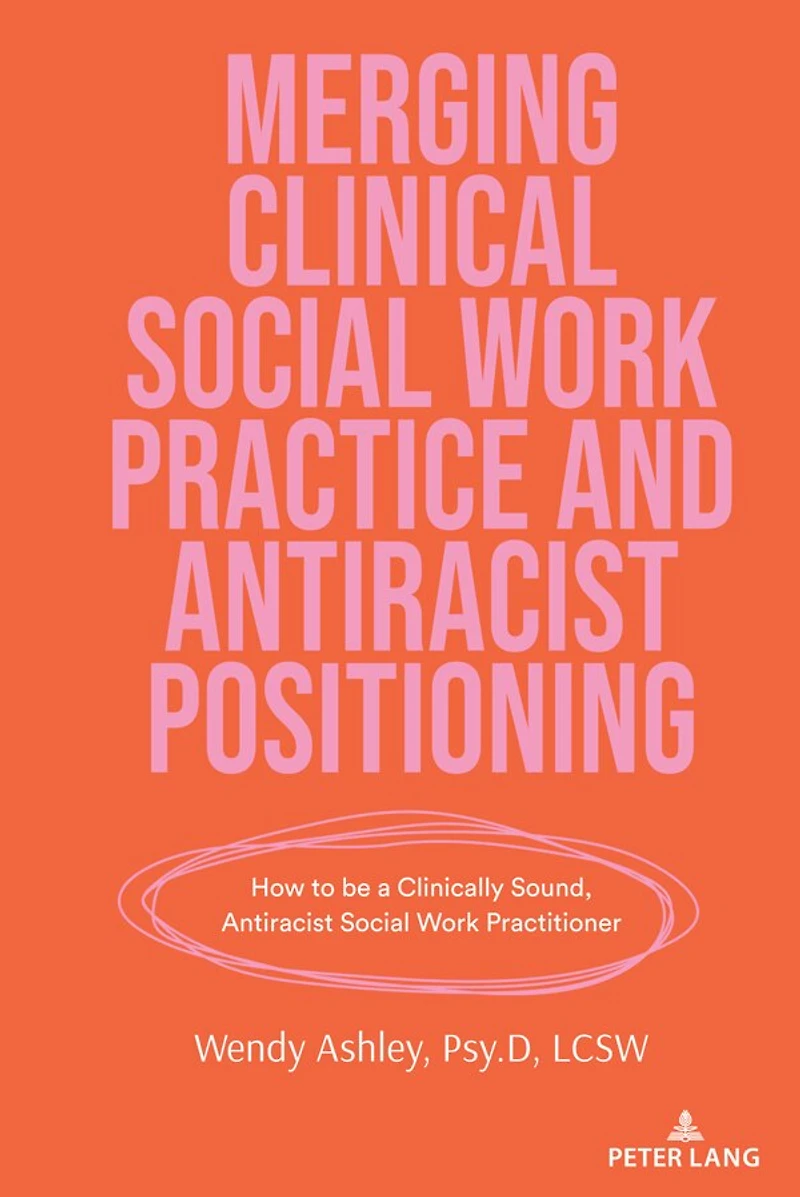

Merging Clinical Social Work Practice and Antiracist Positioning: How to be a Clinically Sound, Practitioner
Current price: $181.95

Merging Clinical Social Work Practice and Antiracist Positioning: How to be a Clinically Sound, Practitioner
Current price: $181.95
Loading Inventory...
Size: Hardcover
*Product information may vary - to confirm product availability, pricing, shipping and return information please contact Indigo
This textbook blends key social work competencies (engagement, assessment, treatment planning, risk assessment, intervention, termination, and evaluation) with an anti-oppressive, antiracist, trauma-informed, clinical approach. It offers information and knowledge on anti-oppressive clinical practice and teaches skills to facilitate effective antiracist service provision.
Each chapter provides basic knowledge, followed by reflective questions and exercises for critical analysis, case examples for practical application, and tools for implementing these skills. Social workers need to understand clinical theory and develop practice skills with clients, families, and communities who have experienced historical trauma, systemic oppression, and multiple intersectional identities. Learning how to increase practitioner self-awareness, engage in strategic action, and improve accountability are the beginnings of an antiracist clinical practice.
This textbook blends key social work competencies (engagement, assessment, treatment planning, risk assessment, intervention, termination, and evaluation) with an anti-oppressive, antiracist, trauma-informed, clinical approach. It offers information and knowledge on anti-oppressive clinical practice and teaches skills to facilitate effective antiracist service provision.
Each chapter provides basic knowledge, followed by reflective questions and exercises for critical analysis, case examples for practical application, and tools for implementing these skills. Social workers need to understand clinical theory and develop practice skills with clients, families, and communities who have experienced historical trauma, systemic oppression, and multiple intersectional identities. Learning how to increase practitioner self-awareness, engage in strategic action, and improve accountability are the beginnings of an antiracist clinical practice.
You May Also Like












More About Indigo at Erin Mills Town Centre
The largest book retailer in Canada also offers toys, music, home décor, gifts and lifestyle products. What's Inside...Books, Magazines, CD’s and DVD’s, Toys and Gifts, Home Accents, Electronics, Baby’s and Children’s Section, Bath and Body, Kitchen and Bedroom, Stationary Located outside in the exterior plaza.
5015 Glen Erin Dr, Mississauga, ON L5M 0R7, Canada
Find Indigo at Erin Mills Town Centre in Mississauga ON
Visit Indigo at Erin Mills Town Centre in Mississauga ON