

GIVE THE PERFECT GIFT
Erin Mills Town Centre Gift Cards are the perfect choice for your gift giving needs.Purchase gift cards at kiosks near the food court or centre court, at Guest Services, or click below to purchase online.PURCHASE HEREHome
Mestizo Modernity: Race, Technology, And The Body Post-revolutionary Mexico
Indigo
Loading Inventory...
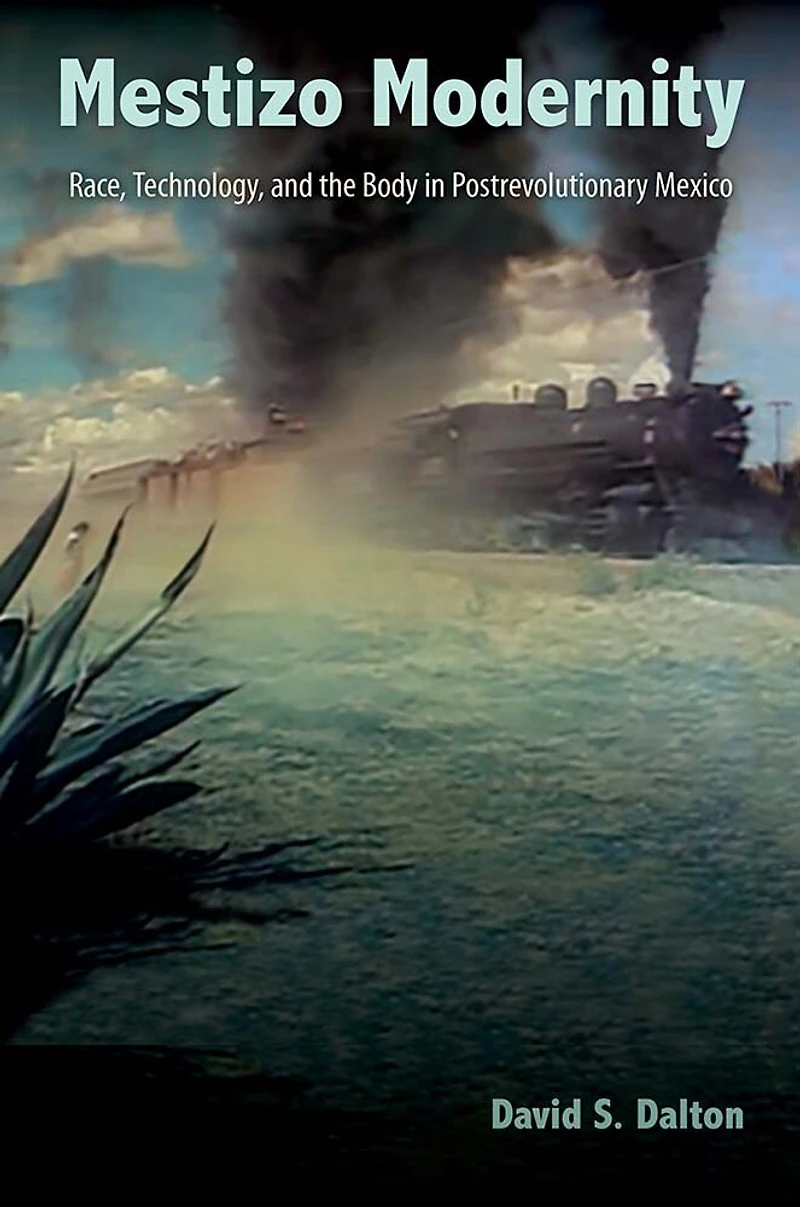
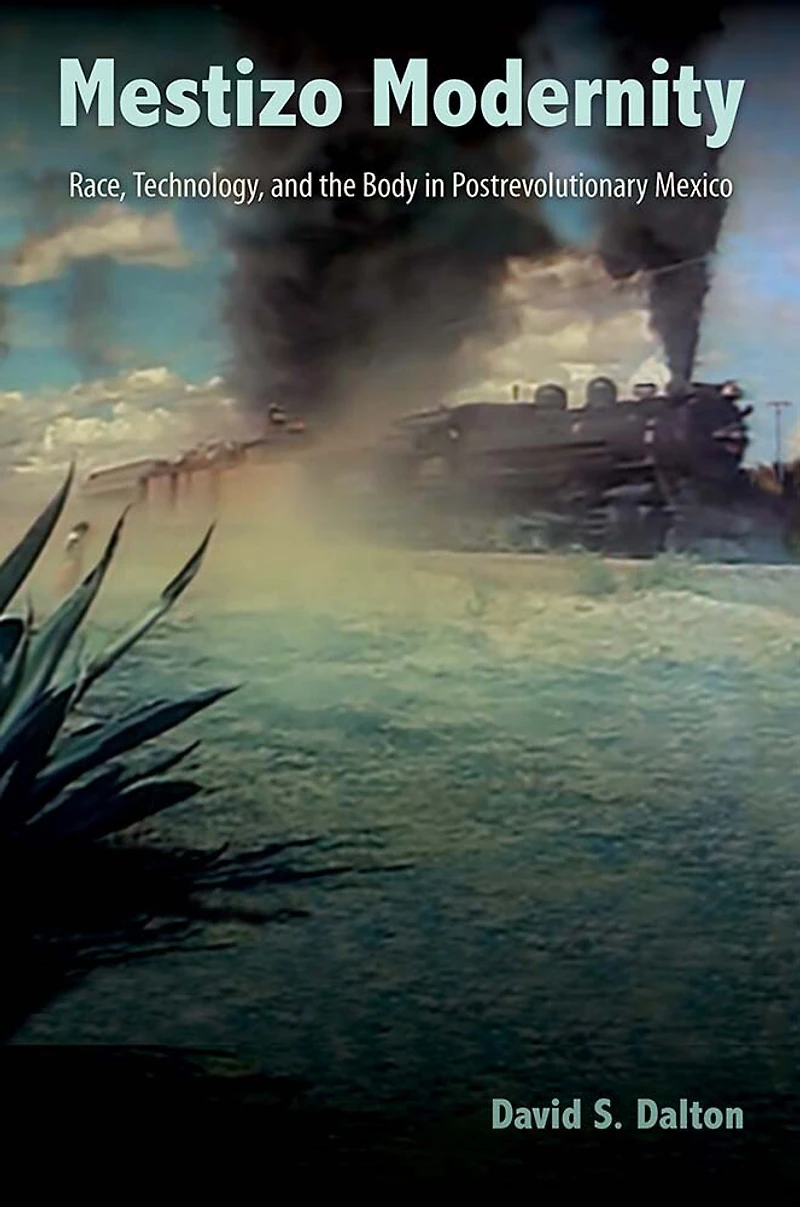
Mestizo Modernity: Race, Technology, And The Body Post-revolutionary Mexico
Current price: $106.00

Mestizo Modernity: Race, Technology, And The Body Post-revolutionary Mexico
Current price: $106.00
Loading Inventory...
Size: Hardcover
*Product information may vary - to confirm product availability, pricing, shipping and return information please contact Indigo
Honorable Mention, Latin American Studies Association Mexico Section Best Book in the Humanities
After the end of the Mexican Revolution in 1917, postrevolutionary leaders hoped to assimilate the country?s racially diverse population into one official mixed-race identity?the mestizo. This book shows that as part of this vision, the Mexican government believed it could modernize ?primitive? Indigenous peoples through technology in the form of education, modern medicine, industrial agriculture, and factory work. David Dalton takes a close look at how authors, artists, and thinkers?some state-funded, some independent?engaged with official views of Mexican racial identity from the 1920s to the 1970s.
Dalton surveys essays, plays, novels, murals, and films that portray indigenous bodies being fused, or hybridized, with technology. He examines Jos Vasconcelos?s essay ?The Cosmic Race? and the influence of its ideologies on mural artists such as Diego Rivera and Jos Clemente Orozco. He discusses the theme of introducing Amerindians to medical hygiene and immunizations in the films of Emilio ?El Indio? Fernndez. He analyzes the portrayal of indigenous monsters in the films of El Santo, as well as Carlos Olvera?s critique of postrevolutionary worldviews in the novel Mejicanos en el espacio .
Incorporating the perspectives of posthumanism and cyborg studies, Dalton shows that technology played a key role in race formation in Mexico throughout the twentieth century. This cutting-edge study offers fascinating new insights into the culture of mestizaje , illuminating the attitudes that inform Mexican race relations in the present day.
A volume in the series Reframing Media, Technology, and Culture in Latin/o America, edited by Hector Fernandez L'Hoeste and Juan Carlos Rodriguez
Honorable Mention, Latin American Studies Association Mexico Section Best Book in the Humanities
After the end of the Mexican Revolution in 1917, postrevolutionary leaders hoped to assimilate the country?s racially diverse population into one official mixed-race identity?the mestizo. This book shows that as part of this vision, the Mexican government believed it could modernize ?primitive? Indigenous peoples through technology in the form of education, modern medicine, industrial agriculture, and factory work. David Dalton takes a close look at how authors, artists, and thinkers?some state-funded, some independent?engaged with official views of Mexican racial identity from the 1920s to the 1970s.
Dalton surveys essays, plays, novels, murals, and films that portray indigenous bodies being fused, or hybridized, with technology. He examines Jos Vasconcelos?s essay ?The Cosmic Race? and the influence of its ideologies on mural artists such as Diego Rivera and Jos Clemente Orozco. He discusses the theme of introducing Amerindians to medical hygiene and immunizations in the films of Emilio ?El Indio? Fernndez. He analyzes the portrayal of indigenous monsters in the films of El Santo, as well as Carlos Olvera?s critique of postrevolutionary worldviews in the novel Mejicanos en el espacio .
Incorporating the perspectives of posthumanism and cyborg studies, Dalton shows that technology played a key role in race formation in Mexico throughout the twentieth century. This cutting-edge study offers fascinating new insights into the culture of mestizaje , illuminating the attitudes that inform Mexican race relations in the present day.
A volume in the series Reframing Media, Technology, and Culture in Latin/o America, edited by Hector Fernandez L'Hoeste and Juan Carlos Rodriguez
You May Also Like








More About Indigo at Erin Mills Town Centre
The largest book retailer in Canada also offers toys, music, home décor, gifts and lifestyle products. What's Inside...Books, Magazines, CD’s and DVD’s, Toys and Gifts, Home Accents, Electronics, Baby’s and Children’s Section, Bath and Body, Kitchen and Bedroom, Stationary Located outside in the exterior plaza.
5015 Glen Erin Dr, Mississauga, ON L5M 0R7, Canada
Find Indigo at Erin Mills Town Centre in Mississauga ON
Visit Indigo at Erin Mills Town Centre in Mississauga ON