

GIVE THE PERFECT GIFT
Erin Mills Town Centre Gift Cards are the perfect choice for your gift giving needs.Purchase gift cards at kiosks near the food court or centre court, at Guest Services, or click below to purchase online.PURCHASE HEREHome
Metaphor, Simile, Culture
Indigo
Loading Inventory...
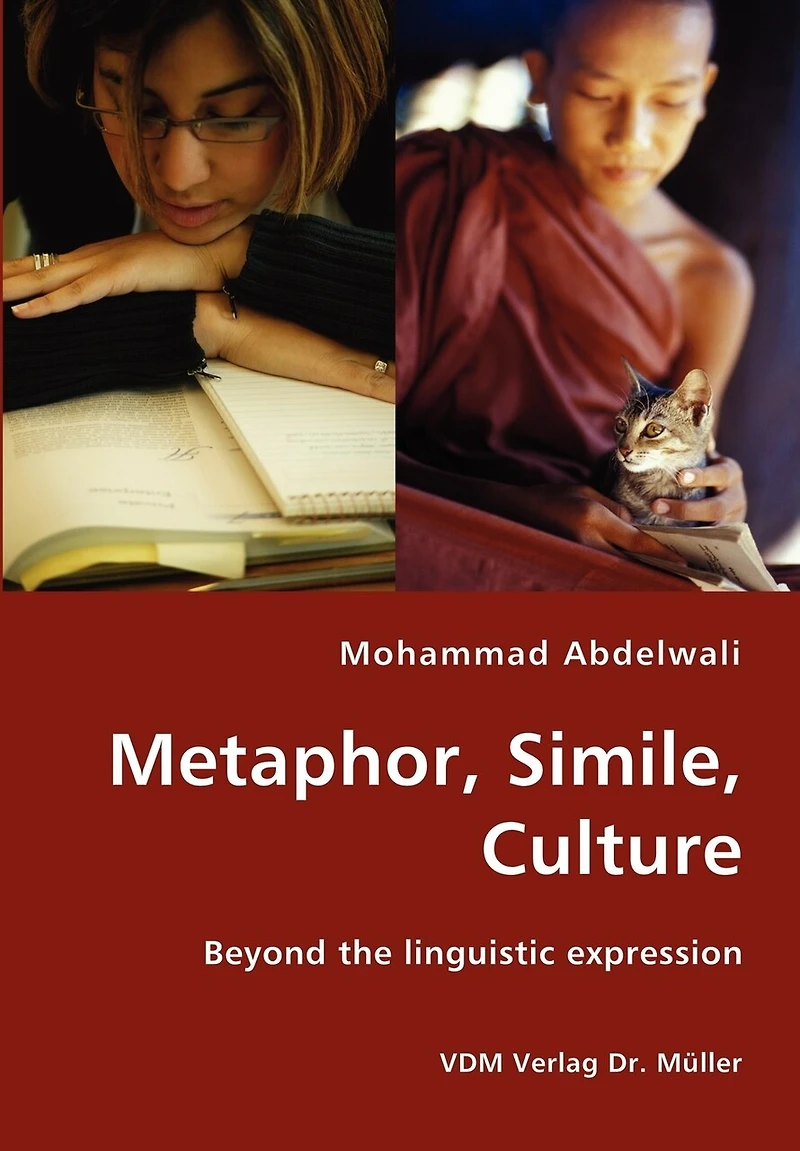
Metaphor, Simile, Culture
Current price: $68.95

Metaphor, Simile, Culture
Current price: $68.95
Loading Inventory...
Size: Paperback
*Product information may vary - to confirm product availability, pricing, shipping and return information please contact Indigo
A great deal of literature recognizes that metaphors exploit similarities. However, there is little empirical research on how people from different cul-tu-ral backgrounds perceive similarity in metaphor in its simplest form X (target) is Y (source). This study thus investigates the perception of similarity in me-ta-phors from two cultural backgrounds (Arabic speakers & English speakers). A major focus is set on how the distinction between metaphors and their re-la-ted similes culturally affects the way similarity is perceived. Given that simi-la-rity is a vacuous term since any two things can be similar in one way or an-other, this study sets three major parameters; physical, behavioural, and evaluative) against which the interpretations of the two cultural groups are weighed. The analysis should help to answer the following questions: - How consistently do American and Arabian university students interpret me-ta-phors and their related similes when the metaphors and similes are presented out of context?- Does the gender of the target term make a difference in in-terpreting metaphors and their structurally related similes?-How consistently do American and Arabian university students consider their interpretation of metaphors and similes to have a cultural origin?- What cues do the par-ti-ci-pant groups use in distinguishing metaphors from non - metaphors? This book is addressed to researchers in applied linguistics and culture, as well as teachers in multicultural settings. It is also addressed to curriculum de-signers and appreciators of figurative language.
A great deal of literature recognizes that metaphors exploit similarities. However, there is little empirical research on how people from different cul-tu-ral backgrounds perceive similarity in metaphor in its simplest form X (target) is Y (source). This study thus investigates the perception of similarity in me-ta-phors from two cultural backgrounds (Arabic speakers & English speakers). A major focus is set on how the distinction between metaphors and their re-la-ted similes culturally affects the way similarity is perceived. Given that simi-la-rity is a vacuous term since any two things can be similar in one way or an-other, this study sets three major parameters; physical, behavioural, and evaluative) against which the interpretations of the two cultural groups are weighed. The analysis should help to answer the following questions: - How consistently do American and Arabian university students interpret me-ta-phors and their related similes when the metaphors and similes are presented out of context?- Does the gender of the target term make a difference in in-terpreting metaphors and their structurally related similes?-How consistently do American and Arabian university students consider their interpretation of metaphors and similes to have a cultural origin?- What cues do the par-ti-ci-pant groups use in distinguishing metaphors from non - metaphors? This book is addressed to researchers in applied linguistics and culture, as well as teachers in multicultural settings. It is also addressed to curriculum de-signers and appreciators of figurative language.
You May Also Like








More About Indigo at Erin Mills Town Centre
The largest book retailer in Canada also offers toys, music, home décor, gifts and lifestyle products. What's Inside...Books, Magazines, CD’s and DVD’s, Toys and Gifts, Home Accents, Electronics, Baby’s and Children’s Section, Bath and Body, Kitchen and Bedroom, Stationary Located outside in the exterior plaza.
5015 Glen Erin Dr, Mississauga, ON L5M 0R7, Canada
Find Indigo at Erin Mills Town Centre in Mississauga ON
Visit Indigo at Erin Mills Town Centre in Mississauga ON