

GIVE THE PERFECT GIFT
Erin Mills Town Centre Gift Cards are the perfect choice for your gift giving needs.Purchase gift cards at kiosks near the food court or centre court, at Guest Services, or click below to purchase online.PURCHASE HEREHome
Migration the Time of Revolution: China, Indonesia, and Cold War
Indigo
Loading Inventory...
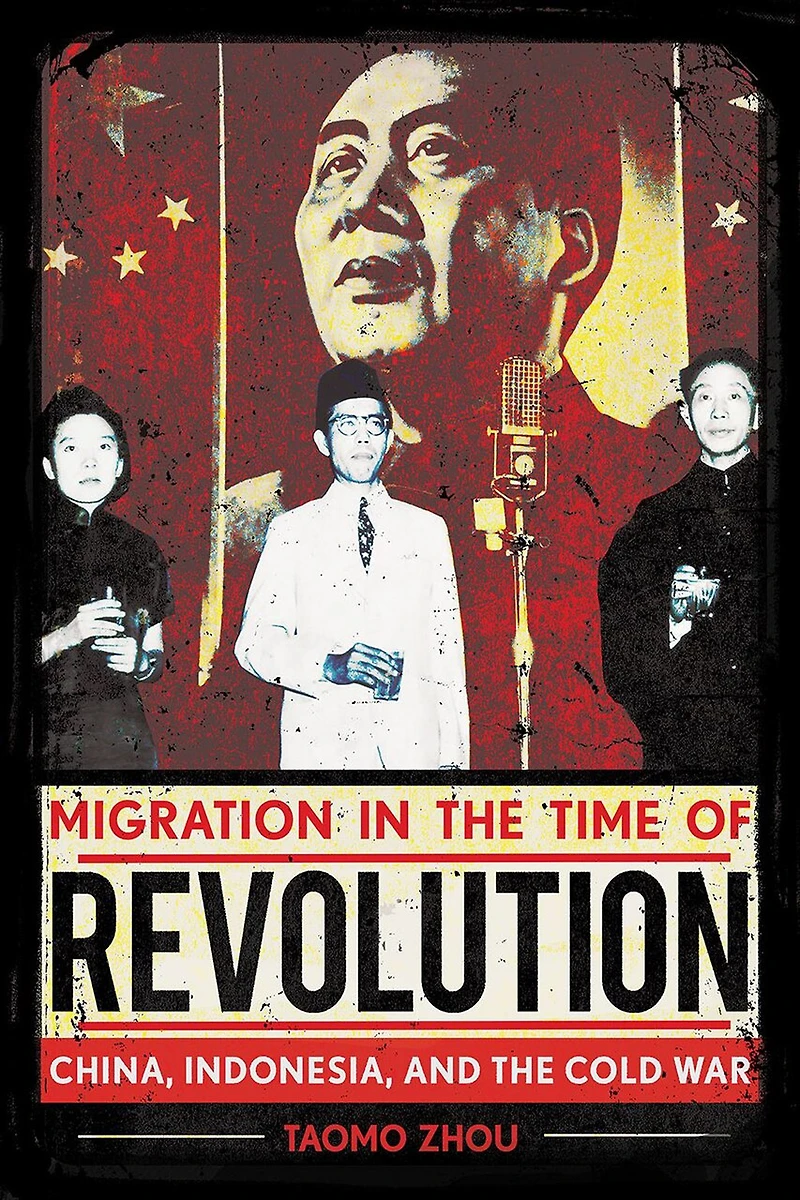
Migration the Time of Revolution: China, Indonesia, and Cold War
Current price: $198.99

Migration the Time of Revolution: China, Indonesia, and Cold War
Current price: $198.99
Loading Inventory...
Size: Hardcover
*Product information may vary - to confirm product availability, pricing, shipping and return information please contact Indigo
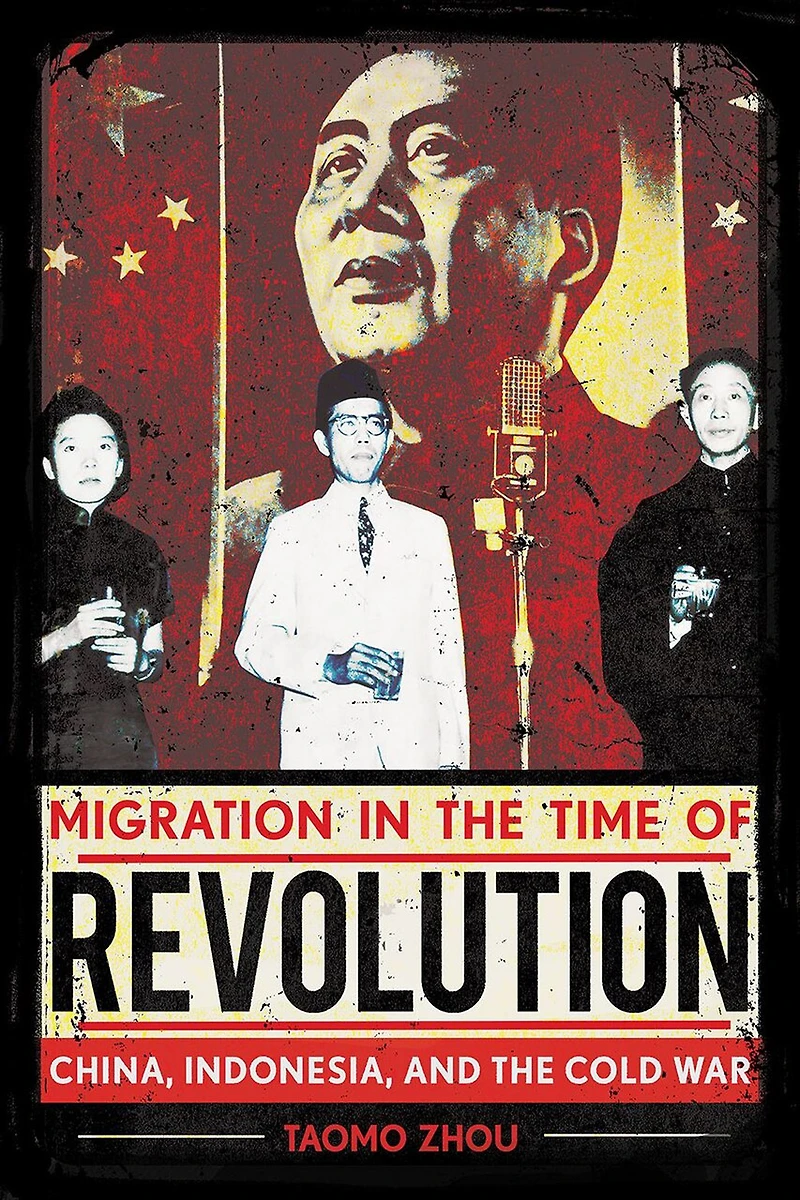
A Foreign Affairs Best Book Migration in the Time of Revolution explores the complex relationship between China and Indonesia from 1945 to 1967, during a period when citizenship, identity, and political loyalty were in flux . Taomo Zhou examines the experiences of migrants, including youths seeking an ancestral homeland they had never seen and economic refugees whose skills were unwelcome in a socialist state. Zhou argues that these migrants played an active role in shaping the diplomatic relations between Beijing and Jakarta, rather than being passive subjects of historical forces. By using previously untapped documents and oral history interviews, Migration in the Time of Revolution demonstrates how the actions and decisions of ethnic Chinese migrants were crucial in the development of postwar relations between China and Indonesia. By integrating diplomatic history with migration studies, Zhou provides a nuanced understanding of how ordinary people's lives intersected with broader political processes in Asia, offering a fresh perspective on the Cold War's social dynamics.
A Foreign Affairs Best Book Migration in the Time of Revolution explores the complex relationship between China and Indonesia from 1945 to 1967, during a period when citizenship, identity, and political loyalty were in flux . Taomo Zhou examines the experiences of migrants, including youths seeking an ancestral homeland they had never seen and economic refugees whose skills were unwelcome in a socialist state. Zhou argues that these migrants played an active role in shaping the diplomatic relations between Beijing and Jakarta, rather than being passive subjects of historical forces. By using previously untapped documents and oral history interviews, Migration in the Time of Revolution demonstrates how the actions and decisions of ethnic Chinese migrants were crucial in the development of postwar relations between China and Indonesia. By integrating diplomatic history with migration studies, Zhou provides a nuanced understanding of how ordinary people's lives intersected with broader political processes in Asia, offering a fresh perspective on the Cold War's social dynamics.
You May Also Like







More About Indigo at Erin Mills Town Centre
The largest book retailer in Canada also offers toys, music, home décor, gifts and lifestyle products. What's Inside...Books, Magazines, CD’s and DVD’s, Toys and Gifts, Home Accents, Electronics, Baby’s and Children’s Section, Bath and Body, Kitchen and Bedroom, Stationary Located outside in the exterior plaza.
5015 Glen Erin Dr, Mississauga, ON L5M 0R7, Canada
Find Indigo at Erin Mills Town Centre in Mississauga ON
Visit Indigo at Erin Mills Town Centre in Mississauga ON