

GIVE THE PERFECT GIFT
Erin Mills Town Centre Gift Cards are the perfect choice for your gift giving needs.Purchase gift cards at kiosks near the food court or centre court, at Guest Services, or click below to purchase online.PURCHASE HEREHome
Military Politics, Islam and the State in Indonesia: From Turbulent Transition to Democratic Consolidation
Indigo
Loading Inventory...
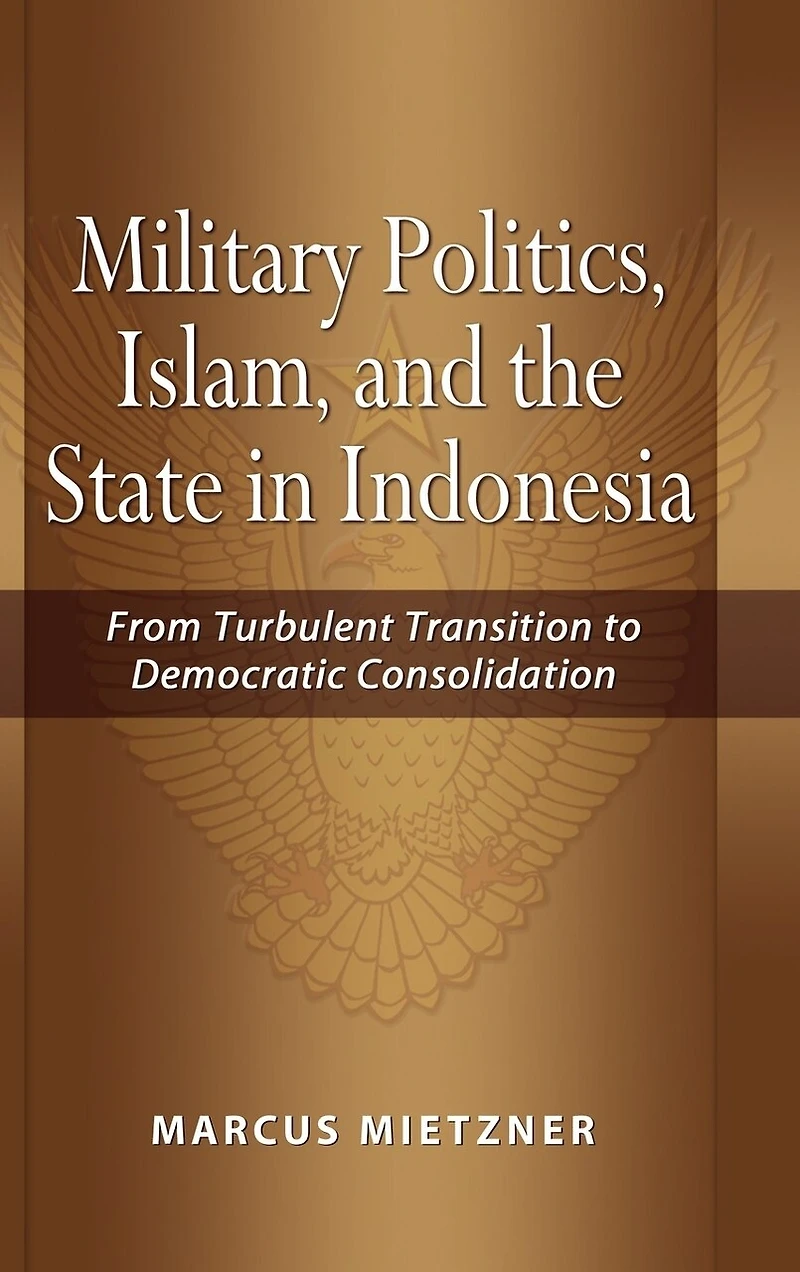
Military Politics, Islam and the State in Indonesia: From Turbulent Transition to Democratic Consolidation
Current price: $93.50

Military Politics, Islam and the State in Indonesia: From Turbulent Transition to Democratic Consolidation
Current price: $93.50
Loading Inventory...
Size: Hardcover
*Product information may vary - to confirm product availability, pricing, shipping and return information please contact Indigo
Based on a decade of research in Indonesia, this book provides an in-depth account of the military's struggle to adapt to the new democratic system after the downfall of Suharto's authoritarian regime in 1998. Unlike other studies of the Indonesian armed forces, which focus exclusively on internal military developments, Mietzner's study emphasizes the importance of conflicts among civilians in determining the extent of military involvement in political affairs. Analysing disputes between Indonesia's main Muslim groups, Mietzner argues that their intense rivalry between 1998 and 2004 allowed the military to extend its engagement in politics and protect its institutional interests. The stabilization of the civilian polity after 2004, in contrast, has led to an increasing marginalization of the armed forces from the power centre. Drawing broader conclusions from these events for Indonesia's ongoing process of democratic consolidation, the book shows that the future role of the armed forces in politics will largely depend on the ability of civilian leaders to maintain functioning democratic institutions and procedures.
Based on a decade of research in Indonesia, this book provides an in-depth account of the military's struggle to adapt to the new democratic system after the downfall of Suharto's authoritarian regime in 1998. Unlike other studies of the Indonesian armed forces, which focus exclusively on internal military developments, Mietzner's study emphasizes the importance of conflicts among civilians in determining the extent of military involvement in political affairs. Analysing disputes between Indonesia's main Muslim groups, Mietzner argues that their intense rivalry between 1998 and 2004 allowed the military to extend its engagement in politics and protect its institutional interests. The stabilization of the civilian polity after 2004, in contrast, has led to an increasing marginalization of the armed forces from the power centre. Drawing broader conclusions from these events for Indonesia's ongoing process of democratic consolidation, the book shows that the future role of the armed forces in politics will largely depend on the ability of civilian leaders to maintain functioning democratic institutions and procedures.
You May Also Like








More About Indigo at Erin Mills Town Centre
The largest book retailer in Canada also offers toys, music, home décor, gifts and lifestyle products. What's Inside...Books, Magazines, CD’s and DVD’s, Toys and Gifts, Home Accents, Electronics, Baby’s and Children’s Section, Bath and Body, Kitchen and Bedroom, Stationary Located outside in the exterior plaza.
5015 Glen Erin Dr, Mississauga, ON L5M 0R7, Canada
Find Indigo at Erin Mills Town Centre in Mississauga ON
Visit Indigo at Erin Mills Town Centre in Mississauga ON