

GIVE THE PERFECT GIFT
Erin Mills Town Centre Gift Cards are the perfect choice for your gift giving needs.Purchase gift cards at kiosks near the food court or centre court, at Guest Services, or click below to purchase online.PURCHASE HEREHome
Milk Culture in Eurasia: Constructing a Hypothesis of Monogenesis-Bipolarization
Indigo
Loading Inventory...
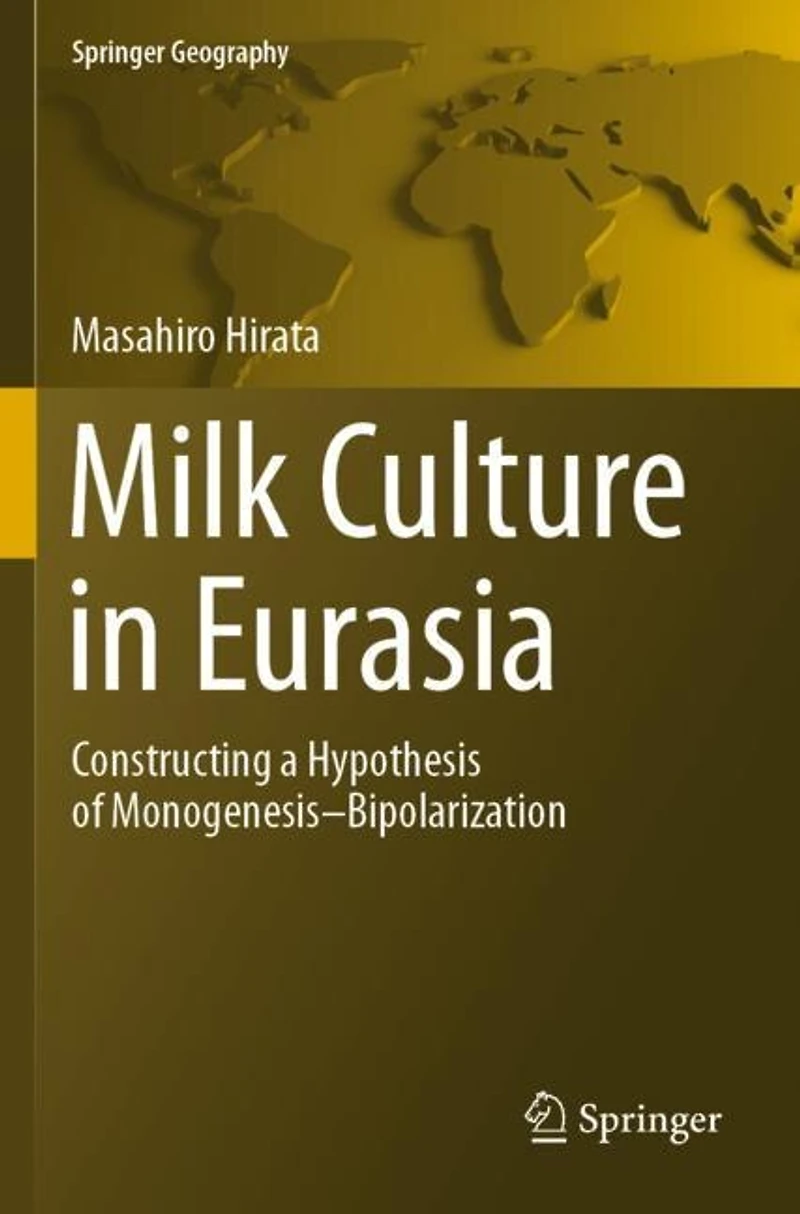
Milk Culture in Eurasia: Constructing a Hypothesis of Monogenesis-Bipolarization
Current price: $291.95

Milk Culture in Eurasia: Constructing a Hypothesis of Monogenesis-Bipolarization
Current price: $291.95
Loading Inventory...
Size: Paperback
*Product information may vary - to confirm product availability, pricing, shipping and return information please contact Indigo
The invention of milking and milk use created a new mode of subsistence called pastoralism. On rangelands across Eurasia, pastoralists subsist by extensive animal husbandry and by processing their animals' milk. Based on the author's fieldwork over more than two decades, this book details the processing systems and uses of milk observed in pastoralist and farm households in West Asia, South Asia, North Asia, Central Asia, the Tibetan Plateau, and Europe and the Caucasus. Milk culture in each region is characterized by its processing technology and use of milk, and characteristics common to wider geographical spheres are identified. Inclusion of case studies from the literature expands the continent-wide perspective and provides further indications of how milk culture developed and diffused historically. The inferences drawn are expressed in the author's monogenesis-bipolarization hypothesis of Eurasian milk culture, that milking and milk processing had a single center of origin in West Asia, and that the technology involved the spread from there across the continent, developing distinct characteristics in northern and southern spheres. Finally, because milk culture underpins pastoralism as a mode of subsistence, the typology and theory of pastoralism are re-examined from the standpoint of milk culture.
The invention of milking and milk use created a new mode of subsistence called pastoralism. On rangelands across Eurasia, pastoralists subsist by extensive animal husbandry and by processing their animals' milk. Based on the author's fieldwork over more than two decades, this book details the processing systems and uses of milk observed in pastoralist and farm households in West Asia, South Asia, North Asia, Central Asia, the Tibetan Plateau, and Europe and the Caucasus. Milk culture in each region is characterized by its processing technology and use of milk, and characteristics common to wider geographical spheres are identified. Inclusion of case studies from the literature expands the continent-wide perspective and provides further indications of how milk culture developed and diffused historically. The inferences drawn are expressed in the author's monogenesis-bipolarization hypothesis of Eurasian milk culture, that milking and milk processing had a single center of origin in West Asia, and that the technology involved the spread from there across the continent, developing distinct characteristics in northern and southern spheres. Finally, because milk culture underpins pastoralism as a mode of subsistence, the typology and theory of pastoralism are re-examined from the standpoint of milk culture.
You May Also Like











More About Indigo at Erin Mills Town Centre
The largest book retailer in Canada also offers toys, music, home décor, gifts and lifestyle products. What's Inside...Books, Magazines, CD’s and DVD’s, Toys and Gifts, Home Accents, Electronics, Baby’s and Children’s Section, Bath and Body, Kitchen and Bedroom, Stationary Located outside in the exterior plaza.
5015 Glen Erin Dr, Mississauga, ON L5M 0R7, Canada
Find Indigo at Erin Mills Town Centre in Mississauga ON
Visit Indigo at Erin Mills Town Centre in Mississauga ON