

GIVE THE PERFECT GIFT
Erin Mills Town Centre Gift Cards are the perfect choice for your gift giving needs.Purchase gift cards at kiosks near the food court or centre court, at Guest Services, or click below to purchase online.PURCHASE HEREHome
Mistaking Order for Anarchy: Territory, Mobility, and Security the Sahel
Indigo
Loading Inventory...
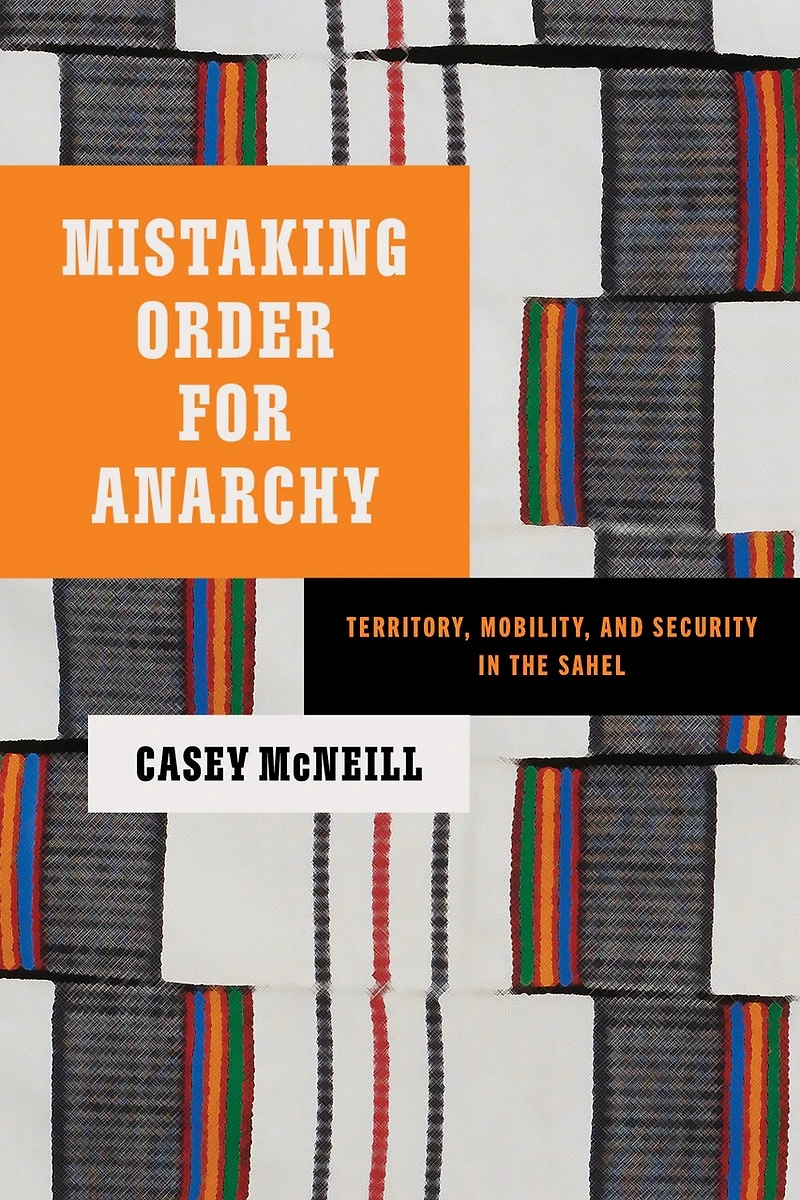
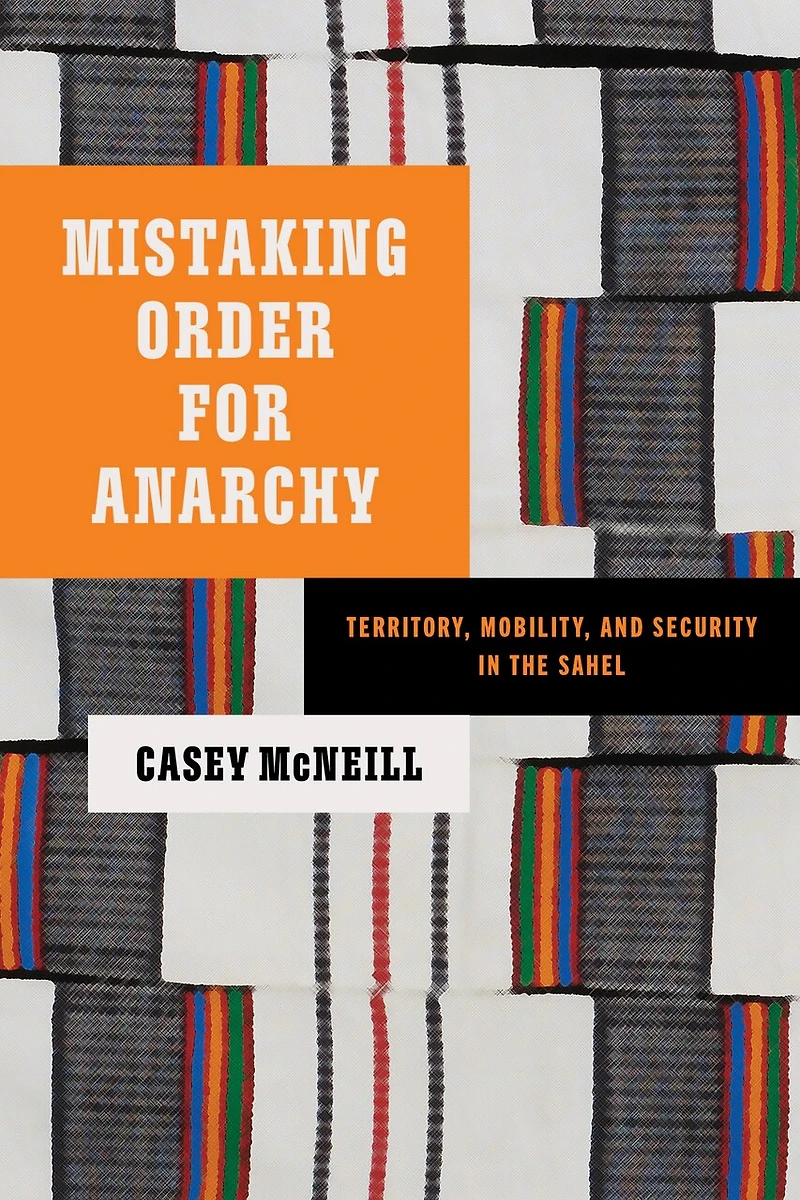
Mistaking Order for Anarchy: Territory, Mobility, and Security the Sahel
Current price: $136.99

Mistaking Order for Anarchy: Territory, Mobility, and Security the Sahel
Current price: $136.99
Loading Inventory...
Size: Hardcover
*Product information may vary - to confirm product availability, pricing, shipping and return information please contact Indigo
International stabilization interventions in so-called fragile states have failed everywhere they have been tried. In the Sahel, US, French, and United Nations-led missions were recently expelled following a series of military coups d'états. They left conditions of even greater instability than when they were deployed over a decade earlier. Casey McNeill takes these failures as a jumping off point to rethink the spatial logics and imaginaries that ground diagnoses of fragile states and interventions to stabilize them. These have been premised on the assumption that territorial governance is a necessary foundation for global security. McNeill historicizes and politicizes this assumption, showing how the modern equation of security with territorial control has displaced a diversity of approaches to ordering and securing collective life. Tracing contested processes of state building and their effects on security in the Sahel, this book models alternative, non-territorial practices of political order and collective security that are highly relevant to rethinking security more broadly, in the Sahel and beyond.
International stabilization interventions in so-called fragile states have failed everywhere they have been tried. In the Sahel, US, French, and United Nations-led missions were recently expelled following a series of military coups d'états. They left conditions of even greater instability than when they were deployed over a decade earlier. Casey McNeill takes these failures as a jumping off point to rethink the spatial logics and imaginaries that ground diagnoses of fragile states and interventions to stabilize them. These have been premised on the assumption that territorial governance is a necessary foundation for global security. McNeill historicizes and politicizes this assumption, showing how the modern equation of security with territorial control has displaced a diversity of approaches to ordering and securing collective life. Tracing contested processes of state building and their effects on security in the Sahel, this book models alternative, non-territorial practices of political order and collective security that are highly relevant to rethinking security more broadly, in the Sahel and beyond.
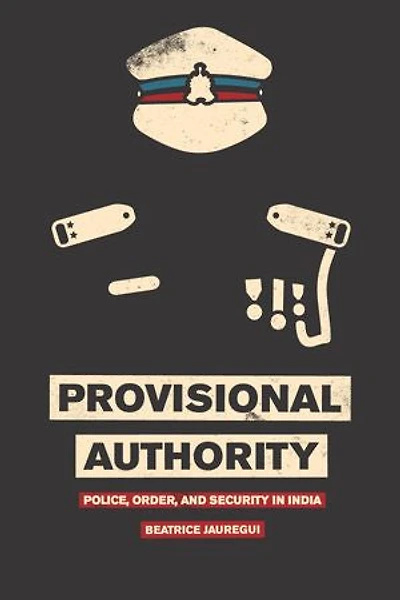
You May Also Like










More About Indigo at Erin Mills Town Centre
The largest book retailer in Canada also offers toys, music, home décor, gifts and lifestyle products. What's Inside...Books, Magazines, CD’s and DVD’s, Toys and Gifts, Home Accents, Electronics, Baby’s and Children’s Section, Bath and Body, Kitchen and Bedroom, Stationary Located outside in the exterior plaza.
5015 Glen Erin Dr, Mississauga, ON L5M 0R7, Canada
Find Indigo at Erin Mills Town Centre in Mississauga ON
Visit Indigo at Erin Mills Town Centre in Mississauga ON