

GIVE THE PERFECT GIFT
Erin Mills Town Centre Gift Cards are the perfect choice for your gift giving needs.Purchase gift cards at kiosks near the food court or centre court, at Guest Services, or click below to purchase online.PURCHASE HEREHome
Mobian Nights: Reading Literature And Darkness
Indigo
Loading Inventory...
Mobian Nights: Reading Literature And Darkness
Current price: $277.50

Mobian Nights: Reading Literature And Darkness
Current price: $277.50
Loading Inventory...
Size: Hardcover
*Product information may vary - to confirm product availability, pricing, shipping and return information please contact Indigo
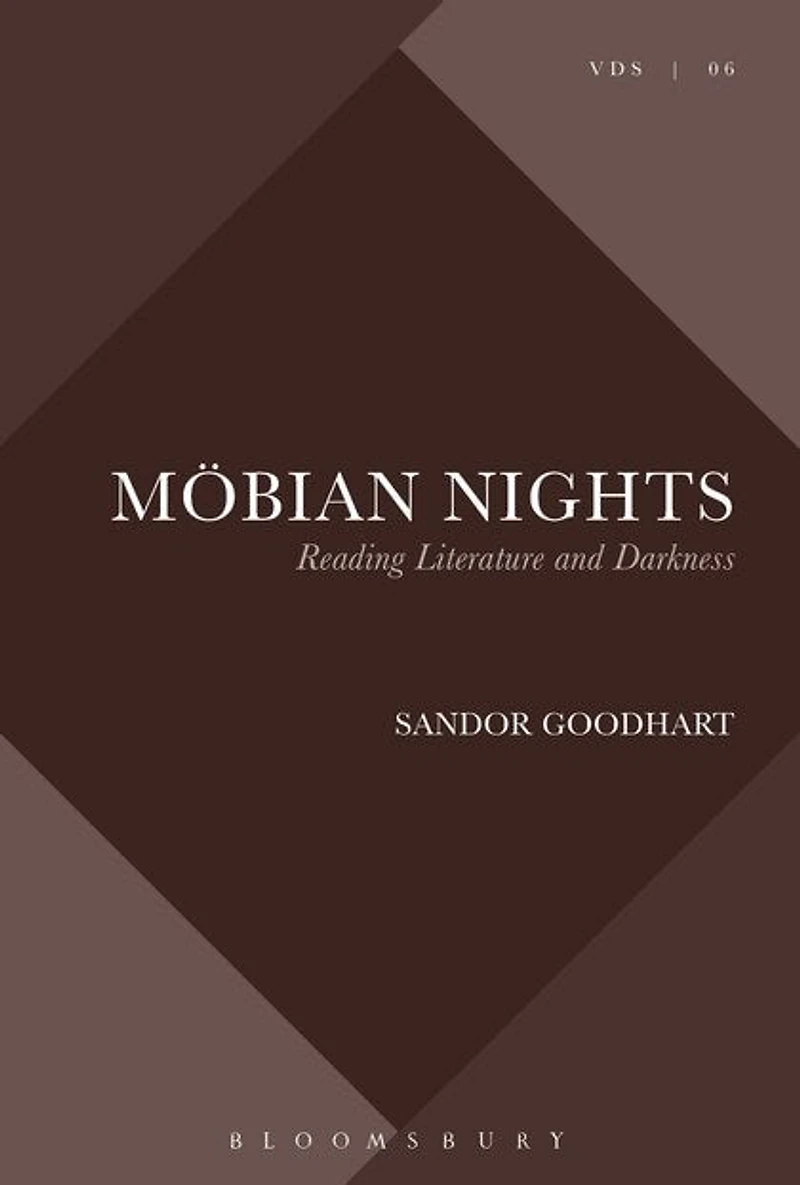
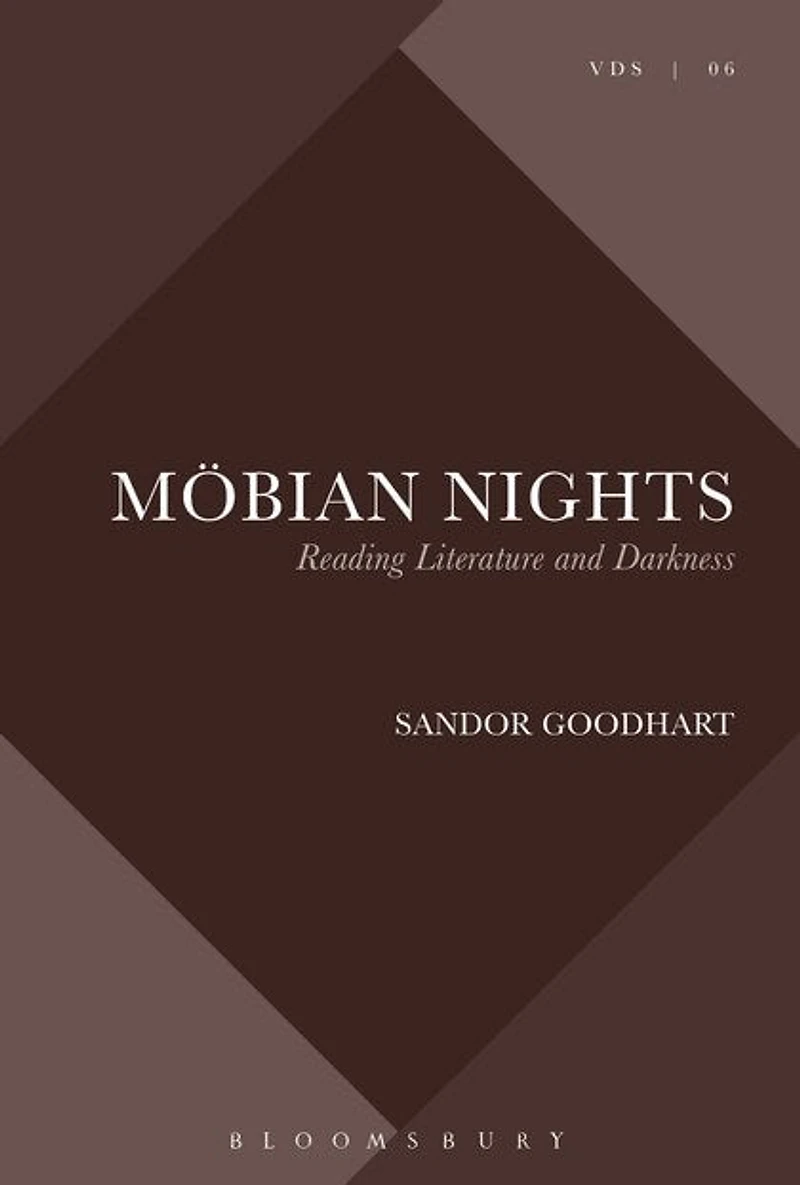
"I died at Auschwitz," French writer Charlotte Delbo asserts, "and nobody knows it." Möbian Nights: Reading Literature and Darkness develops a new understanding of literary reading: that in the wake of disasters like the Holocaust, death remains a premise of our experience rather than a future. Challenging customary "aesthetic" assumptions that we write in order not to die, Sandor Goodhart suggests (with Kafka) we write to die. Drawing upon analyses developed by Girard, Foucault, Blanchot, and Levinas (along with examples from Homer to Beckett), Möbian Nights proposes that all literature works "autobiographically", which is to say, in the wake of disaster; with the credo "I died; therefore, I am"; and for which the language of topology (for example, the "Möbius strip") offers a vocabulary for naming the "deep structure" of such literary, critical, and scriptural sacrificial and anti-sacrificial dynamics.
"I died at Auschwitz," French writer Charlotte Delbo asserts, "and nobody knows it." Möbian Nights: Reading Literature and Darkness develops a new understanding of literary reading: that in the wake of disasters like the Holocaust, death remains a premise of our experience rather than a future. Challenging customary "aesthetic" assumptions that we write in order not to die, Sandor Goodhart suggests (with Kafka) we write to die. Drawing upon analyses developed by Girard, Foucault, Blanchot, and Levinas (along with examples from Homer to Beckett), Möbian Nights proposes that all literature works "autobiographically", which is to say, in the wake of disaster; with the credo "I died; therefore, I am"; and for which the language of topology (for example, the "Möbius strip") offers a vocabulary for naming the "deep structure" of such literary, critical, and scriptural sacrificial and anti-sacrificial dynamics.
You May Also Like







More About Indigo at Erin Mills Town Centre
The largest book retailer in Canada also offers toys, music, home décor, gifts and lifestyle products. What's Inside...Books, Magazines, CD’s and DVD’s, Toys and Gifts, Home Accents, Electronics, Baby’s and Children’s Section, Bath and Body, Kitchen and Bedroom, Stationary Located outside in the exterior plaza.
5015 Glen Erin Dr, Mississauga, ON L5M 0R7, Canada
Find Indigo at Erin Mills Town Centre in Mississauga ON
Visit Indigo at Erin Mills Town Centre in Mississauga ON