

GIVE THE PERFECT GIFT
Erin Mills Town Centre Gift Cards are the perfect choice for your gift giving needs.Purchase gift cards at kiosks near the food court or centre court, at Guest Services, or click below to purchase online.PURCHASE HEREHome
Modeling the Past: Archaeology, History, and Dynamic Networks
Indigo
Loading Inventory...
Modeling the Past: Archaeology, History, and Dynamic Networks
Current price: $24.99
Original price: $31.15

Modeling the Past: Archaeology, History, and Dynamic Networks
Current price: $24.99
Original price: $31.15
Loading Inventory...
Size: Kobo eBook
*Product information may vary - to confirm product availability, pricing, shipping and return information please contact Indigo
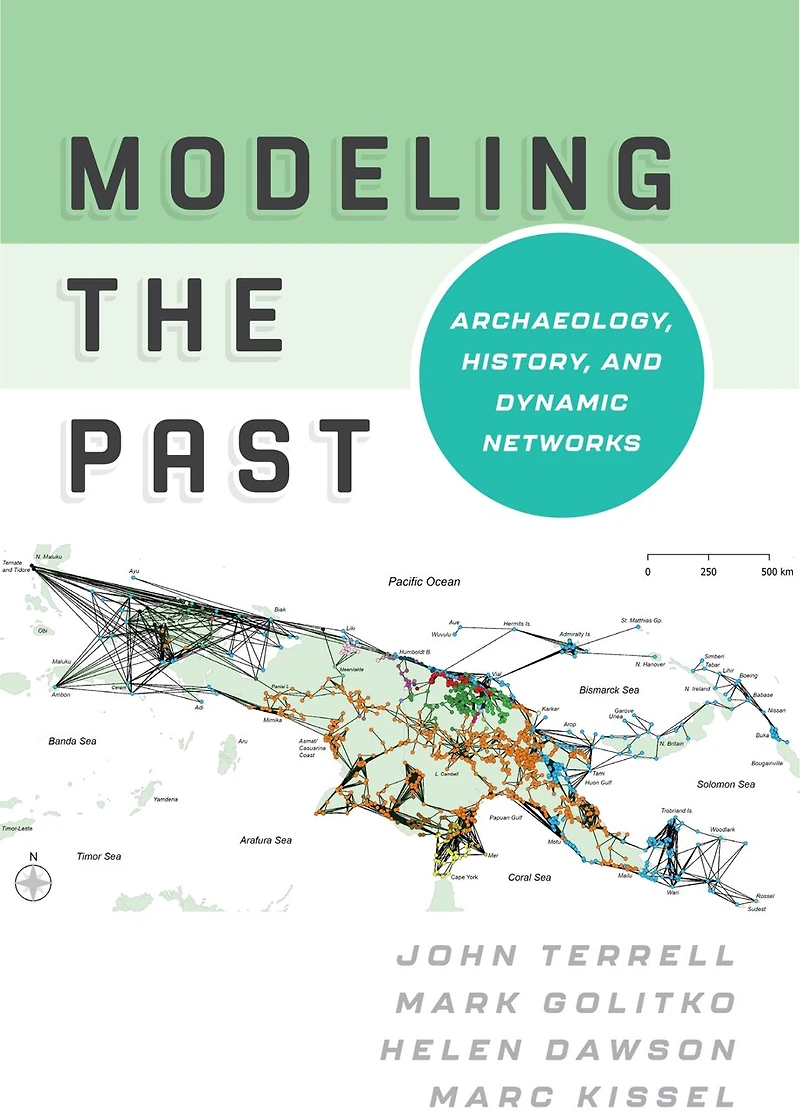
How do researchers use dynamic network analysis (DYRA) to explore, model, and try to understand the complex global history of our species? Reduced to bare bones, network analysis is a way of understanding the world around us — a way called relational thinking — that is liberating but challenging. Using this handbook, researchers learn to develop historical and archaeological research questions anchored in DYRA. Undergraduate and graduate students, as well as professional historians and archaeologists can consult on issues that range from hypothesis-driven research to critiquing dominant historical narratives, especially those that have tended to ignore the diversity of the archaeological record.
How do researchers use dynamic network analysis (DYRA) to explore, model, and try to understand the complex global history of our species? Reduced to bare bones, network analysis is a way of understanding the world around us — a way called relational thinking — that is liberating but challenging. Using this handbook, researchers learn to develop historical and archaeological research questions anchored in DYRA. Undergraduate and graduate students, as well as professional historians and archaeologists can consult on issues that range from hypothesis-driven research to critiquing dominant historical narratives, especially those that have tended to ignore the diversity of the archaeological record.
You May Also Like









More About Indigo at Erin Mills Town Centre
The largest book retailer in Canada also offers toys, music, home décor, gifts and lifestyle products. What's Inside...Books, Magazines, CD’s and DVD’s, Toys and Gifts, Home Accents, Electronics, Baby’s and Children’s Section, Bath and Body, Kitchen and Bedroom, Stationary Located outside in the exterior plaza.
5015 Glen Erin Dr, Mississauga, ON L5M 0R7, Canada
Find Indigo at Erin Mills Town Centre in Mississauga ON
Visit Indigo at Erin Mills Town Centre in Mississauga ON