

GIVE THE PERFECT GIFT
Erin Mills Town Centre Gift Cards are the perfect choice for your gift giving needs.Purchase gift cards at kiosks near the food court or centre court, at Guest Services, or click below to purchase online.PURCHASE HEREHome
Molecular Mechanisms of Parasite Invasion
Indigo
Loading Inventory...
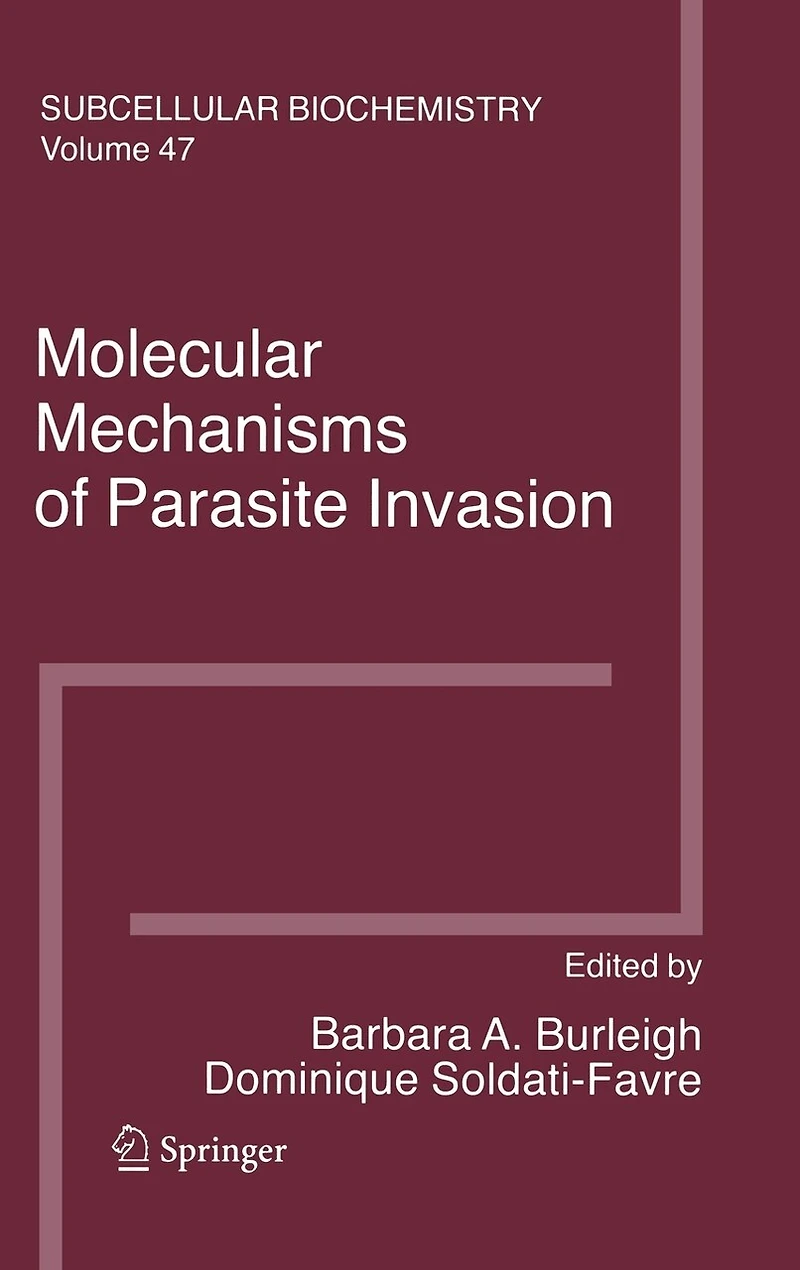
Molecular Mechanisms of Parasite Invasion
Current price: $248.50

Molecular Mechanisms of Parasite Invasion
Current price: $248.50
Loading Inventory...
Size: Hardcover
*Product information may vary - to confirm product availability, pricing, shipping and return information please contact Indigo
All of the parasitic organisms highlighted in this new book represent medically important human pathogens that contribute significantly to the global burden of disease. As such there is intense interest in understanding the molecular basis of infection by these pathogens-not only with regard to their clinical relevance but also the fascinating biology they reveal. For most of the parasites discussed here the ability to penetrate biological barriers and/or to establish intracellular residence is critical to survival of the pathogen in the mammalian hosts. For other parasites, a tissue invasive phenotype is a key virulence determinant. In the ensuing 18 chapters, select members of this diverse set of protozoan parasites, as well as some examples of the extremely reduced fungal parasites classified as Microsporidia, are discussed within the context of the fascinating molecular strategies employed by these organisms to migrate across biological barriers and to establish residence within target host cells.
All of the parasitic organisms highlighted in this new book represent medically important human pathogens that contribute significantly to the global burden of disease. As such there is intense interest in understanding the molecular basis of infection by these pathogens-not only with regard to their clinical relevance but also the fascinating biology they reveal. For most of the parasites discussed here the ability to penetrate biological barriers and/or to establish intracellular residence is critical to survival of the pathogen in the mammalian hosts. For other parasites, a tissue invasive phenotype is a key virulence determinant. In the ensuing 18 chapters, select members of this diverse set of protozoan parasites, as well as some examples of the extremely reduced fungal parasites classified as Microsporidia, are discussed within the context of the fascinating molecular strategies employed by these organisms to migrate across biological barriers and to establish residence within target host cells.
You May Also Like









More About Indigo at Erin Mills Town Centre
The largest book retailer in Canada also offers toys, music, home décor, gifts and lifestyle products. What's Inside...Books, Magazines, CD’s and DVD’s, Toys and Gifts, Home Accents, Electronics, Baby’s and Children’s Section, Bath and Body, Kitchen and Bedroom, Stationary Located outside in the exterior plaza.
5015 Glen Erin Dr, Mississauga, ON L5M 0R7, Canada
Find Indigo at Erin Mills Town Centre in Mississauga ON
Visit Indigo at Erin Mills Town Centre in Mississauga ON