

GIVE THE PERFECT GIFT
Erin Mills Town Centre Gift Cards are the perfect choice for your gift giving needs.Purchase gift cards at kiosks near the food court or centre court, at Guest Services, or click below to purchase online.PURCHASE HEREHome
Money: 5,000 Years Of Debt And Power
Indigo
Loading Inventory...
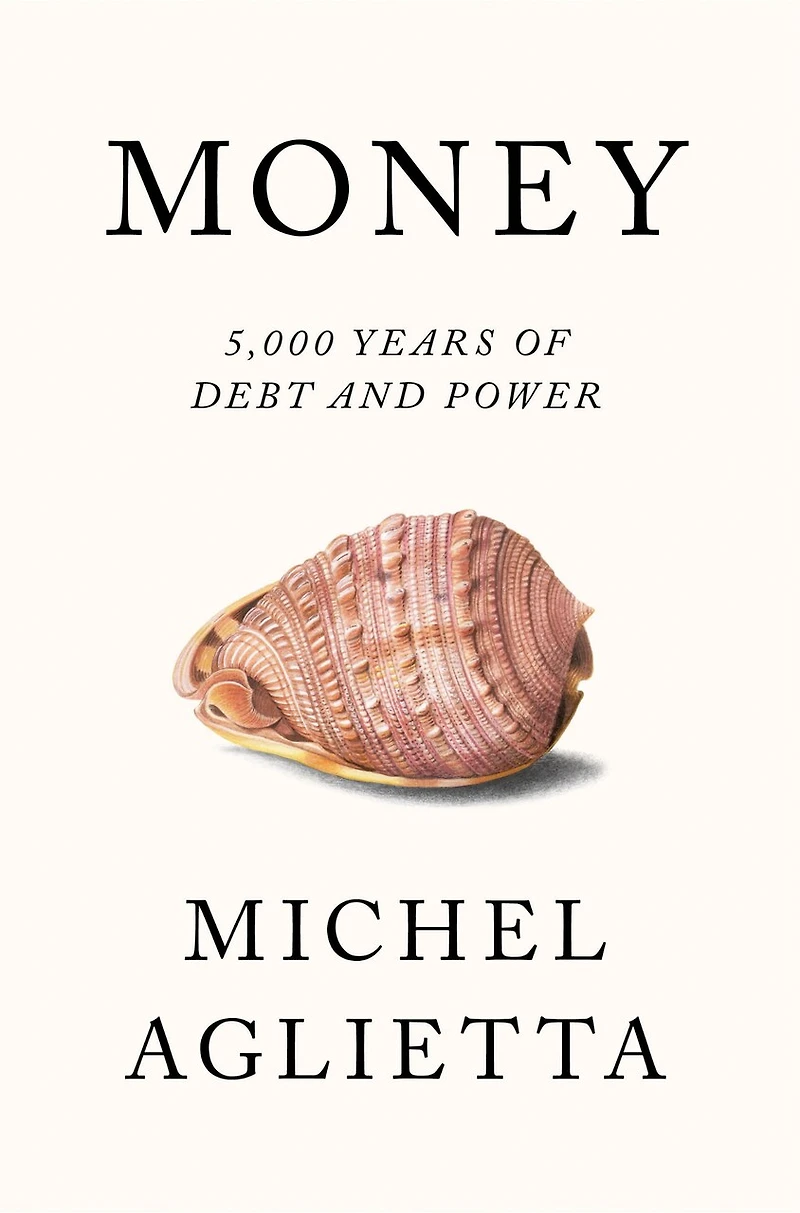
Money: 5,000 Years Of Debt And Power
Current price: $45.95

Money: 5,000 Years Of Debt And Power
Current price: $45.95
Loading Inventory...
Size: Hardcover
*Product information may vary - to confirm product availability, pricing, shipping and return information please contact Indigo
The major French economist offers a new theory of money As the financial crisis reached its climax in September 2008, the most important figure on the planet was Federal Reserve chairman Ben Bernanke. The whole financial system was collapsing, with little to stop it. When a senator asked Bernanke what would happen if the central bank did not carry out its rescue package, he replied, “If we don’t do this, we may not have an economy on Monday.” What saved finance, and the Western economy, was fiscal and monetary stimulus – an influx of money, created ad hoc. It was a strategy that raised questions about the unexamined nature of money itself, an object suddenly revealed as something other than a neutral signifier of value. Through its grip on finance and the debt system, money confers sovereign power on the economy. If confidence in money is not maintained, crises follow. Looking over the last 5,000 years, Michel Aglietta explores the development of money and its close connection to sovereign power. This book employs the tools of anthropology, history and political economy in order to analyse how political structures and monetary systems have transformed one another. We can thus grasp the different eras of monetary regulation and the crises capitalism has endured throughout its history.
The major French economist offers a new theory of money As the financial crisis reached its climax in September 2008, the most important figure on the planet was Federal Reserve chairman Ben Bernanke. The whole financial system was collapsing, with little to stop it. When a senator asked Bernanke what would happen if the central bank did not carry out its rescue package, he replied, “If we don’t do this, we may not have an economy on Monday.” What saved finance, and the Western economy, was fiscal and monetary stimulus – an influx of money, created ad hoc. It was a strategy that raised questions about the unexamined nature of money itself, an object suddenly revealed as something other than a neutral signifier of value. Through its grip on finance and the debt system, money confers sovereign power on the economy. If confidence in money is not maintained, crises follow. Looking over the last 5,000 years, Michel Aglietta explores the development of money and its close connection to sovereign power. This book employs the tools of anthropology, history and political economy in order to analyse how political structures and monetary systems have transformed one another. We can thus grasp the different eras of monetary regulation and the crises capitalism has endured throughout its history.
You May Also Like








More About Indigo at Erin Mills Town Centre
The largest book retailer in Canada also offers toys, music, home décor, gifts and lifestyle products. What's Inside...Books, Magazines, CD’s and DVD’s, Toys and Gifts, Home Accents, Electronics, Baby’s and Children’s Section, Bath and Body, Kitchen and Bedroom, Stationary Located outside in the exterior plaza.
5015 Glen Erin Dr, Mississauga, ON L5M 0R7, Canada
Find Indigo at Erin Mills Town Centre in Mississauga ON
Visit Indigo at Erin Mills Town Centre in Mississauga ON