

GIVE THE PERFECT GIFT
Erin Mills Town Centre Gift Cards are the perfect choice for your gift giving needs.Purchase gift cards at kiosks near the food court or centre court, at Guest Services, or click below to purchase online.PURCHASE HEREHome
Money, Oil, and Empire in the Middle East: Sterling and Postwar Imperialism, 1944–1971
Indigo
Loading Inventory...
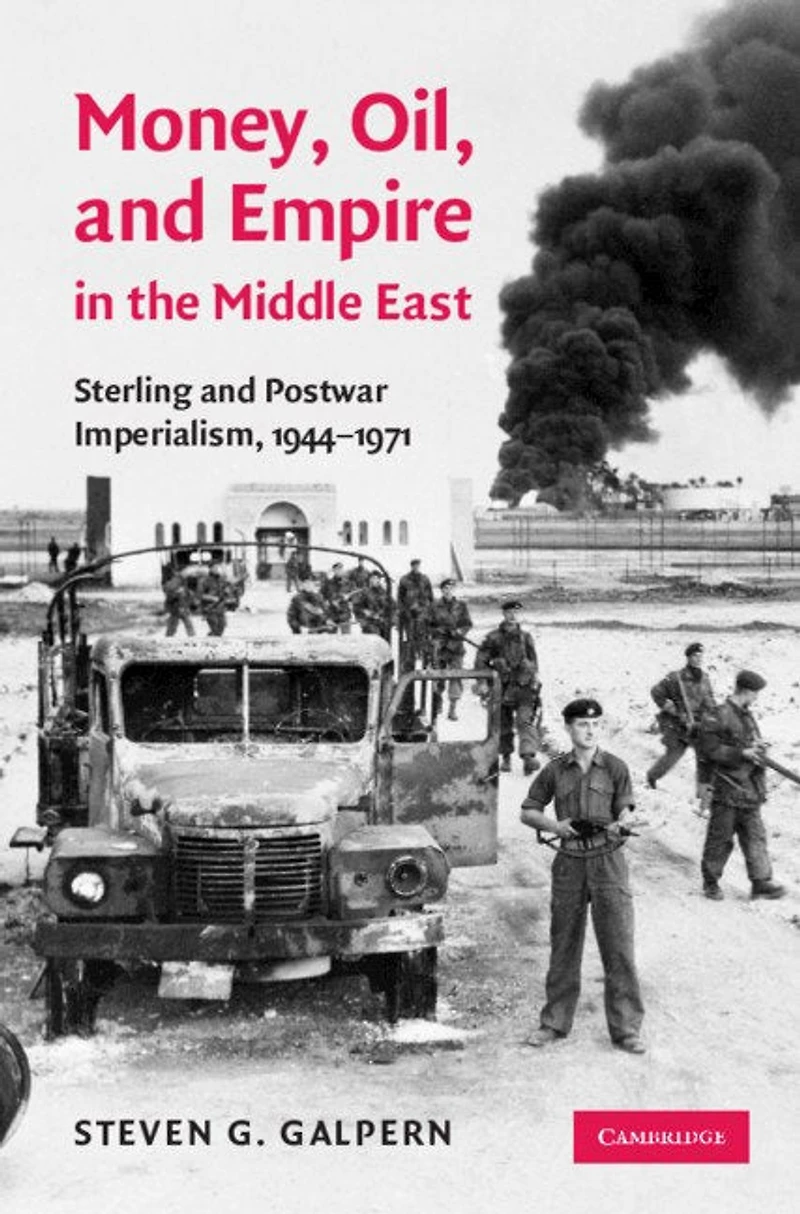
Money, Oil, and Empire in the Middle East: Sterling and Postwar Imperialism, 1944–1971
Current price: $152.95

Money, Oil, and Empire in the Middle East: Sterling and Postwar Imperialism, 1944–1971
Current price: $152.95
Loading Inventory...
Size: Hardcover
*Product information may vary - to confirm product availability, pricing, shipping and return information please contact Indigo
This book is an important political and economic history of the unravelling of the British Empire and its connection to the decline of sterling as a leading international currency. Analyzing events such as the 1951 Iranian oil nationalization crisis and the 1956 Suez crisis, Steven Galpern provides a new perspective on British imperialism in the Middle East by reframing British policy in the context of the government's postwar efforts to maintain the international prestige of the pound. He reveals the link that British officials made between the Middle Eastern oil trade and the strength of sterling and how this influenced government policy and strained relationships with the Middle East, the United States, and multinational oil firms. In so doing, this book draws revealing parallels between the British experience and that of the United States today and will be essential reading for scholars of the British empire, Middle East studies and economic history.
This book is an important political and economic history of the unravelling of the British Empire and its connection to the decline of sterling as a leading international currency. Analyzing events such as the 1951 Iranian oil nationalization crisis and the 1956 Suez crisis, Steven Galpern provides a new perspective on British imperialism in the Middle East by reframing British policy in the context of the government's postwar efforts to maintain the international prestige of the pound. He reveals the link that British officials made between the Middle Eastern oil trade and the strength of sterling and how this influenced government policy and strained relationships with the Middle East, the United States, and multinational oil firms. In so doing, this book draws revealing parallels between the British experience and that of the United States today and will be essential reading for scholars of the British empire, Middle East studies and economic history.
You May Also Like







More About Indigo at Erin Mills Town Centre
The largest book retailer in Canada also offers toys, music, home décor, gifts and lifestyle products. What's Inside...Books, Magazines, CD’s and DVD’s, Toys and Gifts, Home Accents, Electronics, Baby’s and Children’s Section, Bath and Body, Kitchen and Bedroom, Stationary Located outside in the exterior plaza.
5015 Glen Erin Dr, Mississauga, ON L5M 0R7, Canada
Find Indigo at Erin Mills Town Centre in Mississauga ON
Visit Indigo at Erin Mills Town Centre in Mississauga ON