

GIVE THE PERFECT GIFT
Erin Mills Town Centre Gift Cards are the perfect choice for your gift giving needs.Purchase gift cards at kiosks near the food court or centre court, at Guest Services, or click below to purchase online.PURCHASE HEREHome
Motives Children's Development: Cultural-Historical Approaches
Indigo
Loading Inventory...
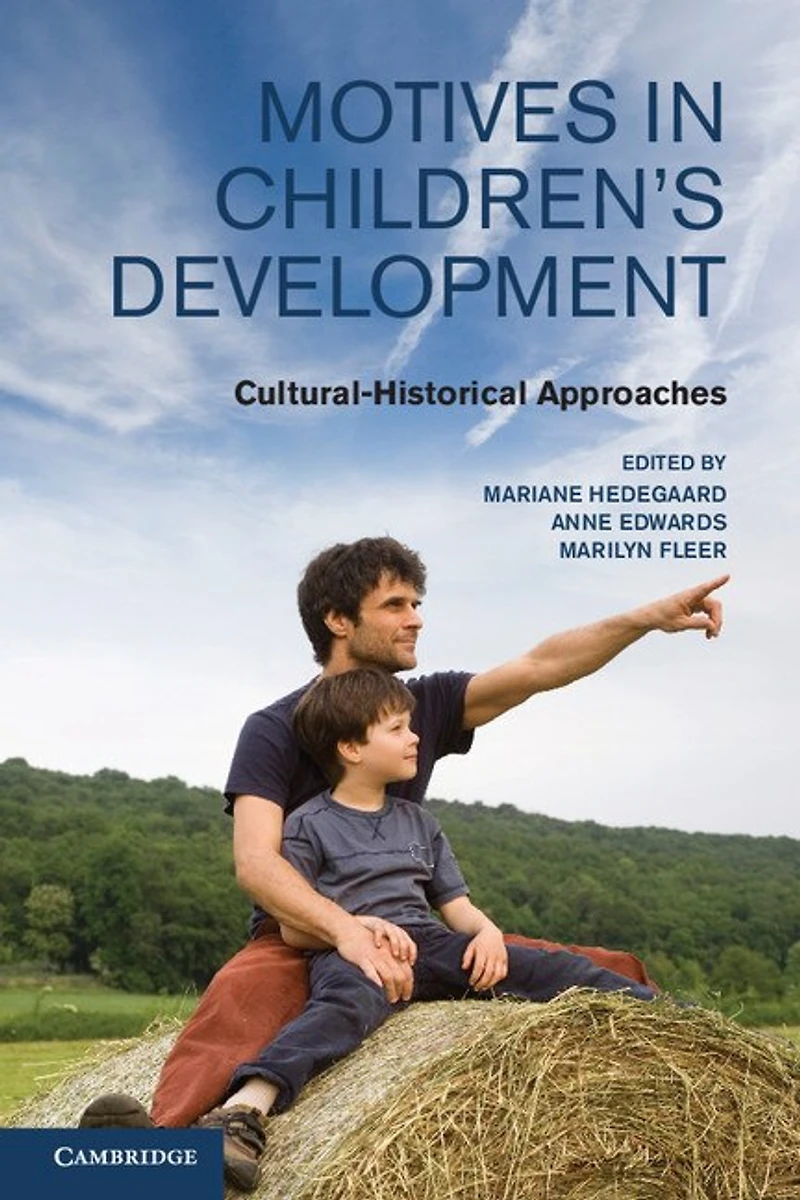
Motives Children's Development: Cultural-Historical Approaches
Current price: $100.95

Motives Children's Development: Cultural-Historical Approaches
Current price: $100.95
Loading Inventory...
Size: Hardcover
*Product information may vary - to confirm product availability, pricing, shipping and return information please contact Indigo
The contributors to this collection employ the analytic resources of cultural-historical theory to examine the relationship between childhood and children's development under different societal conditions. In particular they attend to relationships between development, emotions, motives and identities, and the social practices in which children and young people may be learners. These practices are knowledge-laden, imbued with cultural values and emotionally freighted by those who already act in them. The book first discusses the organizing principles that underpin a cultural-historical understanding of motives, development, and learning. The second section foregrounds children's lives to exemplify the implications of these ideas as they are played out – examining how children are positioned as learners in pre-school, primary school, and play environments. The final section uses the core ideas to look at the implementation of policy aimed at enhancing children's engagement with opportunities for learning, by discussing motives in the organizations that shape children's development.
The contributors to this collection employ the analytic resources of cultural-historical theory to examine the relationship between childhood and children's development under different societal conditions. In particular they attend to relationships between development, emotions, motives and identities, and the social practices in which children and young people may be learners. These practices are knowledge-laden, imbued with cultural values and emotionally freighted by those who already act in them. The book first discusses the organizing principles that underpin a cultural-historical understanding of motives, development, and learning. The second section foregrounds children's lives to exemplify the implications of these ideas as they are played out – examining how children are positioned as learners in pre-school, primary school, and play environments. The final section uses the core ideas to look at the implementation of policy aimed at enhancing children's engagement with opportunities for learning, by discussing motives in the organizations that shape children's development.
You May Also Like









More About Indigo at Erin Mills Town Centre
The largest book retailer in Canada also offers toys, music, home décor, gifts and lifestyle products. What's Inside...Books, Magazines, CD’s and DVD’s, Toys and Gifts, Home Accents, Electronics, Baby’s and Children’s Section, Bath and Body, Kitchen and Bedroom, Stationary Located outside in the exterior plaza.
5015 Glen Erin Dr, Mississauga, ON L5M 0R7, Canada
Find Indigo at Erin Mills Town Centre in Mississauga ON
Visit Indigo at Erin Mills Town Centre in Mississauga ON