

GIVE THE PERFECT GIFT
Erin Mills Town Centre Gift Cards are the perfect choice for your gift giving needs.Purchase gift cards at kiosks near the food court or centre court, at Guest Services, or click below to purchase online.PURCHASE HEREHome
Moving Bodies: Embodied Minds and the World That We Made
Indigo
Loading Inventory...
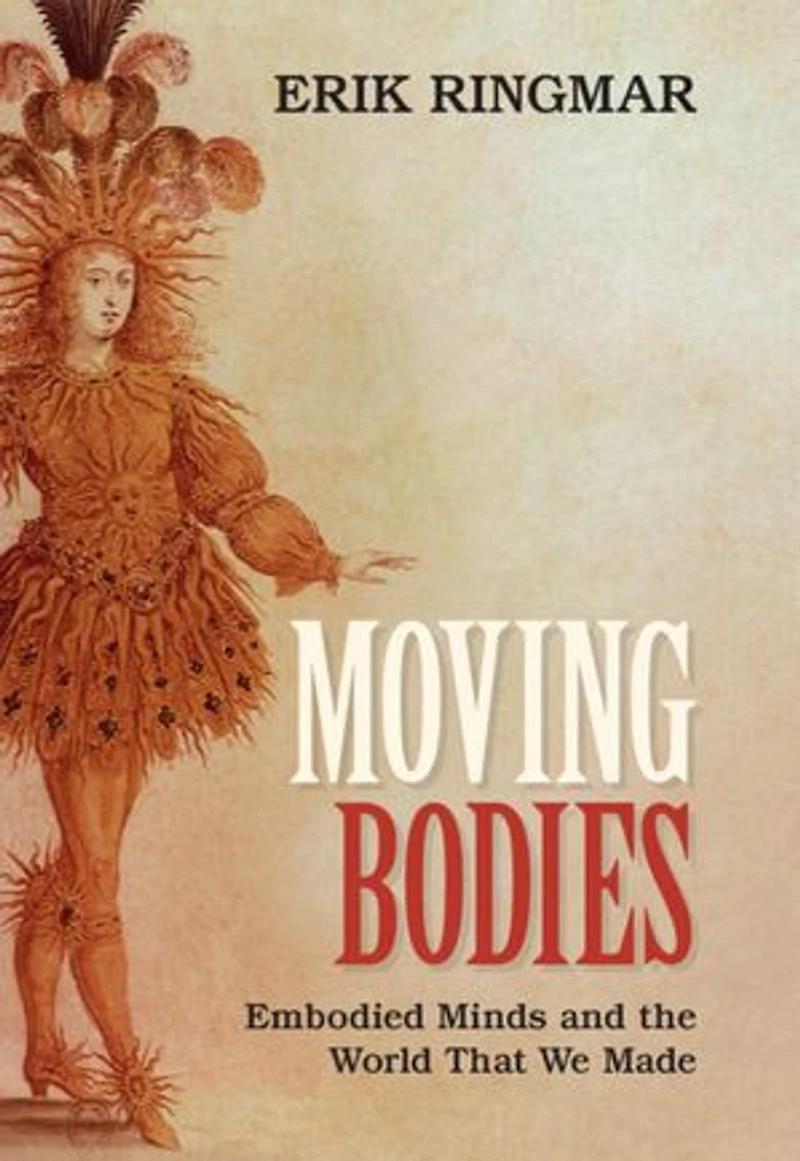
Moving Bodies: Embodied Minds and the World That We Made
Current price: $40.79
Original price: $50.95

Moving Bodies: Embodied Minds and the World That We Made
Current price: $40.79
Original price: $50.95
Loading Inventory...
Size: Kobo eBook
*Product information may vary - to confirm product availability, pricing, shipping and return information please contact Indigo
Increasingly we have come to live in our heads, leaving our bodies behind. The consequences have been far-reaching, of which cognitive theory has warned us, advocating a 'return to the body.' This book employs several case studies-kings performing in ballets, sea captains dancing with natives, nationalists engaged in gymnastics exercises-to demonstrate what has been lost and what could be gained by a more embodied approach to living, to history. These curious movements were ways to be, to think, to know, to imagine, and to will. They highlight the limits of historical explanations focusing on cultural factors and question currently fashionable 'cultural' and 'post-modern' perspectives. Bodies, cognitive theory tells us, are the same regardless of historical context, and they engage in the same intentional activities. Returning to our bodies and their movements enables us not only to explain historical actions anew, but also to understand ourselves better.
Increasingly we have come to live in our heads, leaving our bodies behind. The consequences have been far-reaching, of which cognitive theory has warned us, advocating a 'return to the body.' This book employs several case studies-kings performing in ballets, sea captains dancing with natives, nationalists engaged in gymnastics exercises-to demonstrate what has been lost and what could be gained by a more embodied approach to living, to history. These curious movements were ways to be, to think, to know, to imagine, and to will. They highlight the limits of historical explanations focusing on cultural factors and question currently fashionable 'cultural' and 'post-modern' perspectives. Bodies, cognitive theory tells us, are the same regardless of historical context, and they engage in the same intentional activities. Returning to our bodies and their movements enables us not only to explain historical actions anew, but also to understand ourselves better.
You May Also Like









More About Indigo at Erin Mills Town Centre
The largest book retailer in Canada also offers toys, music, home décor, gifts and lifestyle products. What's Inside...Books, Magazines, CD’s and DVD’s, Toys and Gifts, Home Accents, Electronics, Baby’s and Children’s Section, Bath and Body, Kitchen and Bedroom, Stationary Located outside in the exterior plaza.
5015 Glen Erin Dr, Mississauga, ON L5M 0R7, Canada
Find Indigo at Erin Mills Town Centre in Mississauga ON
Visit Indigo at Erin Mills Town Centre in Mississauga ON