

GIVE THE PERFECT GIFT
Erin Mills Town Centre Gift Cards are the perfect choice for your gift giving needs.Purchase gift cards at kiosks near the food court or centre court, at Guest Services, or click below to purchase online.PURCHASE HEREHome
Mozambique Culture and Art, The History: Mozambicans People, Tradition, and Tourism
Indigo
Loading Inventory...
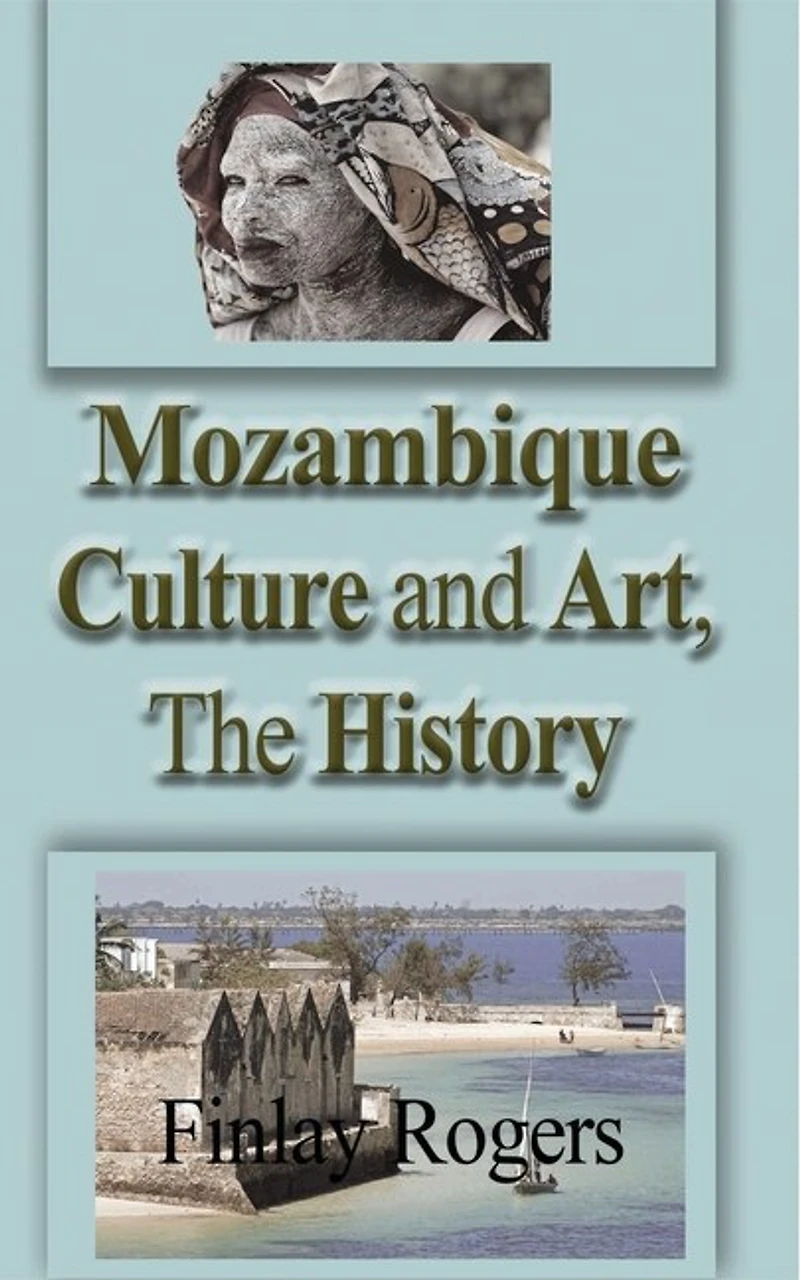
Mozambique Culture and Art, The History: Mozambicans People, Tradition, and Tourism
Current price: $41.58

Mozambique Culture and Art, The History: Mozambicans People, Tradition, and Tourism
Current price: $41.58
Loading Inventory...
Size: Paperback
*Product information may vary - to confirm product availability, pricing, shipping and return information please contact Indigo
Mozambique Culture and Art, The History. Mozambicans People, Tradition, and Tourism. The people of Mozambique are ethnically diverse, but ethnic categories are fluid and reflect the country's colonial history. All inhabitants of the country were designated Portuguese in 1961, and some ethnic classifications such as Makua-Lomwe were created by colonial Portuguese officials themselves. Within the country, in addition to the Makua-Lomwe, live the Tsonga, Sena, Ndau (see Shona), Chopi, Chewa, Yao, Makonde, and Ngoni. In terms of cultural organization, the Zambezi valley again provides Mozambique's key marker, roughly dividing groups that trace their heritage according to principles of matrilineality to the north and groups that order themselves along patrilineal lines to the south. In matrilineal groups, authority rests in the senior male of the extended family traced through the female line, whereas in patrilineal groups the senior male is identified through the male line. Throughout the 20th century, however, many matrilineal groups adopted patrilineality and virilocal settlement, with new families settling in a household of the husband's lineage rather than the wife's
Mozambique Culture and Art, The History. Mozambicans People, Tradition, and Tourism. The people of Mozambique are ethnically diverse, but ethnic categories are fluid and reflect the country's colonial history. All inhabitants of the country were designated Portuguese in 1961, and some ethnic classifications such as Makua-Lomwe were created by colonial Portuguese officials themselves. Within the country, in addition to the Makua-Lomwe, live the Tsonga, Sena, Ndau (see Shona), Chopi, Chewa, Yao, Makonde, and Ngoni. In terms of cultural organization, the Zambezi valley again provides Mozambique's key marker, roughly dividing groups that trace their heritage according to principles of matrilineality to the north and groups that order themselves along patrilineal lines to the south. In matrilineal groups, authority rests in the senior male of the extended family traced through the female line, whereas in patrilineal groups the senior male is identified through the male line. Throughout the 20th century, however, many matrilineal groups adopted patrilineality and virilocal settlement, with new families settling in a household of the husband's lineage rather than the wife's
You May Also Like
![African American Culture: An Encyclopedia of People, Traditions, and Customs [3 volumes]](https://cdn.mall.adeptmind.ai/https%253A%252F%252Fcdn.shopify.com%252Fs%252Ffiles%252F1%252F0655%252F8980%252F5233%252Ffiles%252Fimage_7e262732-837f-4f46-ae53-12b0cdea8758.jpg_medium.webp)







More About Indigo at Erin Mills Town Centre
The largest book retailer in Canada also offers toys, music, home décor, gifts and lifestyle products. What's Inside...Books, Magazines, CD’s and DVD’s, Toys and Gifts, Home Accents, Electronics, Baby’s and Children’s Section, Bath and Body, Kitchen and Bedroom, Stationary Located outside in the exterior plaza.
5015 Glen Erin Dr, Mississauga, ON L5M 0R7, Canada
Find Indigo at Erin Mills Town Centre in Mississauga ON
Visit Indigo at Erin Mills Town Centre in Mississauga ON