

GIVE THE PERFECT GIFT
Erin Mills Town Centre Gift Cards are the perfect choice for your gift giving needs.Purchase gift cards at kiosks near the food court or centre court, at Guest Services, or click below to purchase online.PURCHASE HEREHome
mTOR in Human Diseases
Indigo
Loading Inventory...
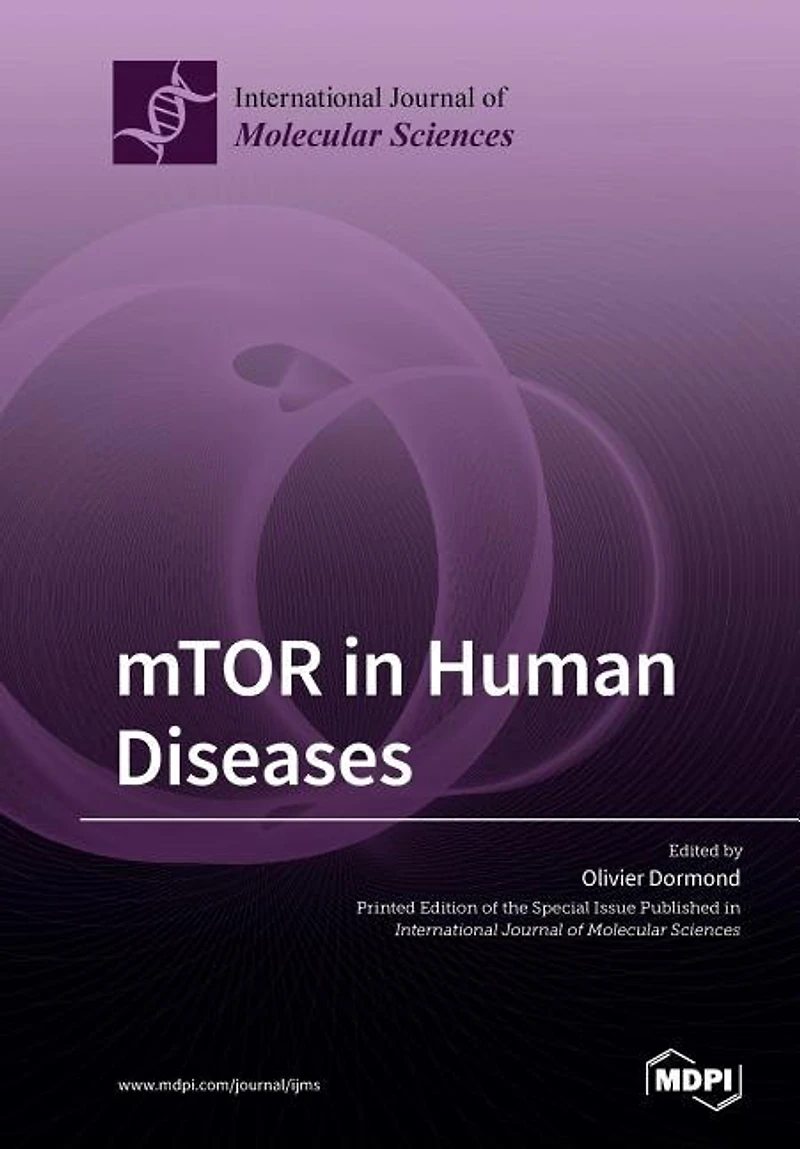
mTOR in Human Diseases
Current price: $140.20

mTOR in Human Diseases
Current price: $140.20
Loading Inventory...
Size: Paperback
*Product information may vary - to confirm product availability, pricing, shipping and return information please contact Indigo
The mechanistic target of rapamycin (mTOR) is a major signaling intermediary that coordinates favorable environmental conditions with cell growth. Indeed, as part of two functionally distinct protein complexes, named mTORC1 and mTORC2, mTOR regulates a variety of cellular processes, including protein, lipid, and nucleotide synthesis, as well as autophagy. Over the last two decades, major molecular advances have been made in mTOR signaling and have revealed the complexity of the events implicated in mTOR function and regulation. In parallel, the role of mTOR in diverse pathological conditions has also been identified, including in cancer, hamartoma, neurological, and metabolic diseases. Through a series of articles, this book focuses on the role played by mTOR in cellular processes, metabolism in particular, and highlights a panel of human diseases for which mTOR inhibition provides or might provide benefits. It also addresses future studies needed to further characterize the role of mTOR in selected disorders, which will help design novel therapeutic approaches. It is therefore intended for everyone who has an interest in mTOR biology and its application in human pathologies.
The mechanistic target of rapamycin (mTOR) is a major signaling intermediary that coordinates favorable environmental conditions with cell growth. Indeed, as part of two functionally distinct protein complexes, named mTORC1 and mTORC2, mTOR regulates a variety of cellular processes, including protein, lipid, and nucleotide synthesis, as well as autophagy. Over the last two decades, major molecular advances have been made in mTOR signaling and have revealed the complexity of the events implicated in mTOR function and regulation. In parallel, the role of mTOR in diverse pathological conditions has also been identified, including in cancer, hamartoma, neurological, and metabolic diseases. Through a series of articles, this book focuses on the role played by mTOR in cellular processes, metabolism in particular, and highlights a panel of human diseases for which mTOR inhibition provides or might provide benefits. It also addresses future studies needed to further characterize the role of mTOR in selected disorders, which will help design novel therapeutic approaches. It is therefore intended for everyone who has an interest in mTOR biology and its application in human pathologies.
You May Also Like











More About Indigo at Erin Mills Town Centre
The largest book retailer in Canada also offers toys, music, home décor, gifts and lifestyle products. What's Inside...Books, Magazines, CD’s and DVD’s, Toys and Gifts, Home Accents, Electronics, Baby’s and Children’s Section, Bath and Body, Kitchen and Bedroom, Stationary Located outside in the exterior plaza.
5015 Glen Erin Dr, Mississauga, ON L5M 0R7, Canada
Find Indigo at Erin Mills Town Centre in Mississauga ON
Visit Indigo at Erin Mills Town Centre in Mississauga ON