

GIVE THE PERFECT GIFT
Erin Mills Town Centre Gift Cards are the perfect choice for your gift giving needs.Purchase gift cards at kiosks near the food court or centre court, at Guest Services, or click below to purchase online.PURCHASE HEREHome
Multi-Screen Behavior: Implications on Media Usage and Advertising Effectiveness
Indigo
Loading Inventory...
Multi-Screen Behavior: Implications on Media Usage and Advertising Effectiveness
Current price: $28.99

Multi-Screen Behavior: Implications on Media Usage and Advertising Effectiveness
Current price: $28.99
Loading Inventory...
Size: Kobo eBook
*Product information may vary - to confirm product availability, pricing, shipping and return information please contact Indigo
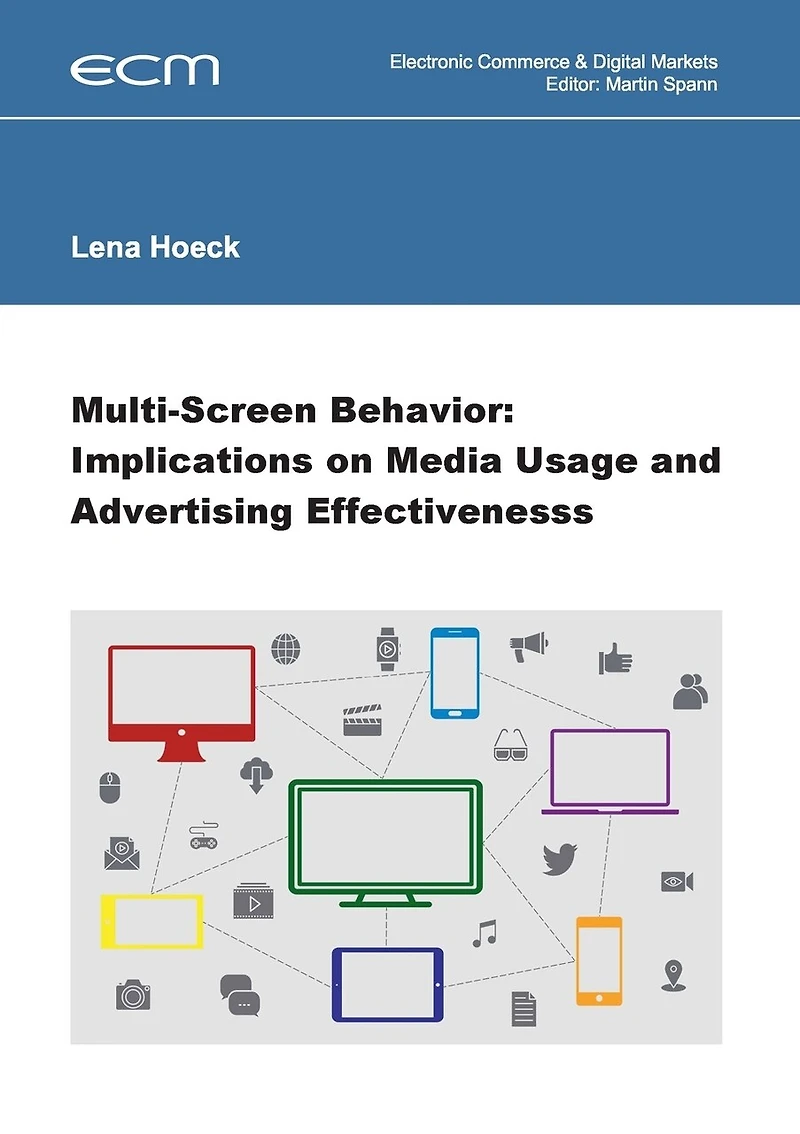
The spread and use of screen-based devices have been steeply increasing with new types of screen-based devices such as tablets, e-readers, and screen-based wearable devices (e.g., Smartchwatches) being introduced to the market. Moreover, traditional screen-based devices such as the television (TV) have been merged with Internet technologies. An industry particularly affected by this increasing use of screen-based devices is the media industry. For instance, consumers frequently use multiple screen-based devices in parallel, switching back and forth between devices. The key objective of this cumulative dissertation is to provide insights into the implications of multi-screen behavior for the media industry. More specifically, we analyze the effect of multi-screen behavior on media usage behavior and on the effectiveness of advertising placed in different media. We conduct empirical analyses to show how consumers' interaction with different screen-based devices influences substantive consumer behavior. The results of this dissertation contribute to previous research by (1) leading to a better understanding of the behavioral outcomes of multi-screen behavior, (2) providing knowledge about the mediation and moderation effects of multi-screen behavior on media usage and advertising effectiveness, and (3) applying novel research methodologies that contribute to the understanding of multi-screen behavior at the individual-level and in a more natural research setting.
The spread and use of screen-based devices have been steeply increasing with new types of screen-based devices such as tablets, e-readers, and screen-based wearable devices (e.g., Smartchwatches) being introduced to the market. Moreover, traditional screen-based devices such as the television (TV) have been merged with Internet technologies. An industry particularly affected by this increasing use of screen-based devices is the media industry. For instance, consumers frequently use multiple screen-based devices in parallel, switching back and forth between devices. The key objective of this cumulative dissertation is to provide insights into the implications of multi-screen behavior for the media industry. More specifically, we analyze the effect of multi-screen behavior on media usage behavior and on the effectiveness of advertising placed in different media. We conduct empirical analyses to show how consumers' interaction with different screen-based devices influences substantive consumer behavior. The results of this dissertation contribute to previous research by (1) leading to a better understanding of the behavioral outcomes of multi-screen behavior, (2) providing knowledge about the mediation and moderation effects of multi-screen behavior on media usage and advertising effectiveness, and (3) applying novel research methodologies that contribute to the understanding of multi-screen behavior at the individual-level and in a more natural research setting.
You May Also Like














More About Indigo at Erin Mills Town Centre
The largest book retailer in Canada also offers toys, music, home décor, gifts and lifestyle products. What's Inside...Books, Magazines, CD’s and DVD’s, Toys and Gifts, Home Accents, Electronics, Baby’s and Children’s Section, Bath and Body, Kitchen and Bedroom, Stationary Located outside in the exterior plaza.
5015 Glen Erin Dr, Mississauga, ON L5M 0R7, Canada
Find Indigo at Erin Mills Town Centre in Mississauga ON
Visit Indigo at Erin Mills Town Centre in Mississauga ON