

GIVE THE PERFECT GIFT
Erin Mills Town Centre Gift Cards are the perfect choice for your gift giving needs.Purchase gift cards at kiosks near the food court or centre court, at Guest Services, or click below to purchase online.PURCHASE HEREHome
Multilingual Israel?: Old Ideologies and New Realities
Indigo
Loading Inventory...
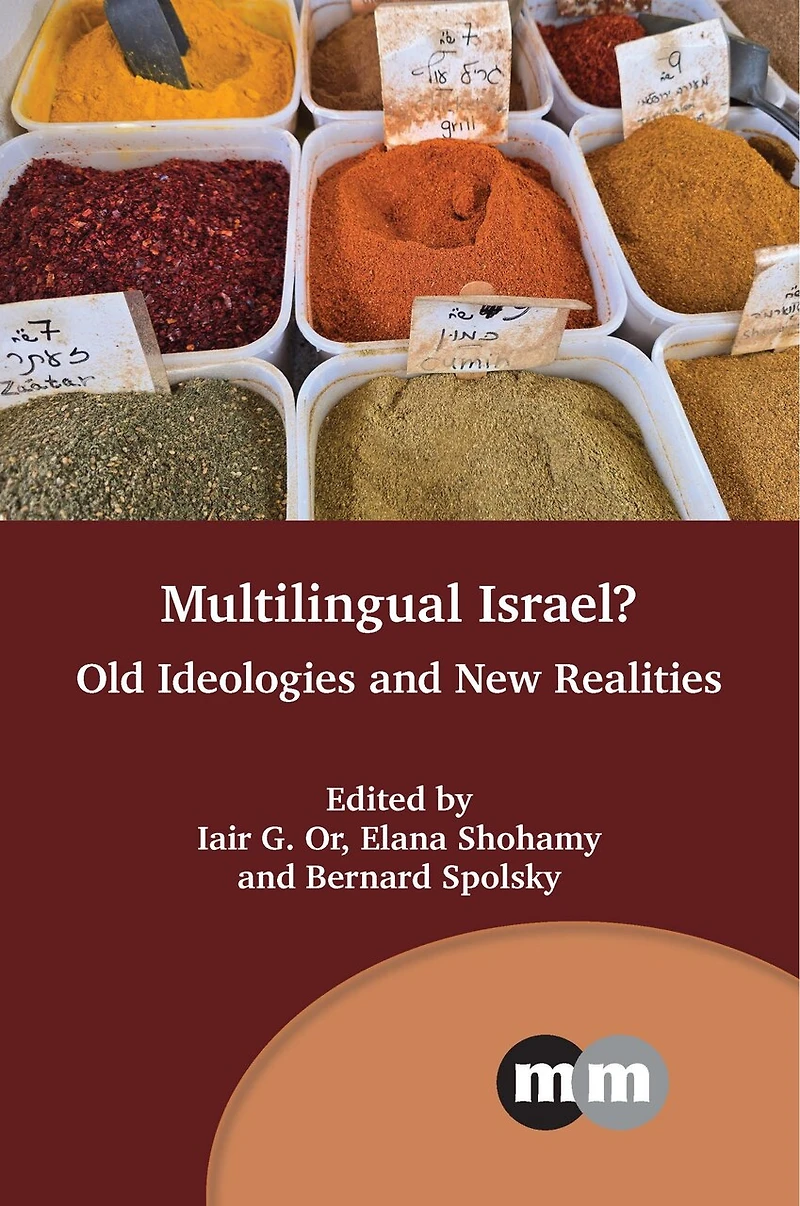
Multilingual Israel?: Old Ideologies and New Realities
Current price: $264.95

Multilingual Israel?: Old Ideologies and New Realities
Current price: $264.95
Loading Inventory...
Size: Hardcover
*Product information may vary - to confirm product availability, pricing, shipping and return information please contact Indigo
Engages directly with the delicate intersections between homogenizing state policies and the extraordinary linguistic diversity on the ground.
This book provides the most comprehensive overview to date of multilingualism in Israel, spanning Hebrew-only ideologies, immigrant and heritage languages, and grassroots community initiatives. The first section ('Ideologies') examines the persistence of monolingual Hebrew language ideologies and state efforts to regulate Yiddish, Arabic and other languages, and how such efforts have been contested in domains such as cinema, theatre, the printed press and digital media.
The second section ('Realities') explores the resilience of community languages, from Amharic and Russian to Chinese, Ladino and local sign languages, and demonstrates how community resilience and linguistic practices often prove stronger than official ideologies or state policy.
By situating multilingual practices within current political tensions, migration debates and language ideologies, the book offers essential insights for scholars, students and those interested in sociolinguistics, language policy and the complexities of Israeli society.
Engages directly with the delicate intersections between homogenizing state policies and the extraordinary linguistic diversity on the ground.
This book provides the most comprehensive overview to date of multilingualism in Israel, spanning Hebrew-only ideologies, immigrant and heritage languages, and grassroots community initiatives. The first section ('Ideologies') examines the persistence of monolingual Hebrew language ideologies and state efforts to regulate Yiddish, Arabic and other languages, and how such efforts have been contested in domains such as cinema, theatre, the printed press and digital media.
The second section ('Realities') explores the resilience of community languages, from Amharic and Russian to Chinese, Ladino and local sign languages, and demonstrates how community resilience and linguistic practices often prove stronger than official ideologies or state policy.
By situating multilingual practices within current political tensions, migration debates and language ideologies, the book offers essential insights for scholars, students and those interested in sociolinguistics, language policy and the complexities of Israeli society.
You May Also Like








More About Indigo at Erin Mills Town Centre
The largest book retailer in Canada also offers toys, music, home décor, gifts and lifestyle products. What's Inside...Books, Magazines, CD’s and DVD’s, Toys and Gifts, Home Accents, Electronics, Baby’s and Children’s Section, Bath and Body, Kitchen and Bedroom, Stationary Located outside in the exterior plaza.
5015 Glen Erin Dr, Mississauga, ON L5M 0R7, Canada
Find Indigo at Erin Mills Town Centre in Mississauga ON
Visit Indigo at Erin Mills Town Centre in Mississauga ON