

GIVE THE PERFECT GIFT
Erin Mills Town Centre Gift Cards are the perfect choice for your gift giving needs.Purchase gift cards at kiosks near the food court or centre court, at Guest Services, or click below to purchase online.PURCHASE HEREHome
Museums of World Religions: Displaying the Divine
Indigo
Loading Inventory...
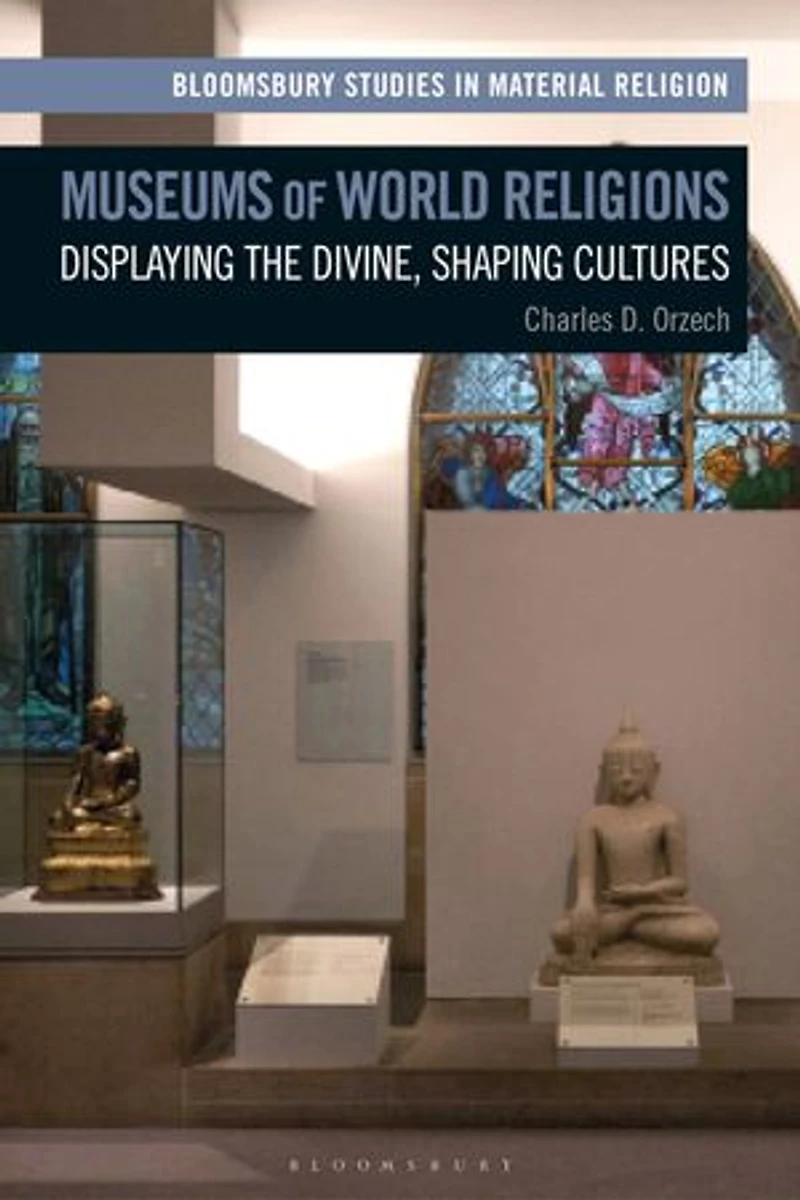
Museums of World Religions: Displaying the Divine
Current price: $45.39
Original price: $56.65

Museums of World Religions: Displaying the Divine
Current price: $45.39
Original price: $56.65
Loading Inventory...
Size: Kobo eBook
*Product information may vary - to confirm product availability, pricing, shipping and return information please contact Indigo
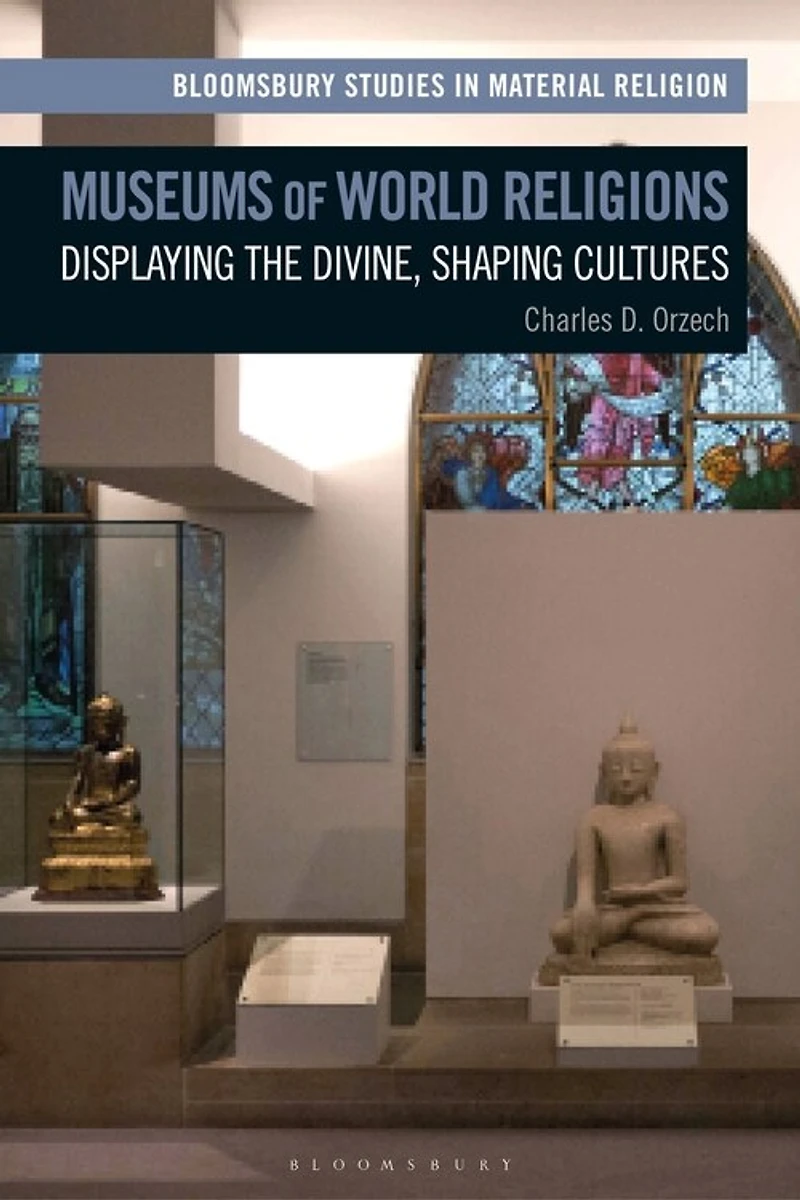
Critically examining the notion of 'world religions', Charles D. Orzech compares five purpose-built museums of world religions and their online extensions. Inspired by the 19th and 20th century discipline of comparative religion, these museums seek to promote religious tolerance by representing religious diversity and by arguing for underlying kinship among religions. From locations in Europe (Marburg, Glasgow and St Petersburg), to North America (Quebec) to Asia (Taipei), each museum advances a particular cultural history. This book shows how the curation of the objects they contain shapes public perceptions of religion, giving material form to the discourses about religion and world religions. Raising important questions about religion and secularity, museum displays and religious piety, Museums of World Religions questions the ideology that informs these museums. Building on recent anthropological work on the agency of religious objects, the author critiques these museums and suggests new approaches to displaying the matter of religion.
Critically examining the notion of 'world religions', Charles D. Orzech compares five purpose-built museums of world religions and their online extensions. Inspired by the 19th and 20th century discipline of comparative religion, these museums seek to promote religious tolerance by representing religious diversity and by arguing for underlying kinship among religions. From locations in Europe (Marburg, Glasgow and St Petersburg), to North America (Quebec) to Asia (Taipei), each museum advances a particular cultural history. This book shows how the curation of the objects they contain shapes public perceptions of religion, giving material form to the discourses about religion and world religions. Raising important questions about religion and secularity, museum displays and religious piety, Museums of World Religions questions the ideology that informs these museums. Building on recent anthropological work on the agency of religious objects, the author critiques these museums and suggests new approaches to displaying the matter of religion.
You May Also Like







More About Indigo at Erin Mills Town Centre
The largest book retailer in Canada also offers toys, music, home décor, gifts and lifestyle products. What's Inside...Books, Magazines, CD’s and DVD’s, Toys and Gifts, Home Accents, Electronics, Baby’s and Children’s Section, Bath and Body, Kitchen and Bedroom, Stationary Located outside in the exterior plaza.
5015 Glen Erin Dr, Mississauga, ON L5M 0R7, Canada
Find Indigo at Erin Mills Town Centre in Mississauga ON
Visit Indigo at Erin Mills Town Centre in Mississauga ON