

GIVE THE PERFECT GIFT
Erin Mills Town Centre Gift Cards are the perfect choice for your gift giving needs.Purchase gift cards at kiosks near the food court or centre court, at Guest Services, or click below to purchase online.PURCHASE HEREHome
Music, Science, Philosophy: Models The Universe Of Thought
Indigo
Loading Inventory...
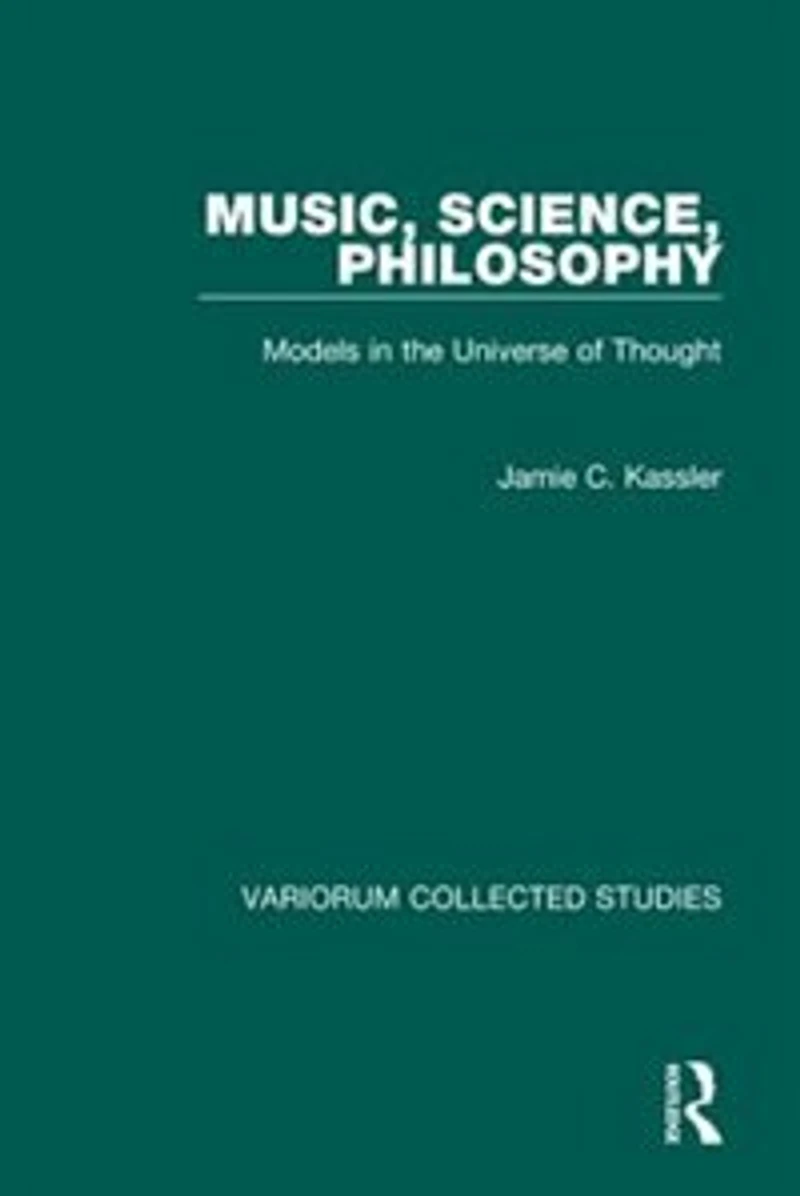
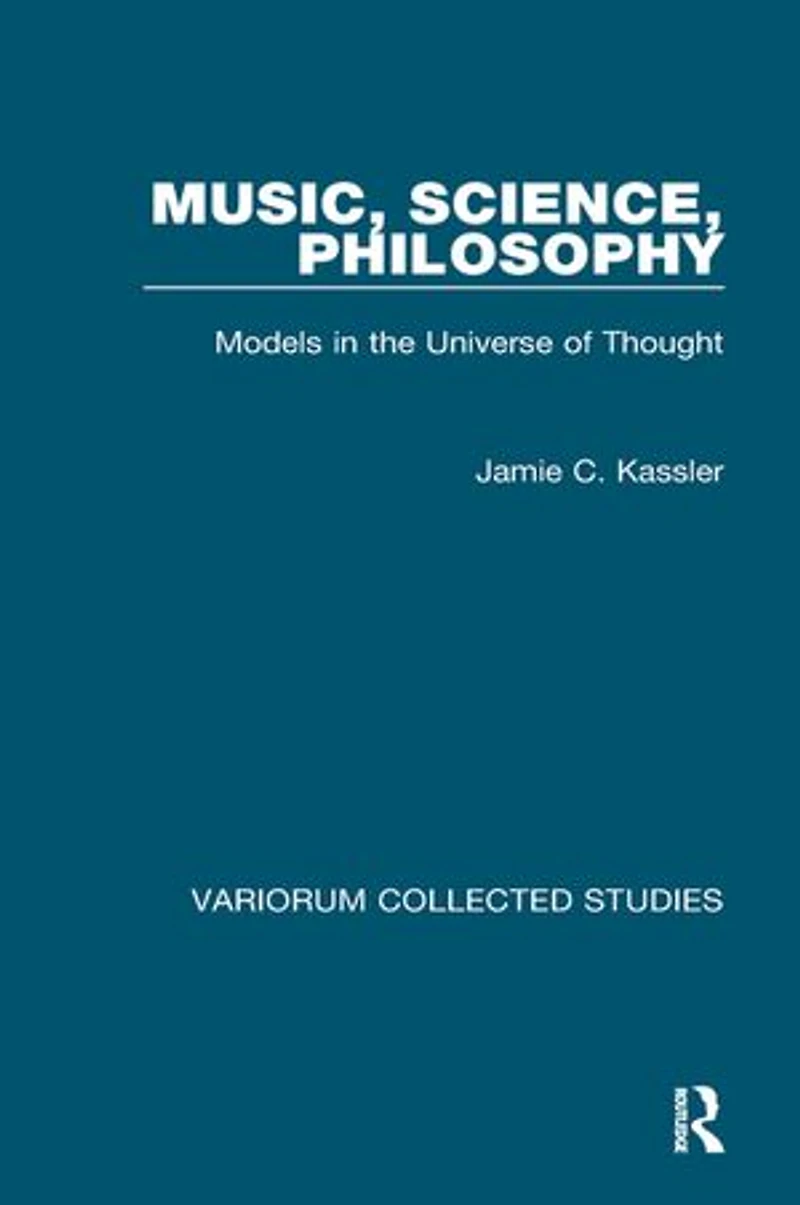
Music, Science, Philosophy: Models The Universe Of Thought
Current price: $231.00

Music, Science, Philosophy: Models The Universe Of Thought
Current price: $231.00
Loading Inventory...
Size: Hardcover
*Product information may vary - to confirm product availability, pricing, shipping and return information please contact Indigo
This book stresses the interrelatedness of knowledge by extricating models that cut across traditional disciplinary boundaries. For example, science can find models from the technology and semantic field of music, music can find its models from the technology and semantic field of science, and each domain may be guided by a philosophical or metaphysical principle - thus, the title of the book. But the book itself is structured as a mirror image of its title. Chapters 1-6 provide instances of the role of music in such domains as epistemology and logic, as well as in the early modern sciences of developmental biology, continuum mechanics, anatomy and physiological psychology, whereas Chapters 7-10 provide instances of what some other domains of knowledge have given back to the philosophy and theory of music.
This book stresses the interrelatedness of knowledge by extricating models that cut across traditional disciplinary boundaries. For example, science can find models from the technology and semantic field of music, music can find its models from the technology and semantic field of science, and each domain may be guided by a philosophical or metaphysical principle - thus, the title of the book. But the book itself is structured as a mirror image of its title. Chapters 1-6 provide instances of the role of music in such domains as epistemology and logic, as well as in the early modern sciences of developmental biology, continuum mechanics, anatomy and physiological psychology, whereas Chapters 7-10 provide instances of what some other domains of knowledge have given back to the philosophy and theory of music.
You May Also Like











More About Indigo at Erin Mills Town Centre
The largest book retailer in Canada also offers toys, music, home décor, gifts and lifestyle products. What's Inside...Books, Magazines, CD’s and DVD’s, Toys and Gifts, Home Accents, Electronics, Baby’s and Children’s Section, Bath and Body, Kitchen and Bedroom, Stationary Located outside in the exterior plaza.
5015 Glen Erin Dr, Mississauga, ON L5M 0R7, Canada
Find Indigo at Erin Mills Town Centre in Mississauga ON
Visit Indigo at Erin Mills Town Centre in Mississauga ON