

GIVE THE PERFECT GIFT
Erin Mills Town Centre Gift Cards are the perfect choice for your gift giving needs.Purchase gift cards at kiosks near the food court or centre court, at Guest Services, or click below to purchase online.PURCHASE HEREHome
Musical Excellence: Strategies and Techniques to Enhance Performance
Indigo
Loading Inventory...
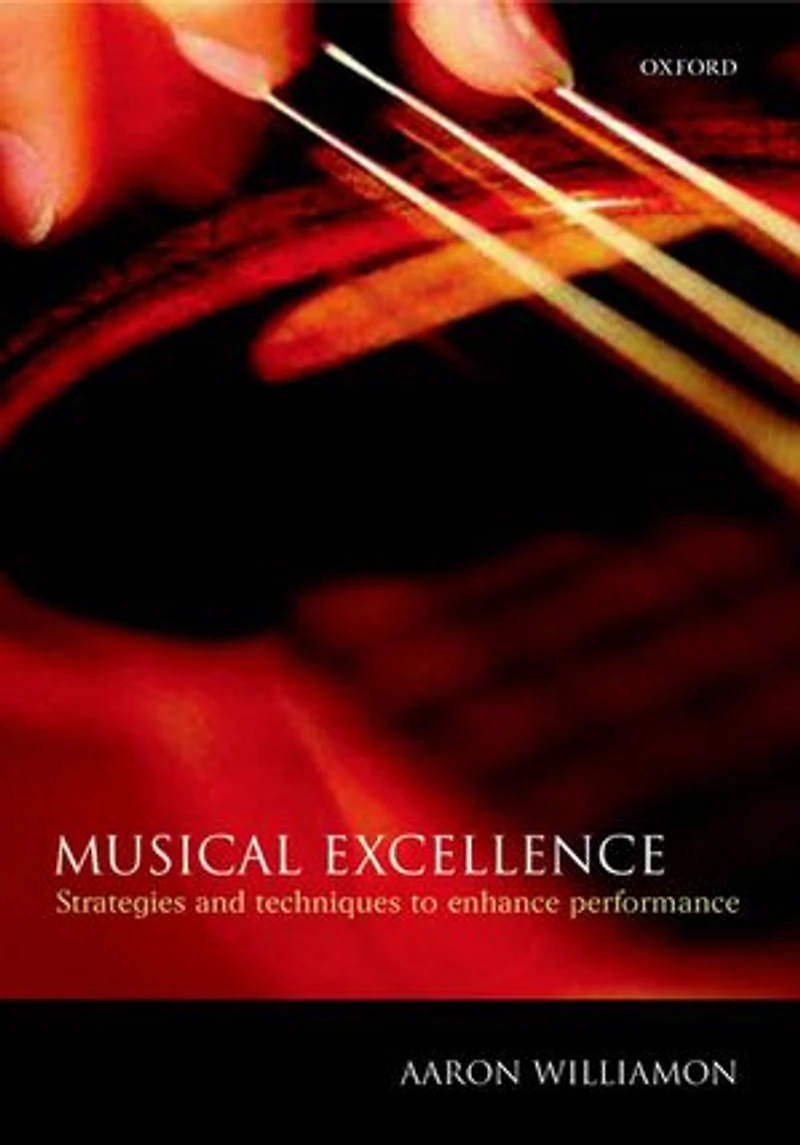
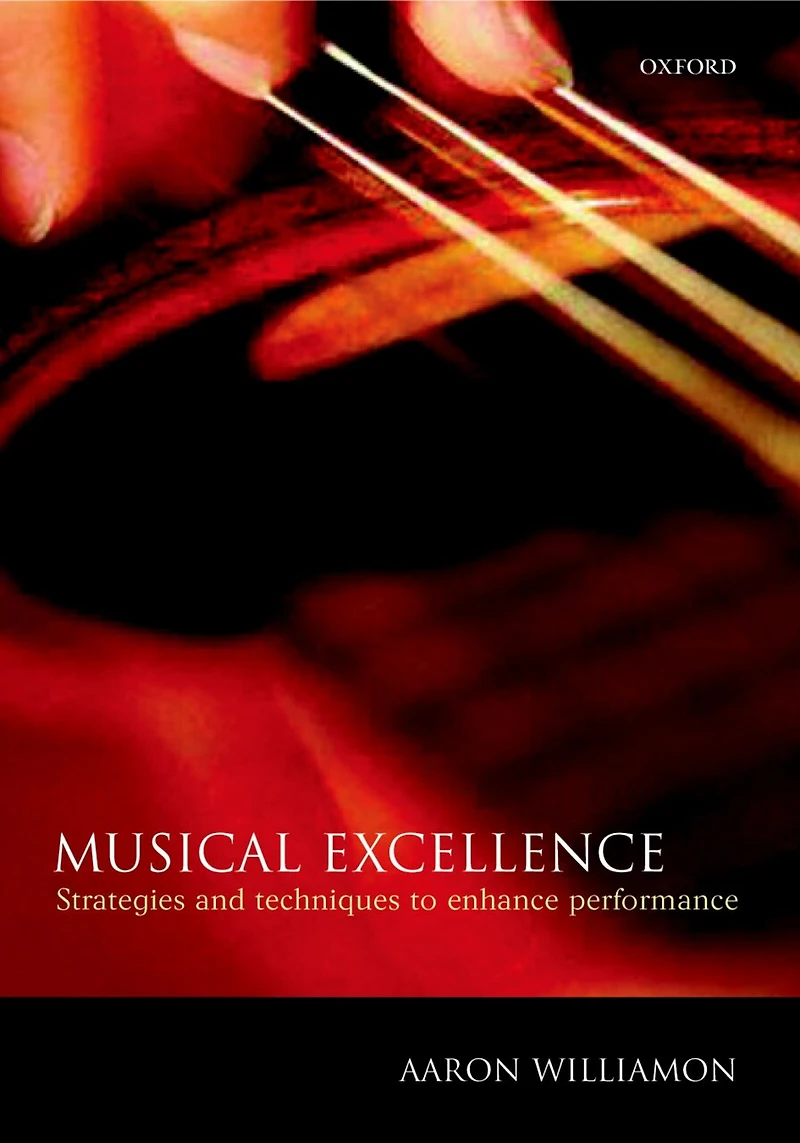
Musical Excellence: Strategies and Techniques to Enhance Performance
Current price: $63.99
Original price: $79.99

Musical Excellence: Strategies and Techniques to Enhance Performance
Current price: $63.99
Original price: $79.99
Loading Inventory...
Size: Kobo eBook
*Product information may vary - to confirm product availability, pricing, shipping and return information please contact Indigo
Musical Excellence offers performers, teachers, and researchers, new perspectives and practical guidance for enhancing performance and managing the stress that typically accompanies performance situations. It draws together, for the first time in a single collection, the findings of pioneering
initiatives from across the arts and sciences. Specific recommendations are provided alongside comprehensive reviews of existing theory and research, enabling the practitioner to place the strategies and techniques within the broader context of human performance and encouraging novel ways of
conceptualizing music making and teaching.
Part I, Prospects and Limits, sets out ground rules for achieving musical excellence. What roles do innate talent, environmental influences, and sheer hard work play in attaining eminence? How can musicians best manage the physical demands of a profession that is intrinsically arduous, throughout a
career that can literally span a lifetime? How can performers, teachers, and researchers effectively assess and reflect on performance enhancement for themselves, their colleagues, and their students?
Part II, Practice Strategies, presents approaches for increasing the effectiveness and efficiency of practice. These are examined generally for the individual and ensembles and specifically for the tasks of memorizing, sight-reading, and improvising music. Musicians spend vast amounts of time and
energy acquiring and refining their skills, but are there particular rehearsal strategies that they can employ to produce better performance results or to achieve the same results more quickly? What implication does existing knowledge of human information processing and physical functioning have for
musical learning and practice?
Part III, Techniques and Interventions, introduces scientifically validated methods for enhancing musical achievement, ordered from the more physical to the psychological to the pharmacological; however, they all address issues of both mental and physical significance for the musician.
Collectively, they stand as clear evidence that applied, cross-disciplinary research can facilitate musicians'' strive for performance excellence.
Throughout, the book highlights ways for musicians to make the most of their existing practice, training, and experience and gives them additional tools for acquiring and developing new skills. Each chapter is underpinned by physical and psychological principles relevant to all performance
traditions that demand dedication and resilience, unique artistic vision, and effective communication.
Musical Excellence offers performers, teachers, and researchers, new perspectives and practical guidance for enhancing performance and managing the stress that typically accompanies performance situations. It draws together, for the first time in a single collection, the findings of pioneering
initiatives from across the arts and sciences. Specific recommendations are provided alongside comprehensive reviews of existing theory and research, enabling the practitioner to place the strategies and techniques within the broader context of human performance and encouraging novel ways of
conceptualizing music making and teaching.
Part I, Prospects and Limits, sets out ground rules for achieving musical excellence. What roles do innate talent, environmental influences, and sheer hard work play in attaining eminence? How can musicians best manage the physical demands of a profession that is intrinsically arduous, throughout a
career that can literally span a lifetime? How can performers, teachers, and researchers effectively assess and reflect on performance enhancement for themselves, their colleagues, and their students?
Part II, Practice Strategies, presents approaches for increasing the effectiveness and efficiency of practice. These are examined generally for the individual and ensembles and specifically for the tasks of memorizing, sight-reading, and improvising music. Musicians spend vast amounts of time and
energy acquiring and refining their skills, but are there particular rehearsal strategies that they can employ to produce better performance results or to achieve the same results more quickly? What implication does existing knowledge of human information processing and physical functioning have for
musical learning and practice?
Part III, Techniques and Interventions, introduces scientifically validated methods for enhancing musical achievement, ordered from the more physical to the psychological to the pharmacological; however, they all address issues of both mental and physical significance for the musician.
Collectively, they stand as clear evidence that applied, cross-disciplinary research can facilitate musicians'' strive for performance excellence.
Throughout, the book highlights ways for musicians to make the most of their existing practice, training, and experience and gives them additional tools for acquiring and developing new skills. Each chapter is underpinned by physical and psychological principles relevant to all performance
traditions that demand dedication and resilience, unique artistic vision, and effective communication.
You May Also Like











More About Indigo at Erin Mills Town Centre
The largest book retailer in Canada also offers toys, music, home décor, gifts and lifestyle products. What's Inside...Books, Magazines, CD’s and DVD’s, Toys and Gifts, Home Accents, Electronics, Baby’s and Children’s Section, Bath and Body, Kitchen and Bedroom, Stationary Located outside in the exterior plaza.
5015 Glen Erin Dr, Mississauga, ON L5M 0R7, Canada
Find Indigo at Erin Mills Town Centre in Mississauga ON
Visit Indigo at Erin Mills Town Centre in Mississauga ON