

GIVE THE PERFECT GIFT
Erin Mills Town Centre Gift Cards are the perfect choice for your gift giving needs.Purchase gift cards at kiosks near the food court or centre court, at Guest Services, or click below to purchase online.PURCHASE HEREHome
Nano-Ecosystems: Engineering Nature at the Nanoscale
Indigo
Loading Inventory...

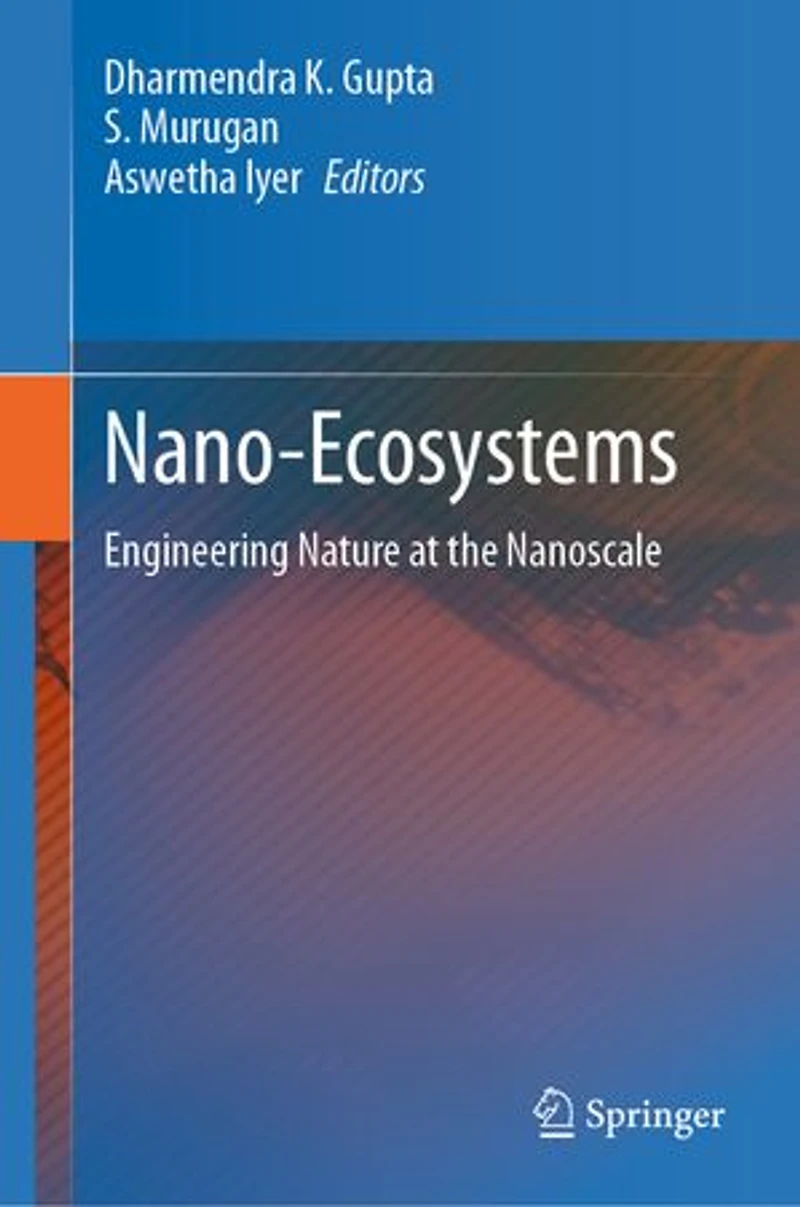
Nano-Ecosystems: Engineering Nature at the Nanoscale
Current price: $321.50

Nano-Ecosystems: Engineering Nature at the Nanoscale
Current price: $321.50
Loading Inventory...
Size: Hardcover
*Product information may vary - to confirm product availability, pricing, shipping and return information please contact Indigo
The book introduces the concept of using nanotechnology to support and restore natural ecosystems. It explains how tiny materials and devices can be designed to work like parts of nature, helping to solve problems related to energy, pollution, soil health, and climate change. The book begins by defining what nano-ecosystems are and the principles behind engineering them. It then discusses the practical applications, such as using nanomaterials for energy harvesting and storage, creating bio-inspired structures, and developing nanosensors for environmental monitoring. Other chapters explore how nanotechnology can help in improving soil quality, capture carbon emissions, manage waste, and support biodiversity. The later sections look at the use of artificial intelligence in managing these systems, modelling them at different scales, and considering the ethical and social aspects of their use. The book ends with a discussion on the challenges and future directions of this field. This book is a useful resource for students, researchers, and professionals in life sciences, environmental science, nanotechnology, and sustainability.
The book introduces the concept of using nanotechnology to support and restore natural ecosystems. It explains how tiny materials and devices can be designed to work like parts of nature, helping to solve problems related to energy, pollution, soil health, and climate change. The book begins by defining what nano-ecosystems are and the principles behind engineering them. It then discusses the practical applications, such as using nanomaterials for energy harvesting and storage, creating bio-inspired structures, and developing nanosensors for environmental monitoring. Other chapters explore how nanotechnology can help in improving soil quality, capture carbon emissions, manage waste, and support biodiversity. The later sections look at the use of artificial intelligence in managing these systems, modelling them at different scales, and considering the ethical and social aspects of their use. The book ends with a discussion on the challenges and future directions of this field. This book is a useful resource for students, researchers, and professionals in life sciences, environmental science, nanotechnology, and sustainability.
You May Also Like








More About Indigo at Erin Mills Town Centre
The largest book retailer in Canada also offers toys, music, home décor, gifts and lifestyle products. What's Inside...Books, Magazines, CD’s and DVD’s, Toys and Gifts, Home Accents, Electronics, Baby’s and Children’s Section, Bath and Body, Kitchen and Bedroom, Stationary Located outside in the exterior plaza.
5015 Glen Erin Dr, Mississauga, ON L5M 0R7, Canada
Find Indigo at Erin Mills Town Centre in Mississauga ON
Visit Indigo at Erin Mills Town Centre in Mississauga ON