

GIVE THE PERFECT GIFT
Erin Mills Town Centre Gift Cards are the perfect choice for your gift giving needs.Purchase gift cards at kiosks near the food court or centre court, at Guest Services, or click below to purchase online.PURCHASE HEREHome
Nanocarriers for Brain Targeting: Principles and Applications
Indigo
Loading Inventory...
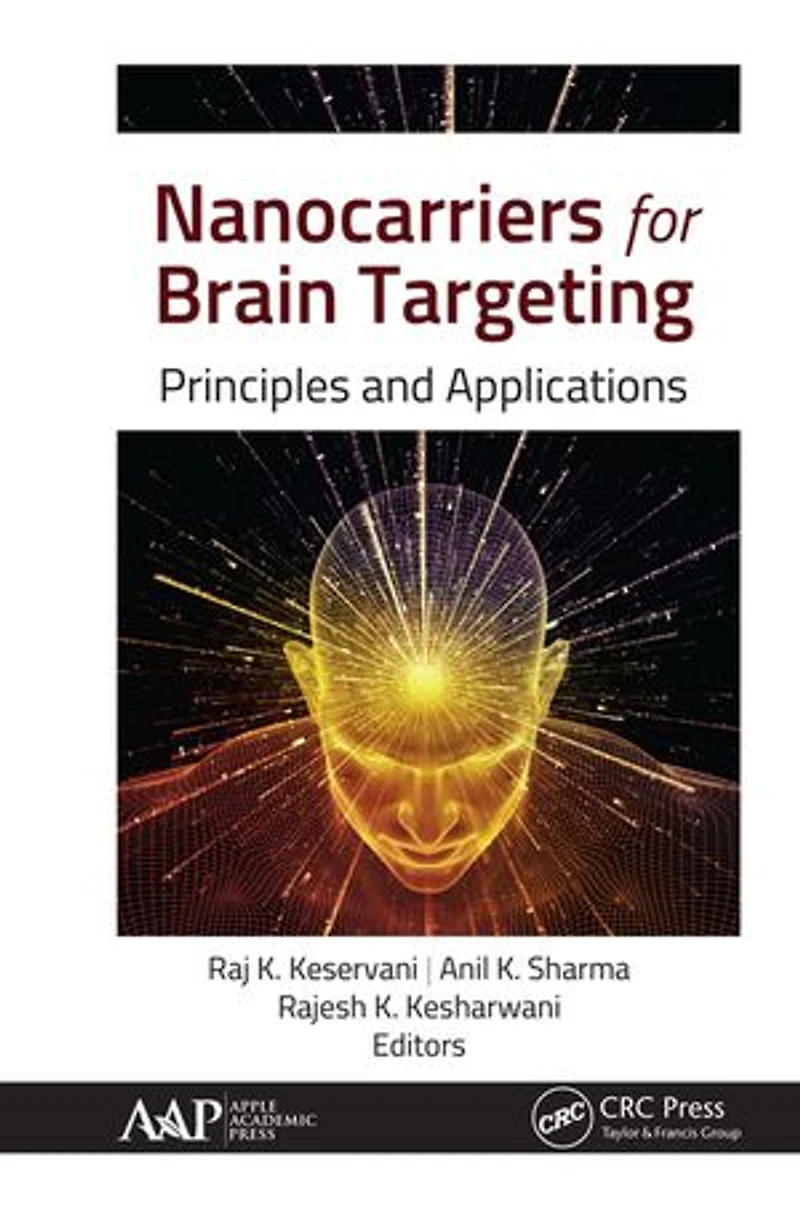
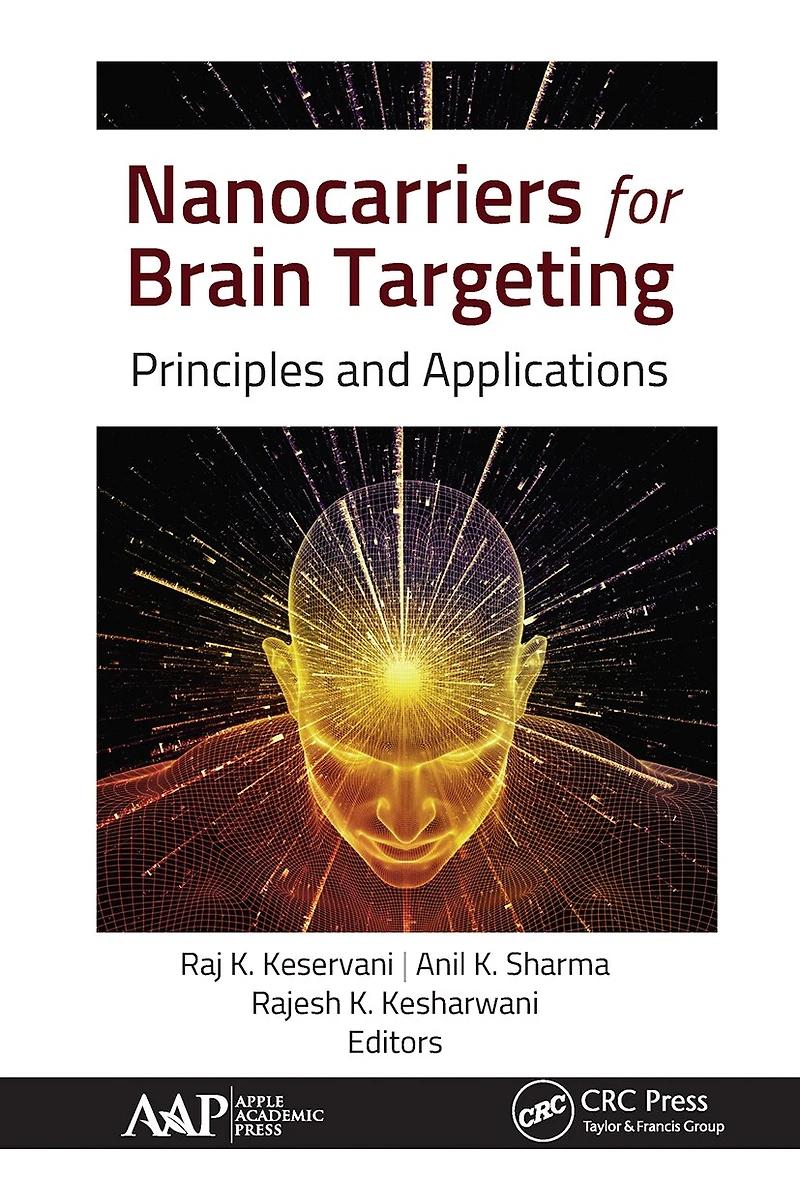
Nanocarriers for Brain Targeting: Principles and Applications
Current price: $244.23

Nanocarriers for Brain Targeting: Principles and Applications
Current price: $244.23
Loading Inventory...
Size: Kobo eBook
*Product information may vary - to confirm product availability, pricing, shipping and return information please contact Indigo
This new volume, Nanocarriers for Brain Targeting: Principles and Applications , covers recent research on brain physiology and the development of drug delivery systems. It explores a diverse variety of strategies that can be employed to achieve drug targeting to the brain. The nanocarriers that are discussed include nanoparticles, vesicular carriers, carriers having carbon as a core constituent, dispersed systems, and more.
The inherent anatomy and physiology of the brain renders it different from other organs. The past few decades have witnessed significant research on brain ailments in response to a majority of hospitalizations that occur due to age-related central nervous system disorders. The prevalence of diverse diseases such as Alzheimer's disease, Parkinson's disease, amyotrophic lateral sclerosis, multiple sclerosis, HIV-dementia, etc., affect about 1.5 billion people globally, which is further anticipated to reach 1.9 billion by the year 2020. Nanocarriers for drug delivery to the brain are seen as one of the answers to this growing problem.
This new volume, Nanocarriers for Brain Targeting: Principles and Applications , covers recent research on brain physiology and the development of drug delivery systems. It explores a diverse variety of strategies that can be employed to achieve drug targeting to the brain. The nanocarriers that are discussed include nanoparticles, vesicular carriers, carriers having carbon as a core constituent, dispersed systems, and more.
The inherent anatomy and physiology of the brain renders it different from other organs. The past few decades have witnessed significant research on brain ailments in response to a majority of hospitalizations that occur due to age-related central nervous system disorders. The prevalence of diverse diseases such as Alzheimer's disease, Parkinson's disease, amyotrophic lateral sclerosis, multiple sclerosis, HIV-dementia, etc., affect about 1.5 billion people globally, which is further anticipated to reach 1.9 billion by the year 2020. Nanocarriers for drug delivery to the brain are seen as one of the answers to this growing problem.
You May Also Like











More About Indigo at Erin Mills Town Centre
The largest book retailer in Canada also offers toys, music, home décor, gifts and lifestyle products. What's Inside...Books, Magazines, CD’s and DVD’s, Toys and Gifts, Home Accents, Electronics, Baby’s and Children’s Section, Bath and Body, Kitchen and Bedroom, Stationary Located outside in the exterior plaza.
5015 Glen Erin Dr, Mississauga, ON L5M 0R7, Canada
Find Indigo at Erin Mills Town Centre in Mississauga ON
Visit Indigo at Erin Mills Town Centre in Mississauga ON