

GIVE THE PERFECT GIFT
Erin Mills Town Centre Gift Cards are the perfect choice for your gift giving needs.Purchase gift cards at kiosks near the food court or centre court, at Guest Services, or click below to purchase online.PURCHASE HEREHome
Nanotechnologies and Nanomaterials Applied to Chemical Sensors Biosensors: Applications the Environment, Medicine Health
Indigo
Loading Inventory...
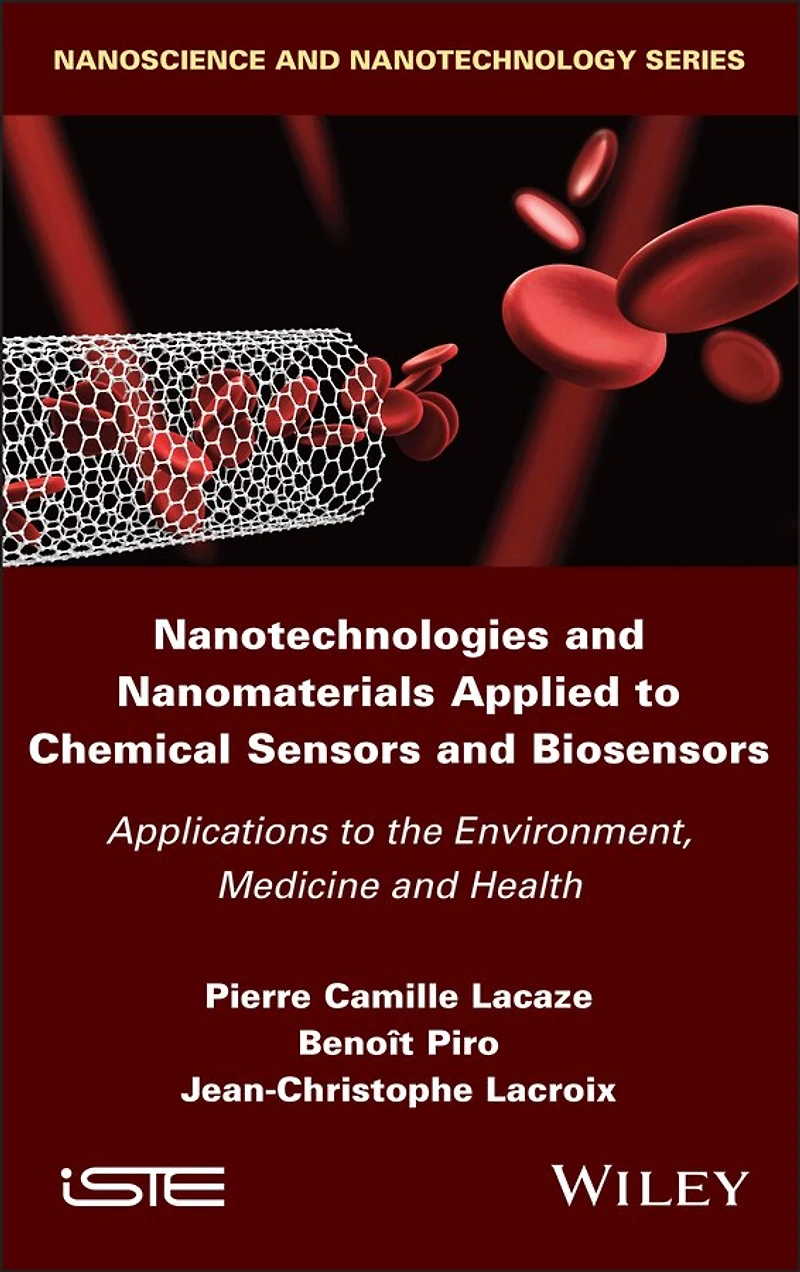
Nanotechnologies and Nanomaterials Applied to Chemical Sensors Biosensors: Applications the Environment, Medicine Health
Current price: $235.00

Nanotechnologies and Nanomaterials Applied to Chemical Sensors Biosensors: Applications the Environment, Medicine Health
Current price: $235.00
Loading Inventory...
Size: Hardcover
*Product information may vary - to confirm product availability, pricing, shipping and return information please contact Indigo
The key social issues of health, medicine, the environment, food and safety cannot be addressed without the support of chemical sensors and biosensors, whose performance is constantly improving in terms of reliability and cost, particularly in the production of autonomous devices connected to the Internet.
Obtaining high-intensity transduction signals arising from the interaction of an analyte and a sensor, enabling the identification and dosage of a given compound, requires the selection of suitable physical measurement methods and the creation of structures that react specifically to different types of analyte.
Nanotechnologies and Nanomaterials Applied to Chemical Sensors and Biosensors details recent advances in the field of sensor design using carbon-based nanomaterials (graphene, carbon nanotubes, carbon quantum dots, etc.) and inorganic nanomaterials (metallic nanoparticles, nanocrystals, transition metal dichalcogenides, etc.), as well as a variety of physical sensing methods (electrochemical, piezoelectric, electromagnetic, optic, optoelectronic, etc.).
The key social issues of health, medicine, the environment, food and safety cannot be addressed without the support of chemical sensors and biosensors, whose performance is constantly improving in terms of reliability and cost, particularly in the production of autonomous devices connected to the Internet.
Obtaining high-intensity transduction signals arising from the interaction of an analyte and a sensor, enabling the identification and dosage of a given compound, requires the selection of suitable physical measurement methods and the creation of structures that react specifically to different types of analyte.
Nanotechnologies and Nanomaterials Applied to Chemical Sensors and Biosensors details recent advances in the field of sensor design using carbon-based nanomaterials (graphene, carbon nanotubes, carbon quantum dots, etc.) and inorganic nanomaterials (metallic nanoparticles, nanocrystals, transition metal dichalcogenides, etc.), as well as a variety of physical sensing methods (electrochemical, piezoelectric, electromagnetic, optic, optoelectronic, etc.).
You May Also Like









More About Indigo at Erin Mills Town Centre
The largest book retailer in Canada also offers toys, music, home décor, gifts and lifestyle products. What's Inside...Books, Magazines, CD’s and DVD’s, Toys and Gifts, Home Accents, Electronics, Baby’s and Children’s Section, Bath and Body, Kitchen and Bedroom, Stationary Located outside in the exterior plaza.
5015 Glen Erin Dr, Mississauga, ON L5M 0R7, Canada
Find Indigo at Erin Mills Town Centre in Mississauga ON
Visit Indigo at Erin Mills Town Centre in Mississauga ON