

GIVE THE PERFECT GIFT
Erin Mills Town Centre Gift Cards are the perfect choice for your gift giving needs.Purchase gift cards at kiosks near the food court or centre court, at Guest Services, or click below to purchase online.PURCHASE HEREHome
Narratives of Sorrow and Dignity: Japanese Women, Pregnancy Loss, Modern Rituals Grieving
Indigo
Loading Inventory...
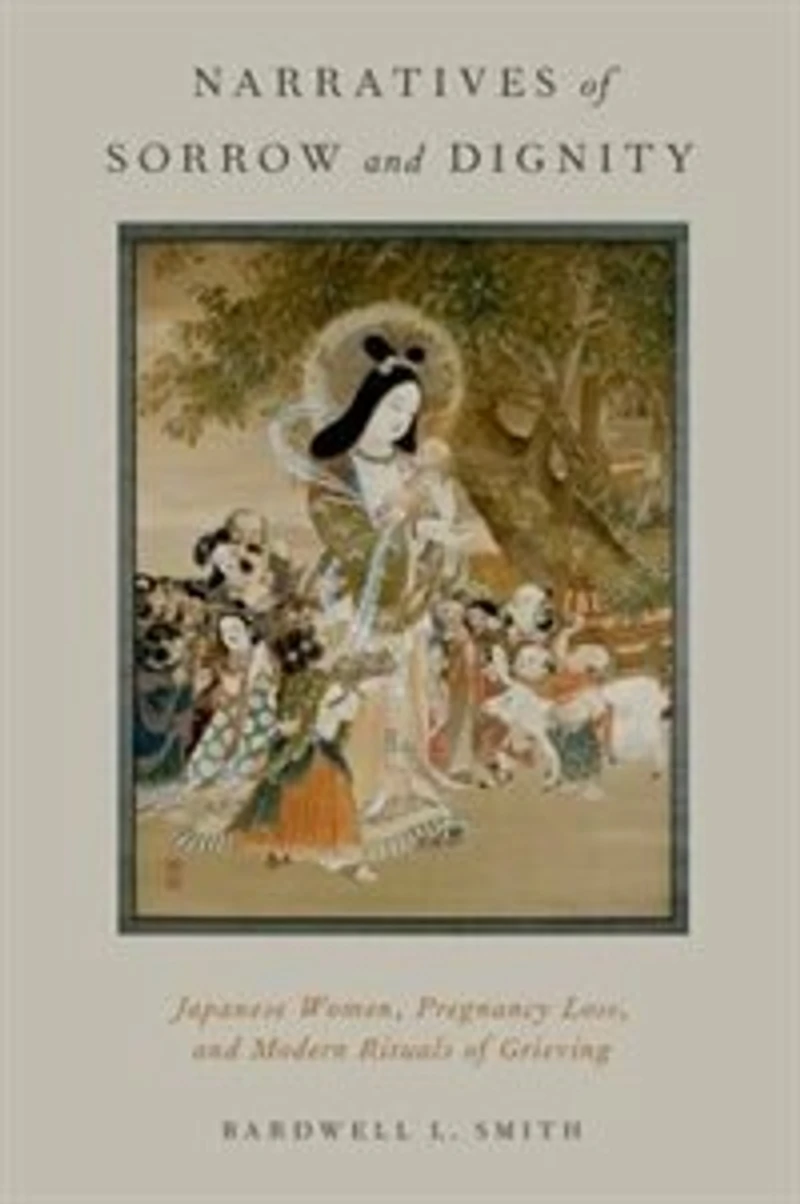
Narratives of Sorrow and Dignity: Japanese Women, Pregnancy Loss, Modern Rituals Grieving
Current price: $192.50

Narratives of Sorrow and Dignity: Japanese Women, Pregnancy Loss, Modern Rituals Grieving
Current price: $192.50
Loading Inventory...
Size: Hardcover
*Product information may vary - to confirm product availability, pricing, shipping and return information please contact Indigo
Bardwell L. Smith offers a fresh perspective on mizuko kuyo, the Japanese ceremony performed to bring solace to those who have experienced miscarriage, stillbirth, or abortion. Showing how old and new forms of myth, symbol, doctrine, praxis, and organization combine and overlap in contemporary mizuko kuyo, Smith provides critical insight from many angles: the sociology of the family, the power of the medical profession, the economics of temples, the import of ancestral connections, the need for healing in both private and communal ways and, perhaps above all, the place of women in modern Japanese religion.
At the heart of Smith's research is the issue of how human beings experience the death of a life that has been and remains precious to them. While universal, these losses are also personal and unique. The role of society in helping people to heal from these experiences varies widely and has changed enormously in recent decades. In examples of grieving for these kinds of losses one finds narratives not only of deep sorrow but of remarkable dignity.
Bardwell L. Smith offers a fresh perspective on mizuko kuyo, the Japanese ceremony performed to bring solace to those who have experienced miscarriage, stillbirth, or abortion. Showing how old and new forms of myth, symbol, doctrine, praxis, and organization combine and overlap in contemporary mizuko kuyo, Smith provides critical insight from many angles: the sociology of the family, the power of the medical profession, the economics of temples, the import of ancestral connections, the need for healing in both private and communal ways and, perhaps above all, the place of women in modern Japanese religion.
At the heart of Smith's research is the issue of how human beings experience the death of a life that has been and remains precious to them. While universal, these losses are also personal and unique. The role of society in helping people to heal from these experiences varies widely and has changed enormously in recent decades. In examples of grieving for these kinds of losses one finds narratives not only of deep sorrow but of remarkable dignity.
You May Also Like











More About Indigo at Erin Mills Town Centre
The largest book retailer in Canada also offers toys, music, home décor, gifts and lifestyle products. What's Inside...Books, Magazines, CD’s and DVD’s, Toys and Gifts, Home Accents, Electronics, Baby’s and Children’s Section, Bath and Body, Kitchen and Bedroom, Stationary Located outside in the exterior plaza.
5015 Glen Erin Dr, Mississauga, ON L5M 0R7, Canada
Find Indigo at Erin Mills Town Centre in Mississauga ON
Visit Indigo at Erin Mills Town Centre in Mississauga ON