

GIVE THE PERFECT GIFT
Erin Mills Town Centre Gift Cards are the perfect choice for your gift giving needs.Purchase gift cards at kiosks near the food court or centre court, at Guest Services, or click below to purchase online.PURCHASE HEREHome
National Strategies for Regional Integration: South and East Asian Case Studies
Indigo
Loading Inventory...
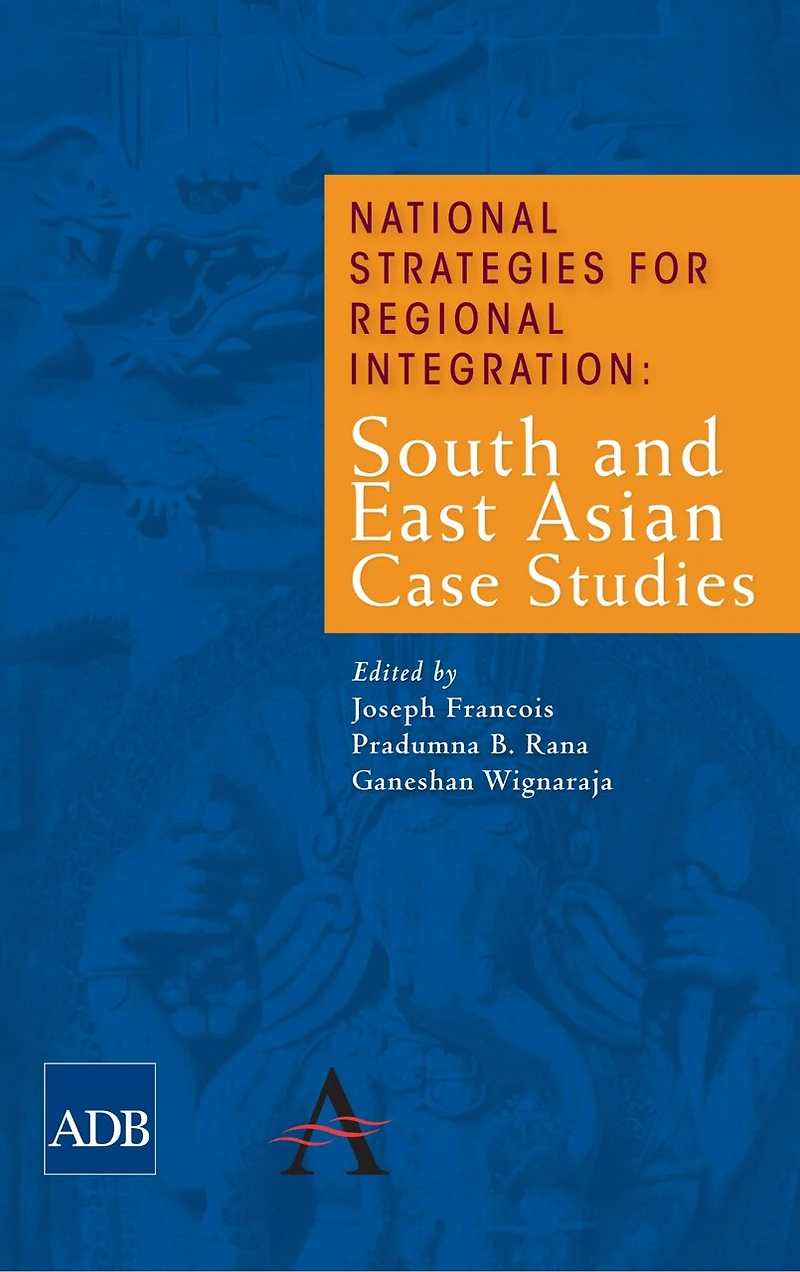
National Strategies for Regional Integration: South and East Asian Case Studies
Current price: $168.99

National Strategies for Regional Integration: South and East Asian Case Studies
Current price: $168.99
Loading Inventory...
Size: Hardcover
*Product information may vary - to confirm product availability, pricing, shipping and return information please contact Indigo
Regional integration is gathering momentum in Asia. This study examines the diverse experience of regional integration of South and East Asian economies during the last two decades and offers lessons for latecomers. The global economic crisis is expected to merely dampen rather than halt the pace of Asian integration. Global recovery will give renewed impetus to Asian integration. East and South Asia include the world’s largest and most dynamic open economies alongside several least developed countries. Using a set of country cases based on a similar framework, the study addresses an important policy question: how can each country’s integration with its neighbors and more distant regional economies be improved? Of the eight country studies, five are from South Asia (India, Pakistan, Bangladesh, Nepal, and Sri Lanka) and three are from East Asia (the People’s Republic of China, Thailand, and Singapore). The country cases—which differ by per capita income, country size and location—provide fascinating insights on the relationship between regional economic performance and strategies for regional integration at the country level.
Regional integration is gathering momentum in Asia. This study examines the diverse experience of regional integration of South and East Asian economies during the last two decades and offers lessons for latecomers. The global economic crisis is expected to merely dampen rather than halt the pace of Asian integration. Global recovery will give renewed impetus to Asian integration. East and South Asia include the world’s largest and most dynamic open economies alongside several least developed countries. Using a set of country cases based on a similar framework, the study addresses an important policy question: how can each country’s integration with its neighbors and more distant regional economies be improved? Of the eight country studies, five are from South Asia (India, Pakistan, Bangladesh, Nepal, and Sri Lanka) and three are from East Asia (the People’s Republic of China, Thailand, and Singapore). The country cases—which differ by per capita income, country size and location—provide fascinating insights on the relationship between regional economic performance and strategies for regional integration at the country level.
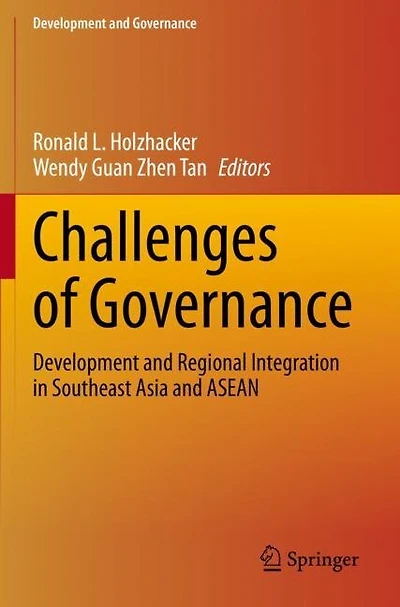
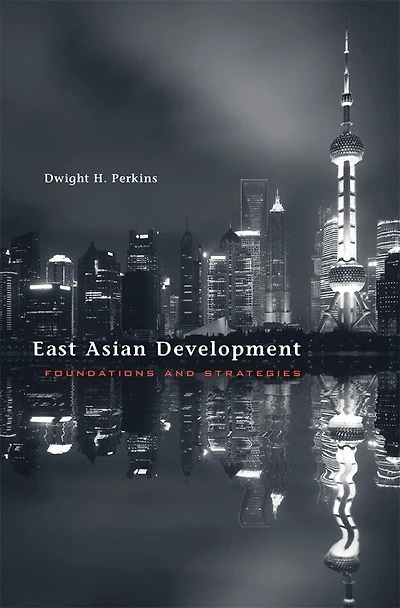
You May Also Like









More About Indigo at Erin Mills Town Centre
The largest book retailer in Canada also offers toys, music, home décor, gifts and lifestyle products. What's Inside...Books, Magazines, CD’s and DVD’s, Toys and Gifts, Home Accents, Electronics, Baby’s and Children’s Section, Bath and Body, Kitchen and Bedroom, Stationary Located outside in the exterior plaza.
5015 Glen Erin Dr, Mississauga, ON L5M 0R7, Canada
Find Indigo at Erin Mills Town Centre in Mississauga ON
Visit Indigo at Erin Mills Town Centre in Mississauga ON