

GIVE THE PERFECT GIFT
Erin Mills Town Centre Gift Cards are the perfect choice for your gift giving needs.Purchase gift cards at kiosks near the food court or centre court, at Guest Services, or click below to purchase online.PURCHASE HEREHome
Nationality Law in the Western Hemisphere: A Study on Grounds for Acquisition and Loss of Citizenship in the Americas and the Caribbean
Indigo
Loading Inventory...
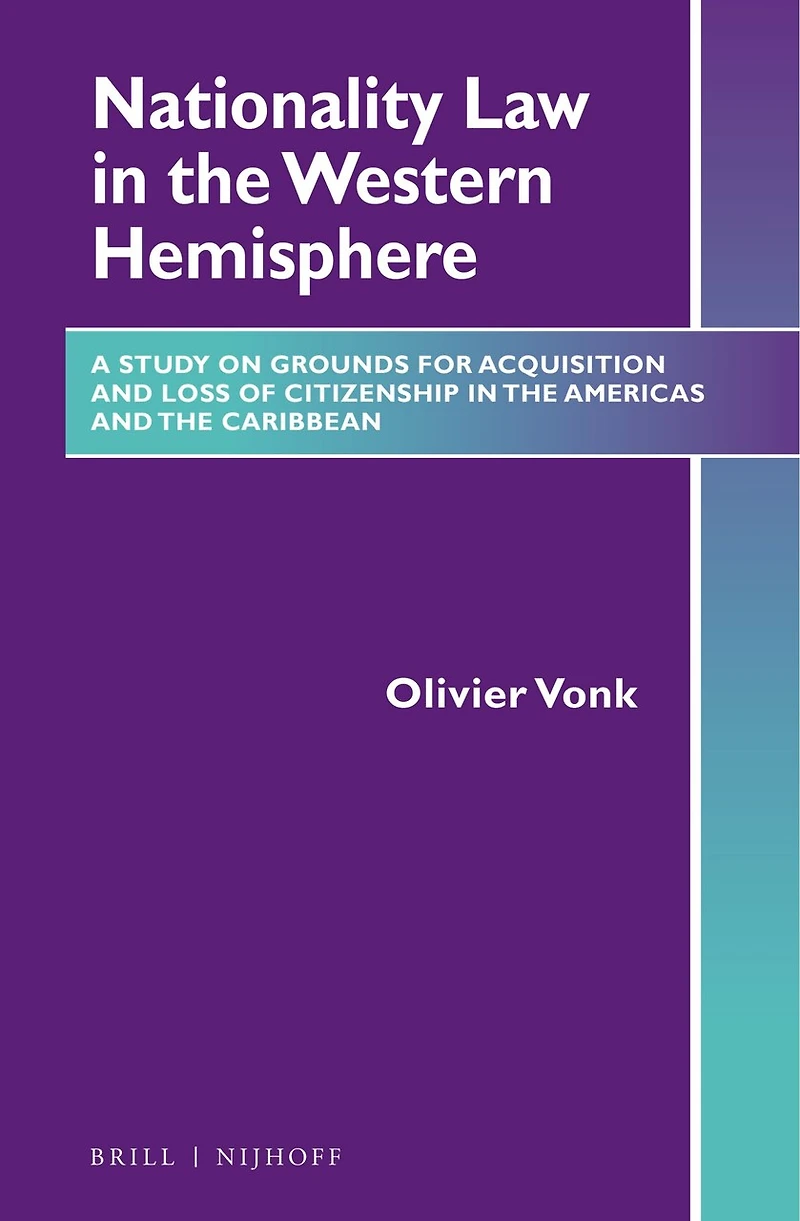
Nationality Law in the Western Hemisphere: A Study on Grounds for Acquisition and Loss of Citizenship in the Americas and the Caribbean
Current price: $289.99

Nationality Law in the Western Hemisphere: A Study on Grounds for Acquisition and Loss of Citizenship in the Americas and the Caribbean
Current price: $289.99
Loading Inventory...
Size: Hardcover
*Product information may vary - to confirm product availability, pricing, shipping and return information please contact Indigo
In Nationality Law in the Western Hemisphere , Olivier Vonk provides the first comprehensive overview in English of the grounds for acquisition and loss of citizenship in the thirty-five independent countries in the Americas and the Caribbean. Employing a typology developed by the European Union Democracy Observatory on Citizenship, he convincingly shows that different nationality laws can be compared by using a systematic analytical grid. The individual country chapters additionally pay due regard to issues such as dual citizenship and statelessness, and include thorough historical observations as well as extensive bibliographical references for each state. Nationality Law in the Western Hemisphere allows academics, practitioners, governments and international organizations to assess nationality legislation beyond a purely national context.
In Nationality Law in the Western Hemisphere , Olivier Vonk provides the first comprehensive overview in English of the grounds for acquisition and loss of citizenship in the thirty-five independent countries in the Americas and the Caribbean. Employing a typology developed by the European Union Democracy Observatory on Citizenship, he convincingly shows that different nationality laws can be compared by using a systematic analytical grid. The individual country chapters additionally pay due regard to issues such as dual citizenship and statelessness, and include thorough historical observations as well as extensive bibliographical references for each state. Nationality Law in the Western Hemisphere allows academics, practitioners, governments and international organizations to assess nationality legislation beyond a purely national context.
You May Also Like








More About Indigo at Erin Mills Town Centre
The largest book retailer in Canada also offers toys, music, home décor, gifts and lifestyle products. What's Inside...Books, Magazines, CD’s and DVD’s, Toys and Gifts, Home Accents, Electronics, Baby’s and Children’s Section, Bath and Body, Kitchen and Bedroom, Stationary Located outside in the exterior plaza.
5015 Glen Erin Dr, Mississauga, ON L5M 0R7, Canada
Find Indigo at Erin Mills Town Centre in Mississauga ON
Visit Indigo at Erin Mills Town Centre in Mississauga ON